
When Earth faces a catastrophic event, initial signs might appear as subtle phenomena—a sudden flash in the sky, an unusual pulse detected by space-weather instruments, or an unexpected flare from a distant star. The real threat comes not from the spectacle itself but from what follows: darkened skies filled with dust, disrupted ecosystems, and extreme temperature fluctuations that transform the planet’s surface into a hostile environment.
Commonly, people imagine resilient urban pests like cockroaches and rats as the ultimate survivors. However, a team of scientists approached the question differently, considering the fundamental physical conditions necessary to extinguish even the most persistent forms of animal life—not just humanity or civilizations.
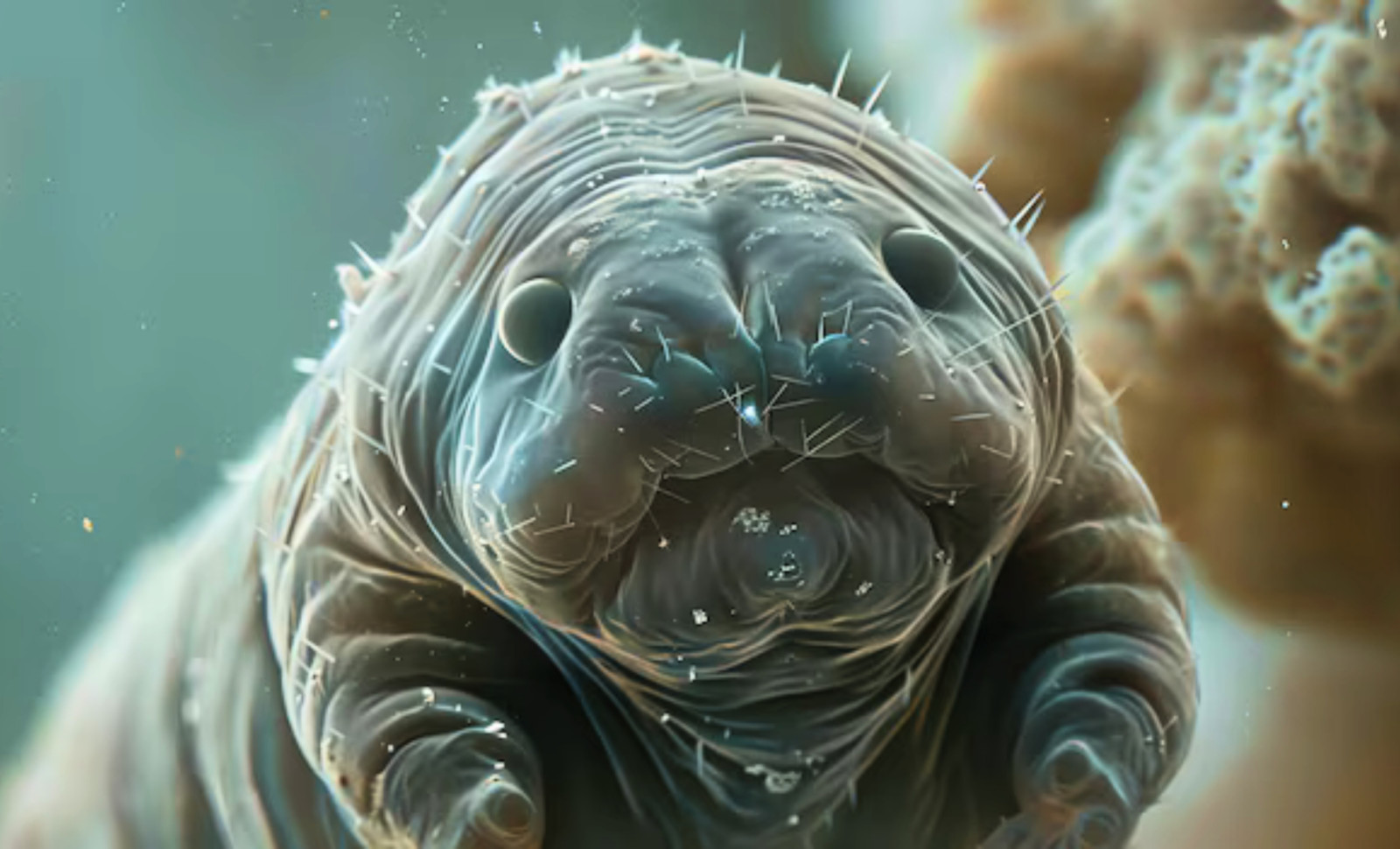
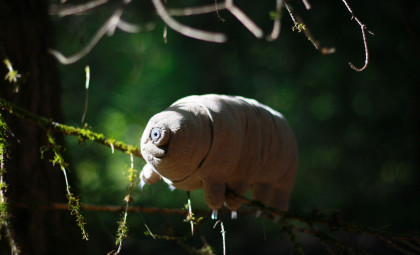
Their investigation focused not on dramatic extinction events, such as the asteroid strike that wiped out dinosaurs, but on the energy required to sterilize a planet completely. To define the biological lower limit of survival, they turned to the tardigrade: a nearly indestructible microscopic organism renowned for pushing the boundaries of life’s endurance.

Shifting focus: From human vulnerability to life's extremities
Leading the research were Dr. David Sloan and Dr. Rafael Alves Batista from the University of Oxford. Their paper, featured in Scientific Reports, removed human-centered assumptions to identify a planetary "survivability baseline" for all complex life forms.
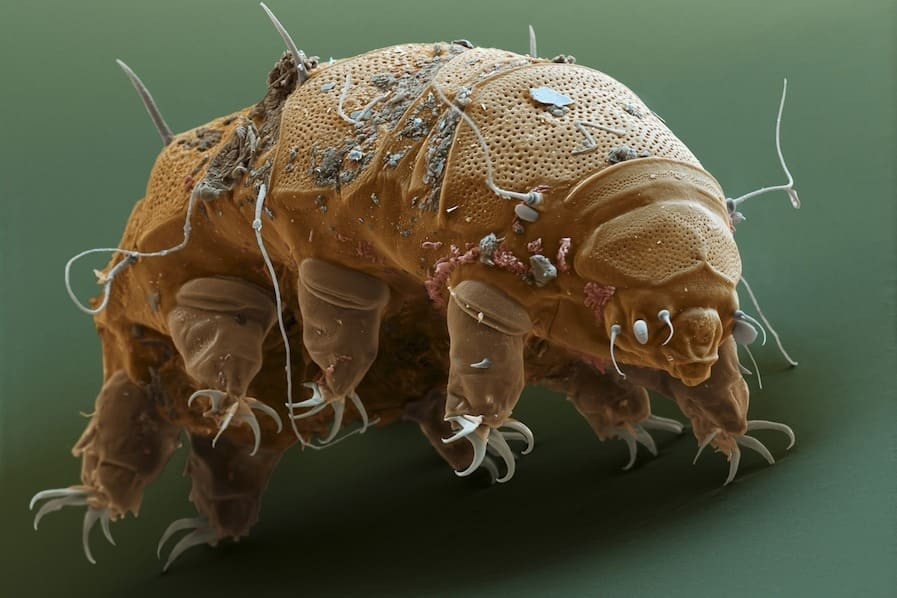
Tardigrades—tiny, eight-legged creatures also known as water bears—can reach sizes of approximately 0.5 mm and live up to 60 years. Remarkably, they can enter a state called cryptobiosis, where their metabolism nearly halts, enabling survival without food or water for up to 30 years.
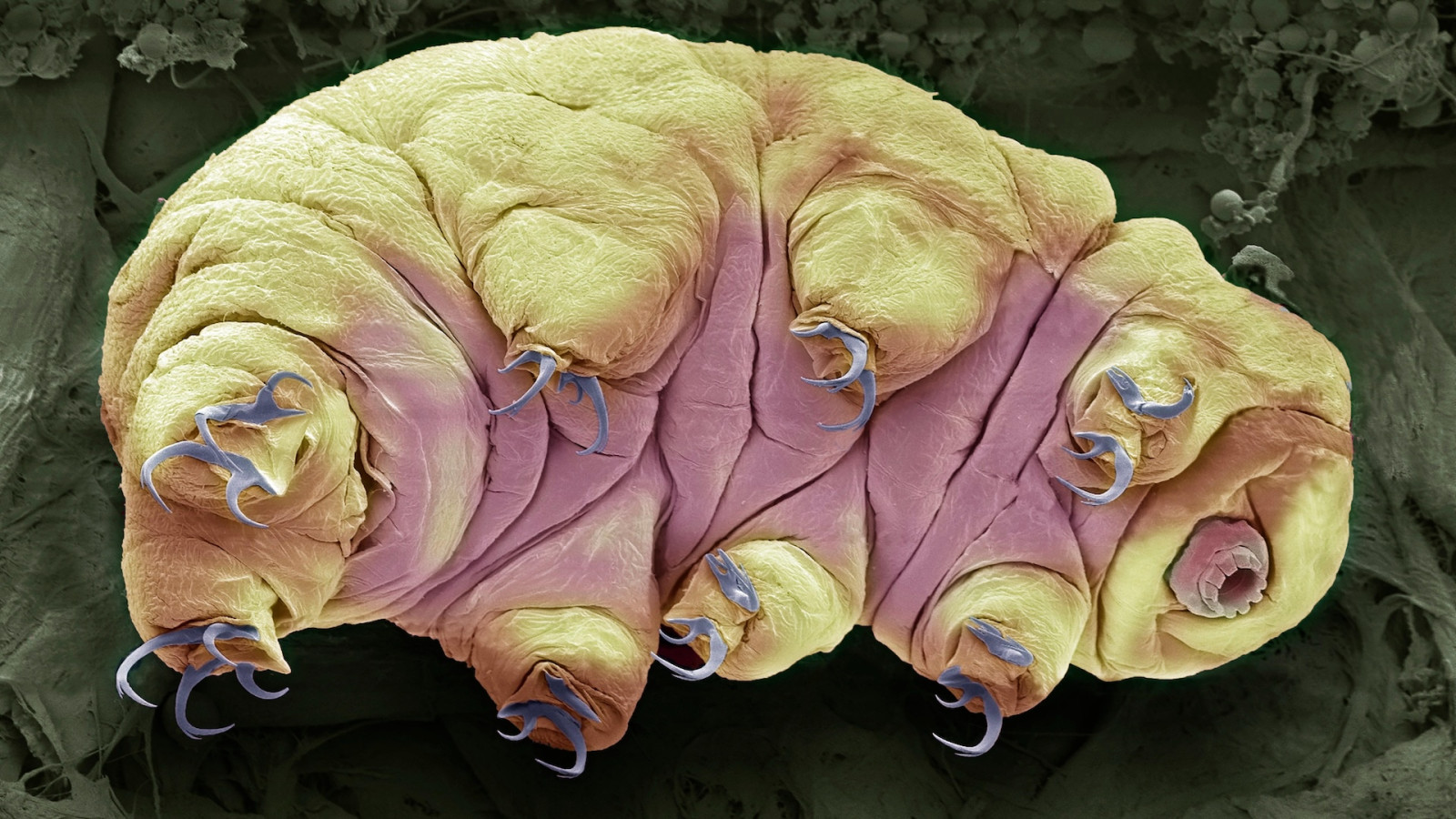
These capabilities are critical because eradicating life on Earth demands more than devastating surface ecosystems. The research highlights the challenge of eliminating protected refuges—especially in the deep oceans—where small organisms like tardigrades can withstand global disasters. The study therefore hinged on one pivotal physical benchmark involving our planet's oceans.
The boiling ocean threshold that defines total sterilization
The core premise is that truly wiping out the toughest animals requires eliminating the ocean as a sanctuary. While events such as asteroid impacts or stellar phenomena can damage surface life by blocking sunlight or irradiating the atmosphere, the ocean's depth offers a stable, shielded environment.
Accordingly, the team focused on the immense energy necessary to boil Earth's oceans—a definitive endpoint for complex animal survival. Strikingly, most catastrophic events known from history fall short of this extreme threshold, underscoring the tardigrade’s exceptional toughness.
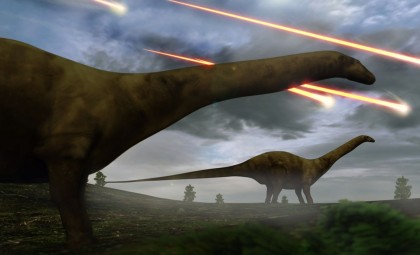
Asteroid impacts serve as a clear example: according to Oxford, an impactor would need a mass on the order of 2×10¹⁸ kg to vaporize the oceans. This represents an object far larger than typical impactors linked with mass extinctions. Only a handful of known asteroids or dwarf planets—around a dozen—could even come close to this scale.
Assessing the likelihood of cosmic collisions
The research paper cites bodies like Vesta and Pluto, both massive enough to meet or exceed the boiling energy threshold. Yet, none currently follow trajectories intersecting Earth’s orbit, drastically reducing the odds of such a cataclysmic collision.
Although smaller impacts can still severely affect terrestrial ecosystems, deep-ocean shelters remain intact in most cases. This resilience lets tardigrades outlast surface devastation by persisting in protected aquatic layers well beyond the recovery time of surface habitats.
This perspective challenges common beliefs. The cockroach's toughness lies in its adaptability to human environments, not resistance to planetary-scale extremes. In contrast, tardigrades’ survival strategy revolves around retreating into deep, buffered habitats and enduring metabolic suspension. This study models physical destruction thresholds rather than urban survival traits.
Cosmic explosions need close proximity to threaten all life
When considering supernovae and intense cosmic radiation bursts, the findings show a supernova would need to occur within roughly 0.14 light-years to provide enough energy to boil the oceans. Since the nearest star system, Proxima Centauri, is about four light-years away, such a sterilizing event is practically improbable within our galactic neighborhood.
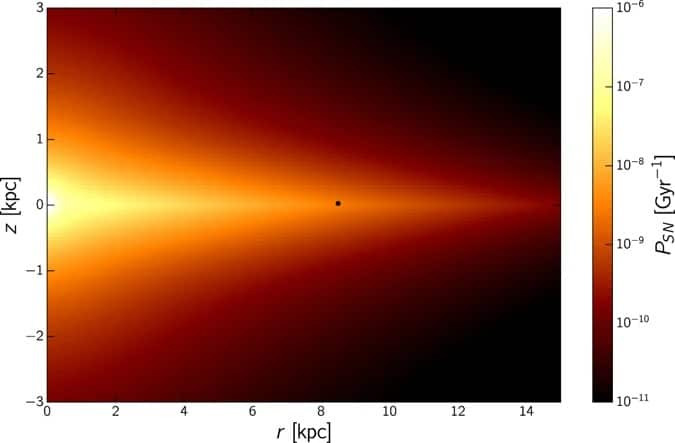
This spatial consideration diminishes the likelihood of life-ending cosmic explosions during the Sun’s lifespan, emphasizing that distance plays as vital a role as the events’ magnitude.
“Life on this planet can continue long after humans are gone.”
Dr. Rafael Alves Batista of Oxford highlighted the distinction between human survival and planetary resilience, stating, “Without the protection of our technology, humans are extraordinarily fragile. Even small environmental shifts can severely affect us. Yet numerous more robust life forms exist on Earth. Life will persist here long after humanity vanishes.”
- Categories:
- Science






0 comments
Sign in to Comment