
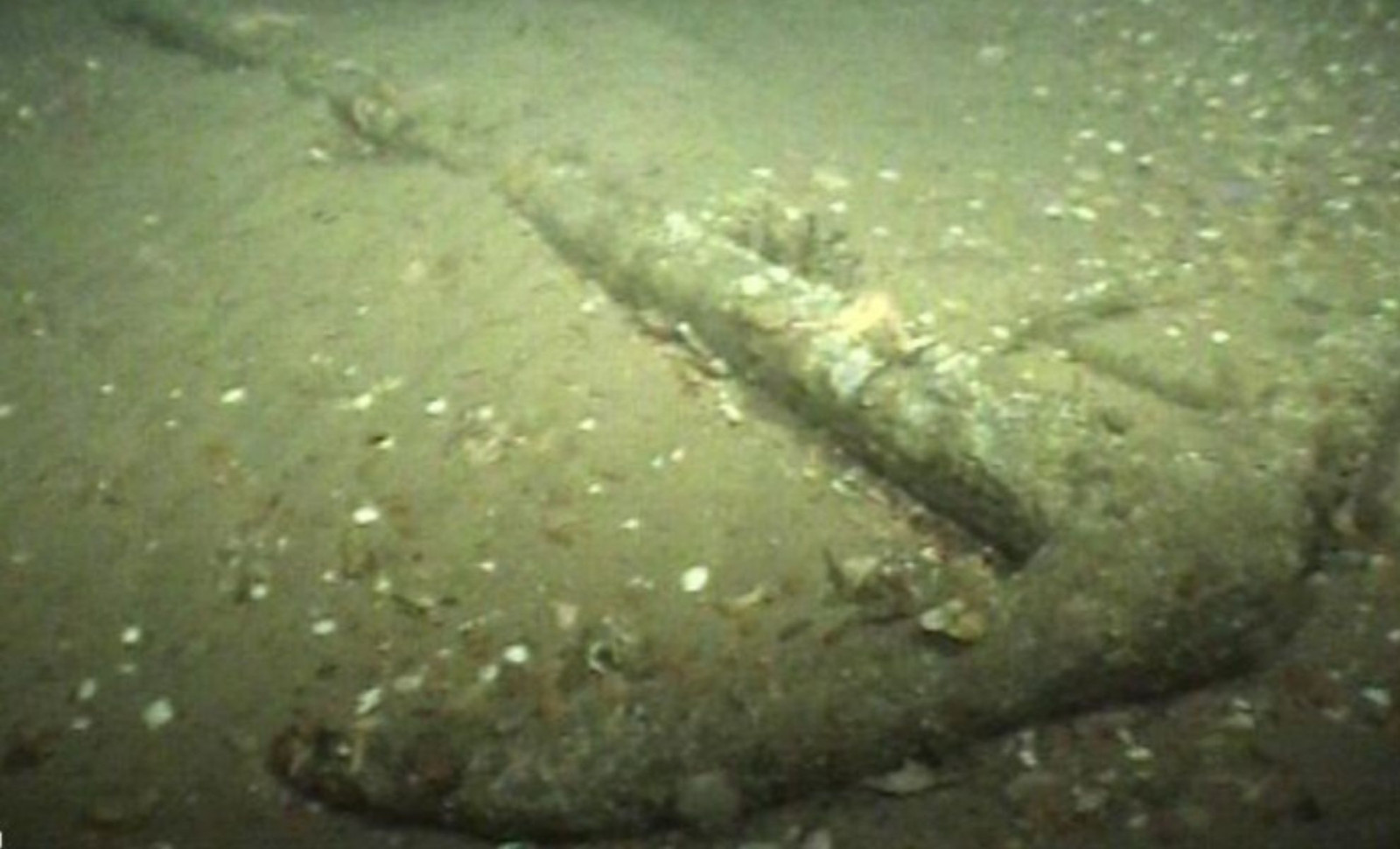
Researchers have uncovered a 2,000-year-old anchor resting beneath the North Sea, remarkably shielded by sand layers from the usual wear caused by water currents and oxygen exposure.
The anchor was identified near the UK coastline during a detailed seabed examination. According to Arkeonews, this artifact is composed of wood and iron, a combination that typically degrades swiftly in marine environments, highlighting the exceptional preservation conditions.
Exceptional Preservation of an Ancient Artifact
What makes this find extraordinary is the anchor’s state of preservation. While maritime wood often deteriorates rapidly, the protective blanket of sand and the low oxygen environment appear to have significantly slowed its decay. Information shared by Arkeonews emphasizes the role of these factors in keeping the anchor intact.

“Everything points to this being a Roman anchor of almost 2,000 years old, which is an incredibly rare piece of history. If this date is confirmed, it would be hard to overstate its significance – we only know about three pre-Viking anchors from northern European waters outside the Mediterranean region and only two actually survived,” Brandon Mason, a maritime archaeologist at Maritime Archaeology.
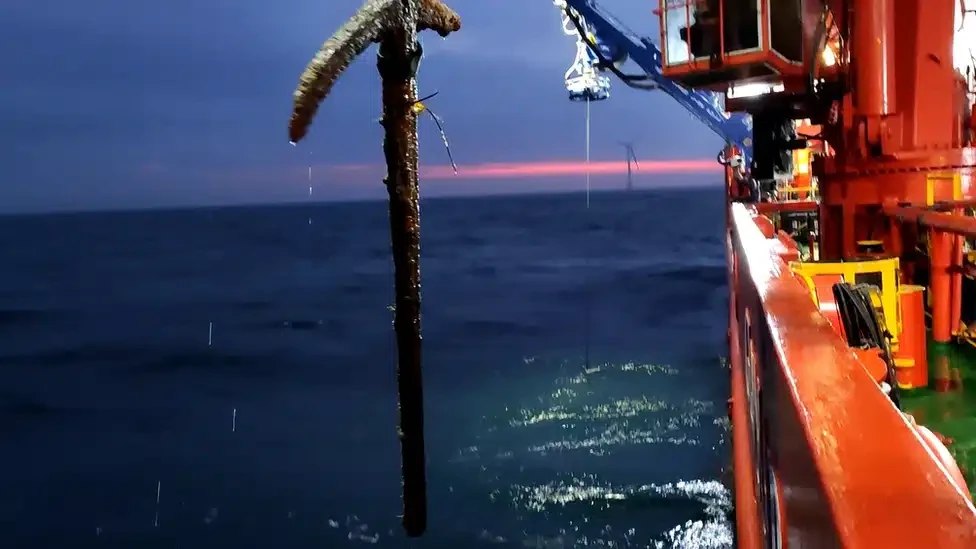
The anchor’s construction is simple yet effective. The iron components contributed necessary weight, while the wooden frame provided structural support, exemplifying the practicality of Roman maritime craftsmanship.
Insights into Ancient Maritime Trade Routes
This anchor is likely a relic from a trading vessel. As BBC Newsround reports, ships navigating these waters frequently transported materials like metals and ceramics across the North Sea.
These findings illuminate the fact that the North Sea was a busy corridor for early commerce, predating modern shipping lanes by centuries. As noted by Mason in a statement quoted by Scottish Power:
“We believe this find could be the oldest and one of the largest surviving examples, giving us hard evidence of the incredible amount of activity that must have been going on in the waters in Roman times, but that we know relatively little about.” He added that: “It’s an absolute privilege to bring the anchor to the surface and to share its story with people not just across the East of England, but right around the world.”
Advanced Technology Reveals Hidden Treasures
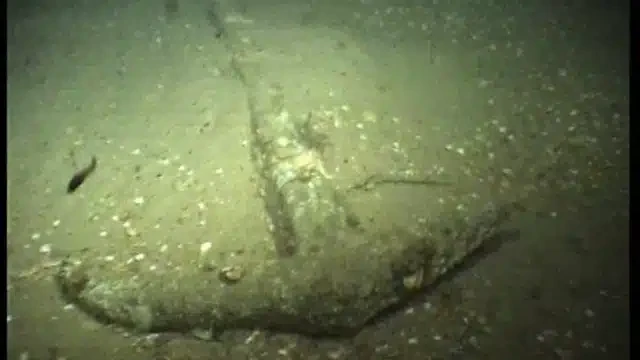
The anchor was detected through the use of sonar imaging, capable of identifying submerged items beneath sediment layers. Reports emphasize how such technologies are revolutionizing underwater archaeological exploration.
“The discovery of such a potentially significant anchor of this date, among the vast seafloor expanse of the southern North Sea, is testament to the careful and methodical steps taken by the East Anglia ONE project. This area of the North Sea has been mapped and investigated in a way not completed before,” added Stuart Churchley, Historic England’s Marine Planning Archaeological Officer.
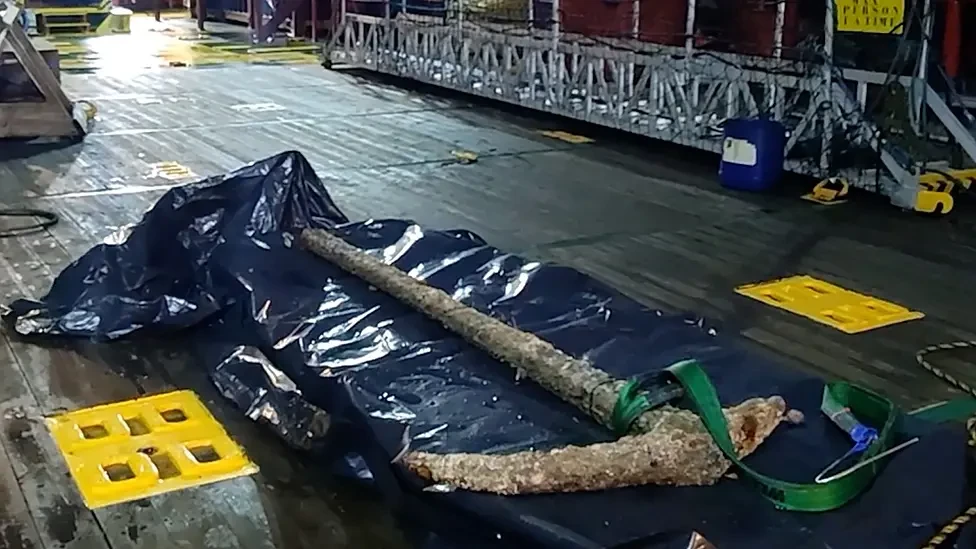
Once retrieved, the artifact underwent further examination to uncover details about its construction and historical timeline. Discoveries like this highlight the vast number of historical objects still concealed beneath the ocean waiting to be explored.
- Categories:
- Science










0 comments
Sign in to Comment