
Near Lake Onega in the northwestern Russian republic of Karelia, archaeologists have uncovered a burial site that is challenging previous assumptions about prehistoric European trade networks. Although no human remains were found, the grave contained a carefully arranged collection of imported ritual items and artifacts rarely seen so far inland.
Discovered during a survey by Petrozavodsk State University, this modest site’s design, artifact assemblage, and dating to the Eneolithic era—around 3400 BCE—are prompting fresh insights into ancient exchange systems, resource movement, and symbolic practices.
Unexpected Baltic Amber and Foreign Flint Appearances
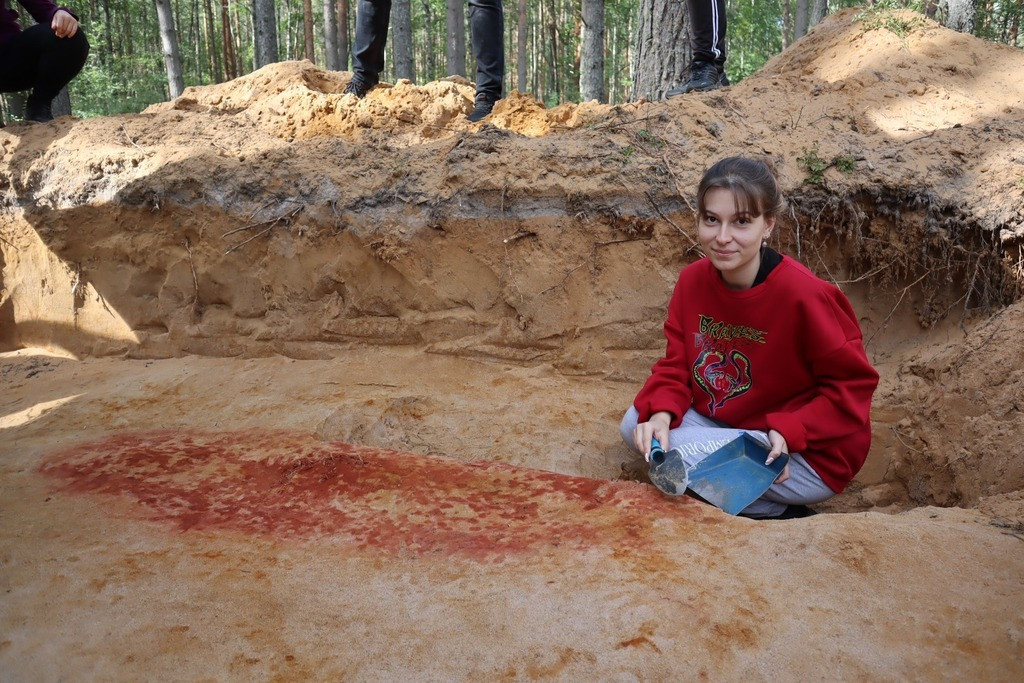
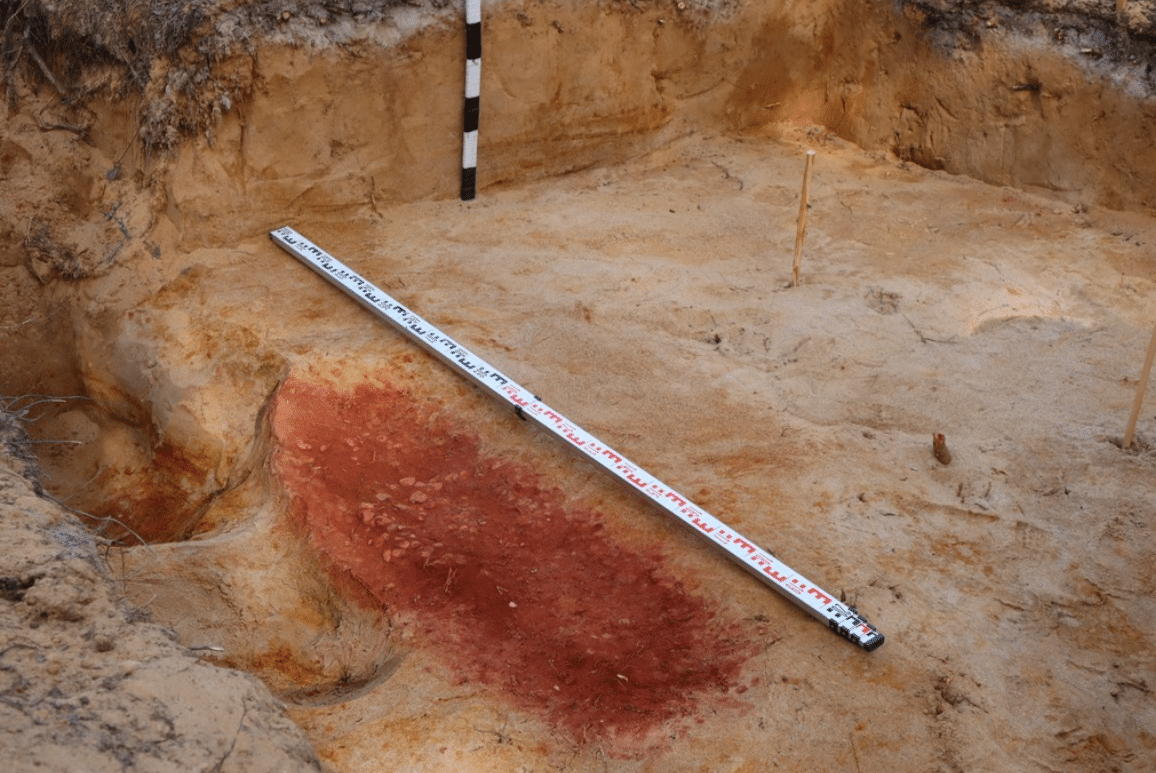
The burial, located at the Derevyannoye XI site, measures 1.45 meters by roughly 70 centimeters. It was coated with red ochre, evident in soil samples showing iron oxide concentrations exceeding 20 percent, implying deliberate application at or shortly after burial.

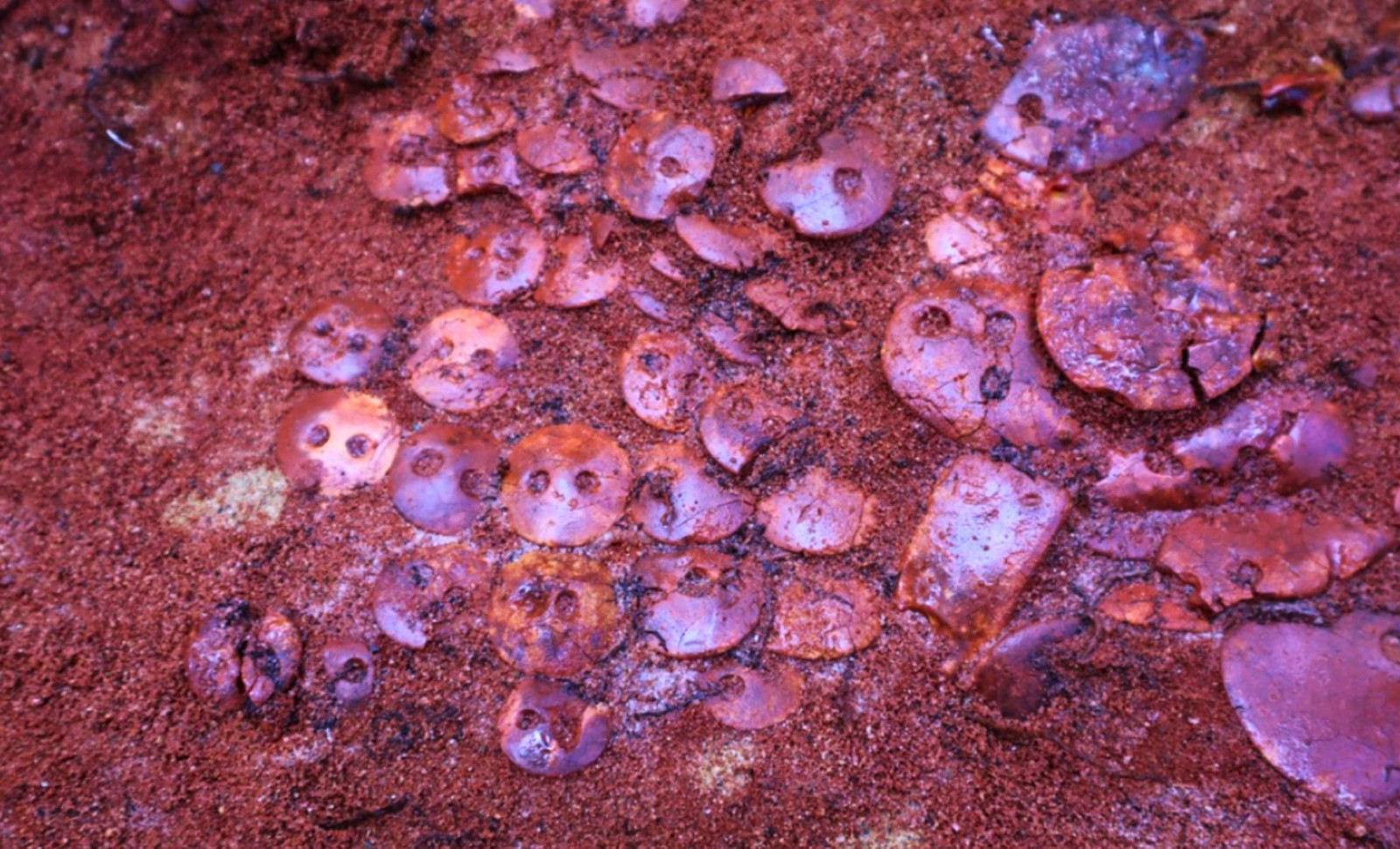
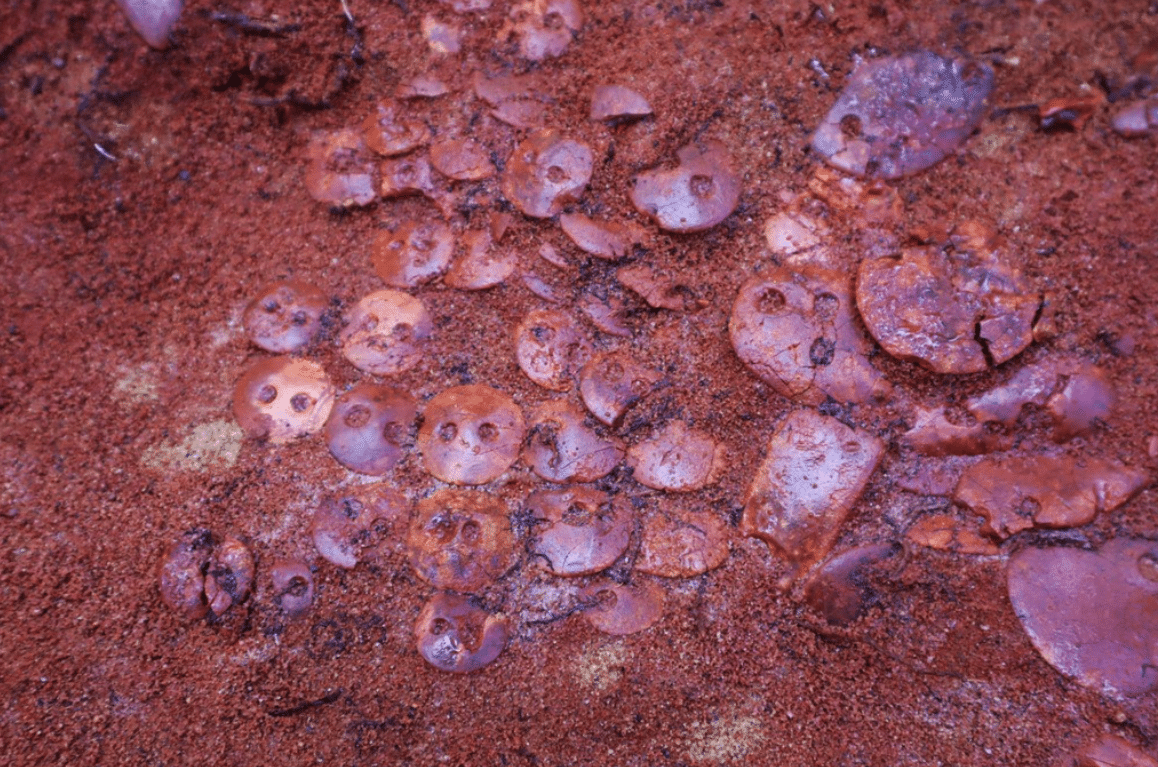
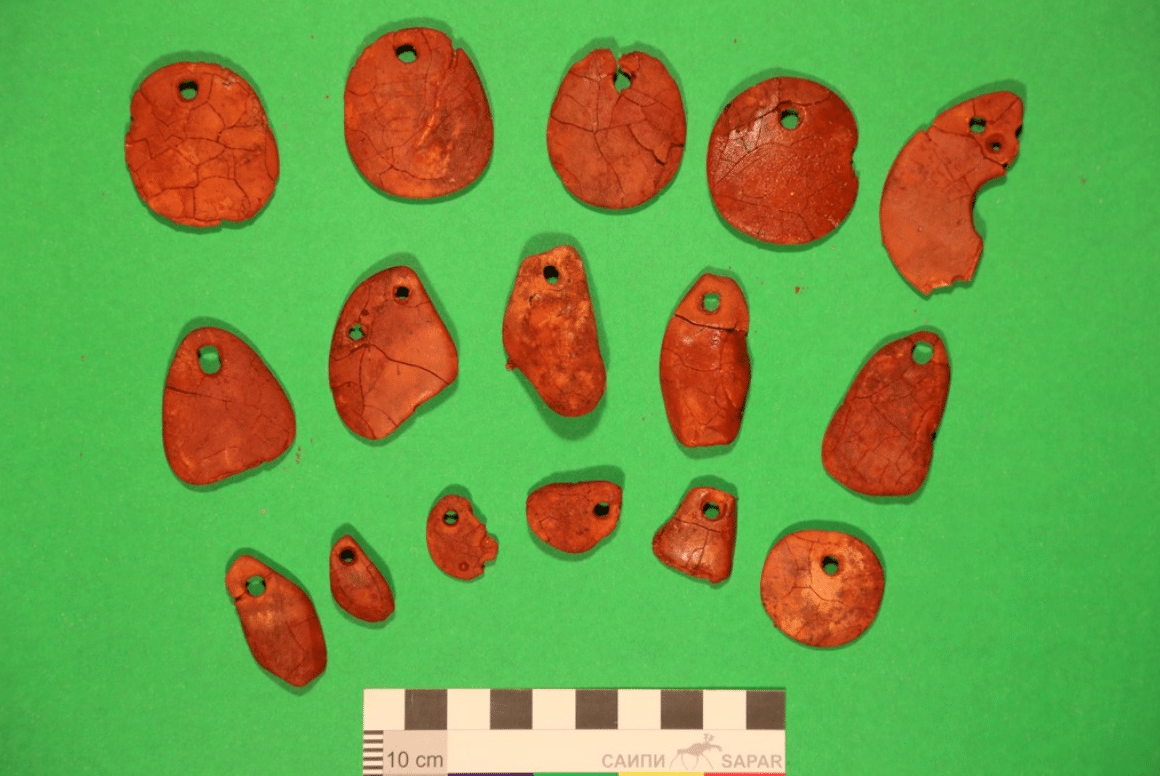
Archaeologists cataloged 137 pieces of amber jewelry, primarily buttons and disc-shaped beads featuring small holes and signs of rotary drilling. They were arranged in two dense horizontal layers along the upper portion of the grave matrix. Most had been sewn face down onto a perished organic substrate, likely leather, now degraded due to acidic soil conditions.
Scientific tests identified the amber as succinite, a fossilized resin dating back roughly 44 million years from the southern Baltic region. Chemical and spectral analyses matched sources in the Sambia Peninsula and western Latvia, over 900 kilometers away. These findings confirm the artifacts were produced outside Karelia and transported over long distances. Several pieces resemble those found at Latvia's Sarnate settlement, a known Baltic amber distribution center.
Alongside the amber, small flint microblades and tool fragments were recovered. The flint’s characteristics match Cretaceous-era deposits found in regions like modern Belarus and northern Poland. Since local Karelia geology lacks flint formations, these materials were clearly imported. The flakes were intentionally broken and deposited above the main artifact cluster, suggesting they functioned as symbolic offerings, consistent with Eneolithic ceremonial practices.
An Elite Burial Beside a Local Production Site
The burial lies within 100 meters of an ongoing excavation of a slate tool workshop by the same university team. Finds at this site include unfinished greenstone adzes, wedge-shaped preforms, and discarded lithic cores. Analysis of wear patterns indicates tools were crafted using advanced pressure flaking techniques demanding considerable expertise.
The close spatial link between the grave and these manufacturing areas implies a connection; researchers suggest the location acted as both habitation and trade center where imported items like amber and flint were exchanged for locally made slate tools. This aligns with emerging models of prestige economies in northern Europe's forest zone during the fourth millennium BCE.
In contrast to nearby communal cemeteries, this burial is singular and situated within a domestic setting. The concentration of artifacts and its solitary position support the interpretation that it represents an individual of elevated social standing, potentially someone with privileged access to extensive trade networks or specialized production.
Trade Without Roads or Written Records
Lake Onega, Europe’s second-largest lake, covers over 9,700 square kilometers and connects through rivers like the Suna, Shuya, and Vodla. These waterways link the basin to both the White Sea and the Baltic Sea. During the Eneolithic climatic peak, seasonal canoe travel was likely feasible along these routes.
Though formal infrastructure was absent, navigable rivers, overland portages, and seasonal meeting points might have facilitated movement of artifacts like amber, flint, and slate. Coastal contemporaneous settlements such as Sarnate show amber was produced and then distributed inland through complex trade networks.
The archaeological pattern reveals directional movement: amber and flint arrived at Lake Onega, while Karelian slate tools show little evidence of wide export during this era. This asymmetry may demonstrate specialization, with Karelia functioning as a manufacturing hub within a wider pan-regional exchange network.
Piecing Together an Obscure Ancient Economy
No skeletal remains survived due to the acidic soils, but soil chemical tests showed elevated arsenic levels matching natural arsenopyrite deposits in the Onega basin. This suggests the buried individual was a lifelong local despite the presence of exotic artifacts.
Further investigations planned for 2026 include isotopic analyses and organic residue studies to detect textile fragments, tool adhesives, and burial-related botanical materials. Excavations of nearby slate workshops continue to clarify manufacturing sequences, raw material sourcing, and deposition phases.
Ongoing comparative research involves specialists examining amber ornament styles across northeastern Europe to determine whether the Onega burial fits known trade networks or constitutes a unique case. The scarcity of similar burials nearby hints at either rare ritual practices or incomplete archaeological records.
- Categories:
- Science








0 comments
Sign in to Comment