
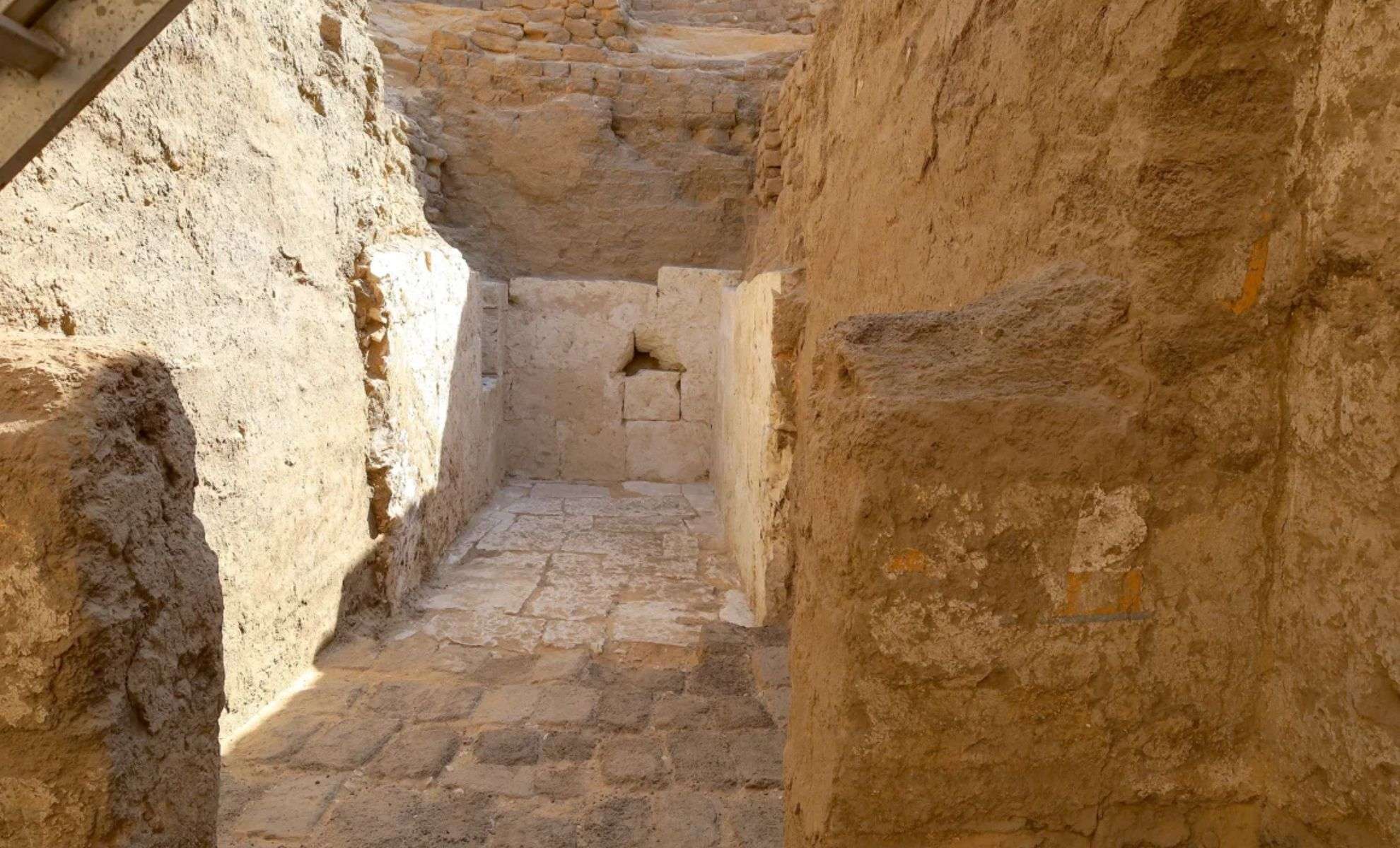
In a remarkable archaeological breakthrough, an ancient tomb dating back over 3,600 years has been discovered in Abydos, Egypt. This grand sepulcher offers new insights into a dynasty largely erased from the historical narrative. Despite the tomb’s grandeur, the identity of the interred ruler remains elusive due to damage and looting.
Exploring the Tomb’s Recent Discovery
As reported by CNN, the tomb was found early in 2025, buried nearly 23 feet beneath the surface. It stands as the largest known sepulcher linked to the Abydos Dynasty, featuring a richly adorned entrance and three chambers that underscore the ruler’s authority and wealth.
However, the inscriptions that might have revealed the royal’s identity have been partially destroyed, leaving scholars puzzled about whom the tomb belongs to.
Identifying the Enigmatic Monarch
The structure of the tomb indicates it likely belonged to a ruler from the Abydos Dynasty, which governed Upper Egypt during the Second Intermediate Period (circa 1640–1540 BC).

Possible candidates include historical figures such as Senaiib or Paentjeni, whose reigns remain poorly chronicled.
“Egyptian pharaohs typically portrayed their lineage as clear and sequential, inscribing names in order. Yet these rulers are absent from that record,” explained Laurel Bestock, an archaeology associate professor at Brown University.
Another intriguing possibility is that the tomb belongs to a king entirely absent from known historical accounts.
The Abydos Dynasty’s Role in Egyptian History
The Abydos Dynasty ruled during a fragmented and unstable era, which suffers from scant contemporary documentation. Unlike more prominent dynasties, its rulers were frequently excluded from official histories, often authored by subsequent pharaohs aiming for a cohesive lineage.
This tomb represents a rare window into this obscure chapter of Egypt’s past.
“This find confirms the existence of a significant royal burial ground, enriching our understanding of royal tomb construction and shedding light on this dynasty’s royal succession,” said Salima Ikram, a professor of Egyptology at the American University in Cairo.
Future Plans for the Excavation
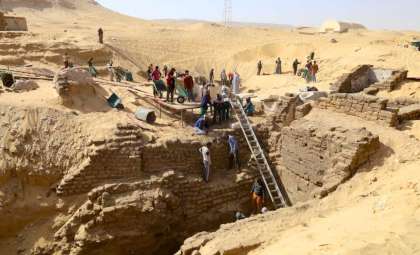
Led by Egyptologist Josef Wegner from the University of Pennsylvania, the team intends to continue their work, aiming to investigate over 10,000 square meters of desert near Abydos. Their goal is to uncover more tombs linked to the Abydos dynasty.
Employing cutting-edge tools like ground-penetrating radar and magnetometry, they hope to reveal additional hidden royal burial sites.
Advancing Our Knowledge of Forgotten Egyptian Monarchs
The occupant’s identity remains a mystery, but this tomb discovery marks a significant leap forward in understanding ancient Egyptian royalty.
The archaeological insights gained about pharaonic burial traditions, tomb design, and the Abydos Dynasty will deepen our grasp of Egypt’s complex history.
“With archaeology you hope for evidence. The archaeological record, you know, it gives you surprises and twists and turns along the way, so you never know what you can find,” Wegner said.
- Categories:
- Science


0 comments
Sign in to Comment