
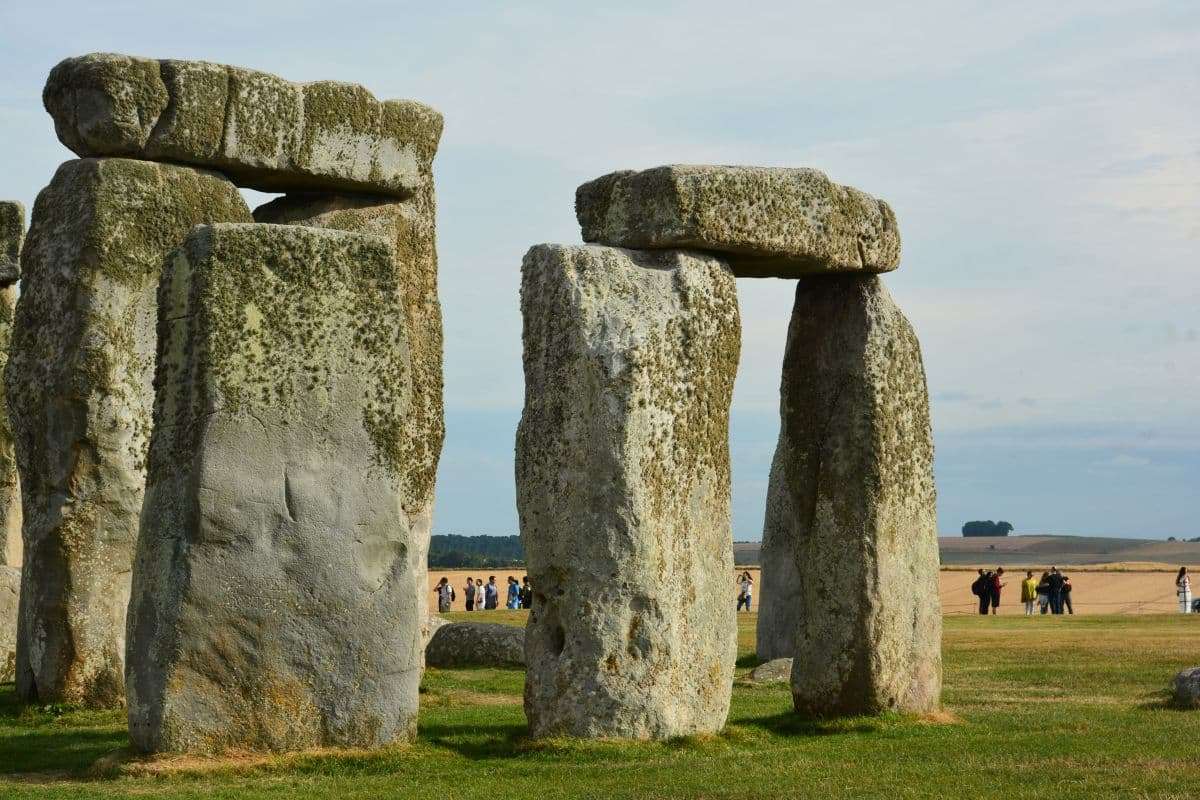
Recent archaeological research has revealed findings that may transform prevailing views on Neolithic Britain. The Flagstones burial ground in Dorset, England, has been re-dated to around 3,200 BC—pushing its origin back by 200 years compared to prior estimates. This makes Flagstones the oldest known major circular enclosure in Britain and suggests it could have served as a foundational model for other monumental constructions, including the renowned Stonehenge.
Links to Other Prehistoric Sites
The new data, detailed by scholars from the University of Exeter and Historic England, not only revises the established timeline for Neolithic Britain but also sparks fresh debates about how early ceremonial and burial monuments originated and evolved.
The Flagstones location also shares characteristics with several prominent Neolithic sites within Britain and Ireland. This includes parallels to Llandygái Henge A in Gwynedd, Wales, highlighting cultural connections across the region.

As Dr. Greaney stated, “It displays features reminiscent of earlier causewayed enclosures, as well as aspects of later henges. Previously, we were uncertain about its placement chronologically, but the updated dating assigns it to an earlier era than initially thought.”
Design and Importance of the Flagstones Site
Flagstones consists of a circular ditch roughly 100 meters across, composed of intersecting pits that likely upheld an earthen embankment. Unfortunately, half of the site lies beneath the Dorchester bypass, while the other half is situated under Max Gate, the historic residence of author Thomas Hardy.
Excavations have uncovered at least four burials inside this circular enclosure—one cremated adult and three non-cremated children—as well as fragments of cremated adults found elsewhere on the site.
The burial layout and architectural style at Flagstones bear striking resemblance to the earliest phase of Stonehenge, traditionally dated around 2,900 BC.
Dr. Greaney emphasized, “Understanding Flagstones’ chronological framework is vital for decoding the evolution of ceremonial and funerary monuments across Britain.” This opens the possibility that Flagstones preceded Stonehenge and might have influenced its design and construction methods.
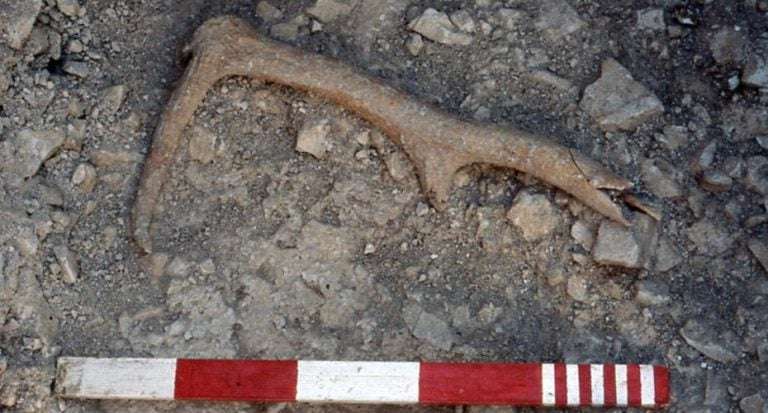
Image Credit: University of Exeter
Insights from the Latest Findings on Neolithic Rituals
The updated dating of Flagstones provides significant clues about ceremonial and funerary traditions in early Neolithic societies. Radiocarbon evidence indicates that initial activities like pit digging occurred as early as 3,650 BC.
The circular ditch enclosure itself was established around 3,200 BC, with associated burials introduced soon after. Notably, a burial beneath a massive sarsen stone at the site’s core dates to roughly 1,000 years later than the initial enclosure usage.
“Flagstones’ chronological context is crucial for revisiting the progression of ritual monuments in Britain,” Dr. Greaney observed. This new timeline challenges existing assumptions about Stonehenge’s age.
“Is it possible that Stonehenge was inspired by Flagstones? Or does this evidence suggest we should reconsider Stonehenge’s dating?” Dr. Greaney proposed, underscoring the need for additional research to explore the relationship between these monumental prehistoric constructions.
- Categories:
- Science







0 comments
Sign in to Comment