
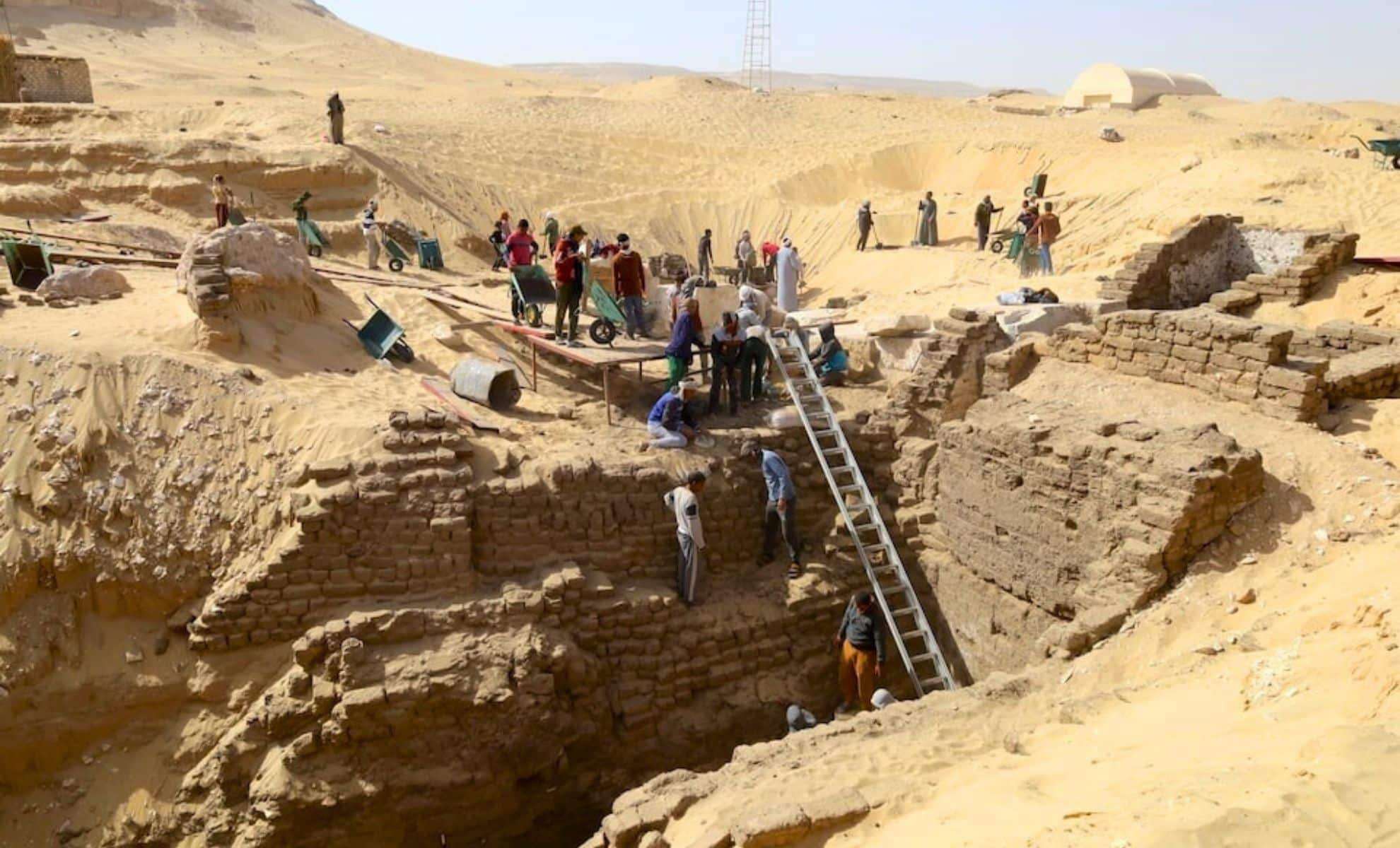
In Abydos, Egypt, researchers have uncovered a remarkable tomb dating back over 3,600 years, although the identity of the pharaoh interred remains a mystery. Despite evidence suggesting the chamber was looted long ago, the impressive architecture and symbolic decorations inside continue to captivate scientists around the globe.
Hidden Layers Beneath Mount Anubis
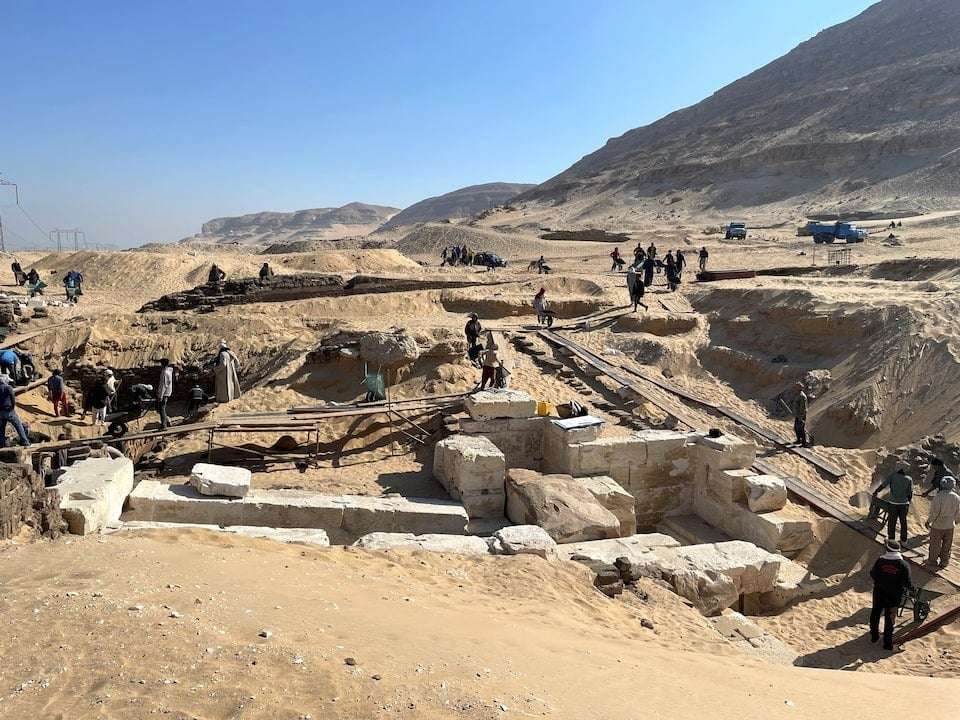
Earlier this year, a collaborative team of Egyptian archaeologists and scholars from the University of Pennsylvania Museum announced the unearthing of a burial chamber located more than seven meters deep inside the ancient necropolis of Mount Anubis, near Abydos.
Although the tomb shows signs of damage and age, its intricate construction and iconography distinguish it as a significant archaeological find. The discovery was presented to the public in late March by Josef Wegner, a professor specializing in Egyptian archaeology who played a leading role in the excavation.

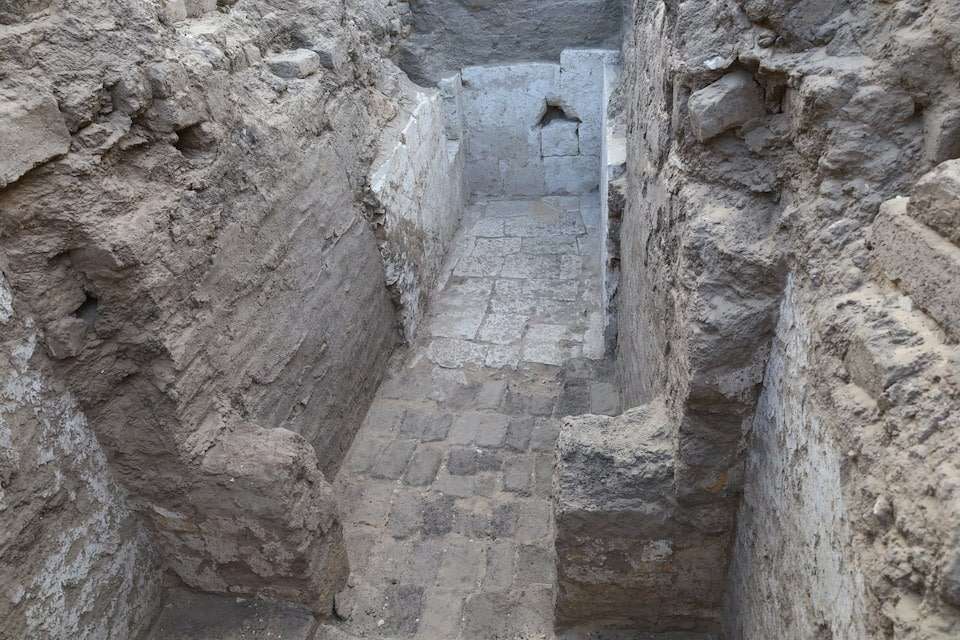
The burial chamber features multiple alcoves with soaring vaulted ceilings reaching five meters, all crafted from ancient mudbrick. This uncommon architectural design immediately drew attention, hinting that the tomb belonged to a high-ranking individual, probably of royal status.
While the interior was found emptied of artifacts and remains, experts strongly believe it once held a powerful ruler. The site had likely been robbed thousands of years ago, leaving no direct physical evidence of the occupant.
Era Marked by Conflict and Lost Monarchs
The tomb probably dates back to the Second Intermediate Period (around 1640-1540 BCE), a chaotic chapter bridging Egypt’s Middle and New Kingdoms. During this time, the nation was split among four competing regions, including the Hyksos rulers based in the Nile Delta.
Wegner described the period as one of “warring states,” a fragmented political landscape that eventually set the stage for Egypt’s reunification and imperial rise.
Two potential candidates linked to the tomb are rulers Senebay and Pantjeny. Both figures appear on monuments in the Abydos area, but their final resting places had remained unknown—until now, possibly.
Although no direct inscription reveals the occupant’s identity, hieroglyphics near the entrance referencing divine guardians offer clues that might help identify the entombed king.
Divine Protectors and Silent Testimony
Among the remaining decorations are images of Isis and Nephthys, two prominent goddesses from Egyptian lore. Nephthys, linked to funerary rites, embodies the journey of death, while Isis symbolizes rebirth and renewal. Their portrayals typically indicate efforts to protect the deceased king in the afterlife.
The presence of these deities strongly implies the tomb was crafted for someone of royal descent and highlights the spiritual significance of the site.
Even without artifacts, this find holds substantial archaeological importance. Its architectural features, religious symbolism, and historical context provide valuable perspectives on a little-studied era in Egypt’s past.
“Egypt’s political history during this period is still being pieced together,” said Wegner. “But this tomb brings us closer to understanding how fragmented rule ultimately gave rise to one of Egypt’s greatest dynasties.”
Although the tomb is silent now, ongoing digs at the Mount Anubis necropolis may uncover additional signs—such as inscriptions, adjacent graves, or relics—that could one day unveil the identity of this lost monarch.
For the time being, the tomb stands as an enigmatic monument: a royal sepulcher without a name, reminding us of the many secrets still buried beneath Egypt’s timeless sands.
- Categories:
- Science











0 comments
Sign in to Comment