
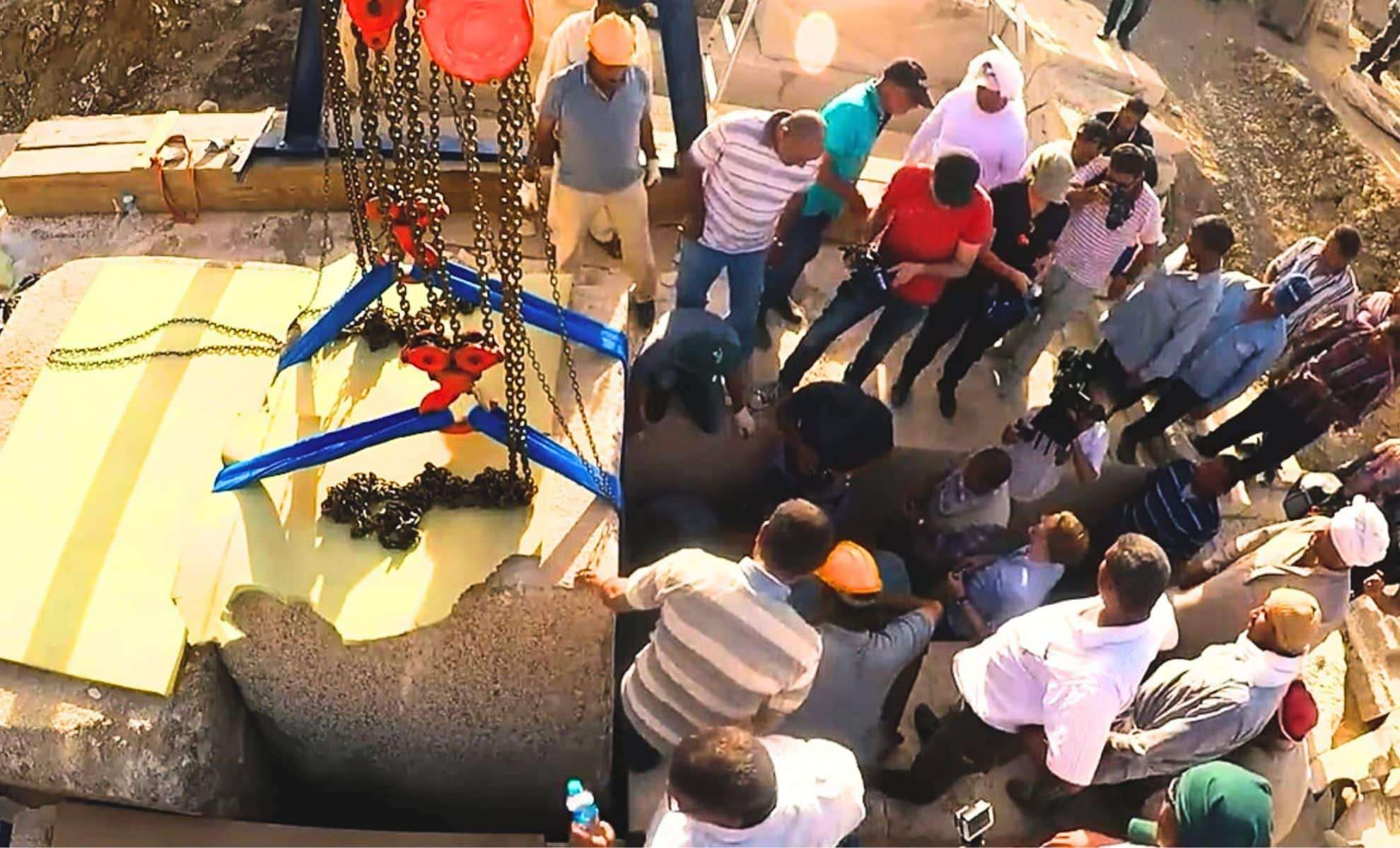
Archaeologists working in Egypt have revealed a forgotten pyramid concealed beneath the desert sands of Dahshur, a historic royal burial site. This find, uncovered during digs near some of Egypt’s most ancient pyramids, led researchers to a sealed tomb that had remained untouched for nearly four millennia. Instead of untouched riches, the team encountered baffling clues hinting at an ancient transgression, prompting scholars to rethink long-held assumptions about the tomb's history.
Millennia-Old Pyramid Emerges from the Sands
Located south of Cairo, the Dahshur necropolis hosts iconic monuments like the Bent Pyramid and Red Pyramid, built under the reign of Pharaoh Sneferu. Buried beneath this site was an undiscovered secret that had eluded detection for thousands of years.
During recent work, quarry laborers uncovered meticulously cut limestone blocks, which garnered the attention of Egypt’s Ministry of Tourism and Antiquities. This remarkable finding led specialists to an unknown pyramid lost to historical memory until this moment.

Further excavation revealed a subterranean corridor leading to a vaulted burial chamber sealed tight—a rare occurrence in Egypt, where tomb looting has been a frequent issue over centuries. The team eagerly anticipated discovering undisturbed royal treasures and artifacts preserved through the ages.
Frozen in Time: Crime Scene Inside an Ancient Tomb
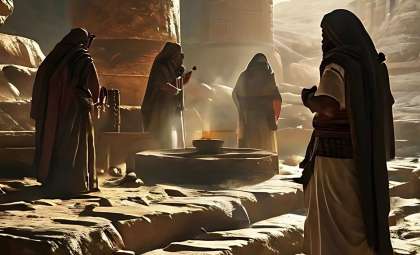
The moment the pyramid’s capstone was lifted, the team was met not with solemn preservation but evident disarray.
Inside the chamber, objects were tossed about, burial items damaged, and unmistakable traces of plundering were found, despite the capstone having stayed sealed intact for thousands of years.
Dr. Chris Naunton, a prominent British Egyptologist, described this eerie situation as “an ancient crime scene.” A baffling question remains: How could the tomb have been robbed if it was never officially reopened?
Looting Occurred Before Sealing the Tomb
Examination of the evidence led to a surprising insight—the plundering had happened prior to the tomb’s final closure. It appears to have been an inside conspiracy, possibly involving those charged with securing the pyramid in the first place.
“The burial was already violated before being permanently sealed,” Dr. Naunton stated. “While the capstone was intended as a safeguard, it also ensured the chamber remained undisturbed thereafter.”
Indications suggest the episode dates back to the tumultuous 13th Dynasty, a time marked by political unrest and factional conflicts. Whether this act was a secret cover-up, a vendetta, or a political power move continues to be speculative.

Discovery of a Little-Known Princess Hatshepsut
Within the burial site, researchers found a canopic chest adorned with faded hieroglyphic inscriptions. Using modern scanning methods, they decoded the writings, revealing the tomb’s inhabitant was Princess Hatshepsut.
This figure is distinct from the renowned Pharaoh Hatshepsut of the 18th Dynasty. Previously unrecorded, this other Hatshepsut presents an extraordinary case. The construction of her own pyramid implies a high status, yet historical records had omitted her name.
Challenging the Narrative of Egyptian History
The unearthing of Princess Hatshepsut’s burial and the enigmatic premature pillaging raise numerous intriguing questions.
- Was she the target of a political conspiracy within the royal family?
- Did rivals intentionally remove her from history and desecrate her resting place?
- Could the disturbance have been a ritual aimed at nullifying her power in the afterlife?
The rediscovered pyramid at Dahshur stands as a compelling testament to Egypt’s concealed historical complexities. Even after nearly 4,000 years, the desert continues to reveal secrets—some meticulously conserved, others intentionally hidden.
- Categories:
- Science







0 comments
Sign in to Comment