

Near Naples, Italy, researchers have uncovered a Roman burial site that offers new insights into ancient Roman culture. Situated close to the historic town of Liternum, this recently found grave is thought to belong to a gladiator, as revealed by an inscription etched into marble.
An Exceptional Gladiator Burial
This marble-inscribed tomb represents a remarkable find at the Liternum burial grounds. The text highlights the gladiator’s esteemed role within Roman society. Such a well-preserved resting place opens up new questions regarding the ceremonial practices and social importance of gladiators during the Roman Empire.
Widespread Burial Complex Unearthed
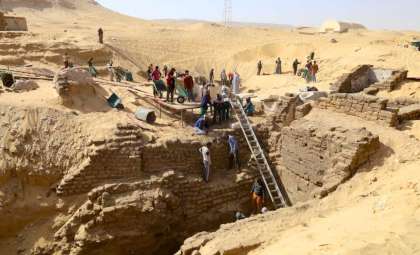
Spanning more than 1,600 square feet, the necropolis lies near an ancient Roman forum and amphitheater once used for gladiatorial combat. Excavations have unveiled two well-maintained funerary chambers, featuring white plaster work and red-painted decorations that highlight the attention given to these tombs through the ages.

Popular Mechanics reports that “some areas displayed white plaster motifs, others showed red accents, and there was a square mausoleum made of gray tuff blocks measuring up to 10 feet in length.” These findings indicate the necropolis served as a burial site over an extended duration, containing urns and various funerary artifacts.
Insights Into Ancient Funerary Traditions
The burials reveal a range of mortuary styles, from roof-tile coverings to meticulously constructed boxes safeguarding the remains. Archaeologists have also discovered a deep well believed to have held ritualistic significance in Roman funeral customs.
“The Giugliano area is currently witnessing a particularly productive phase in archaeological investigations,” stated Marian Nuzzo, superintendent of archaeology in Naples.
“Following the Tomb of Cerberus discovery, this necropolis—with its well-preserved walls and graves—adds a vital chapter to our understanding of the Liternum settlement. ”
Continuing to Unravel Liternum’s Past
As excavations advance, experts aim to learn more about the structure of this Roman colony, particularly the Via Domitiana, a historic road linking southern Italy and Rome.
By analyzing the necropolis’s positioning relative to this route, researchers hope to form fresh perspectives on the region’s history and urban design.
“We expect to gain valuable knowledge regarding a territory of immense archaeological and historical significance,” Nuzzo added, stressing the potential of continued studies to illuminate the area’s rich heritage.
The Gladiator’s Eternal Home
With numerous tombs still awaiting discovery, archaeologists are optimistic that ongoing digs will provide further revelations about the ancient Liternum settlement and the wider Roman world. The gladiator’s grave remains a standout find within this increasingly significant site.
- Categories:
- Science










0 comments
Sign in to Comment