
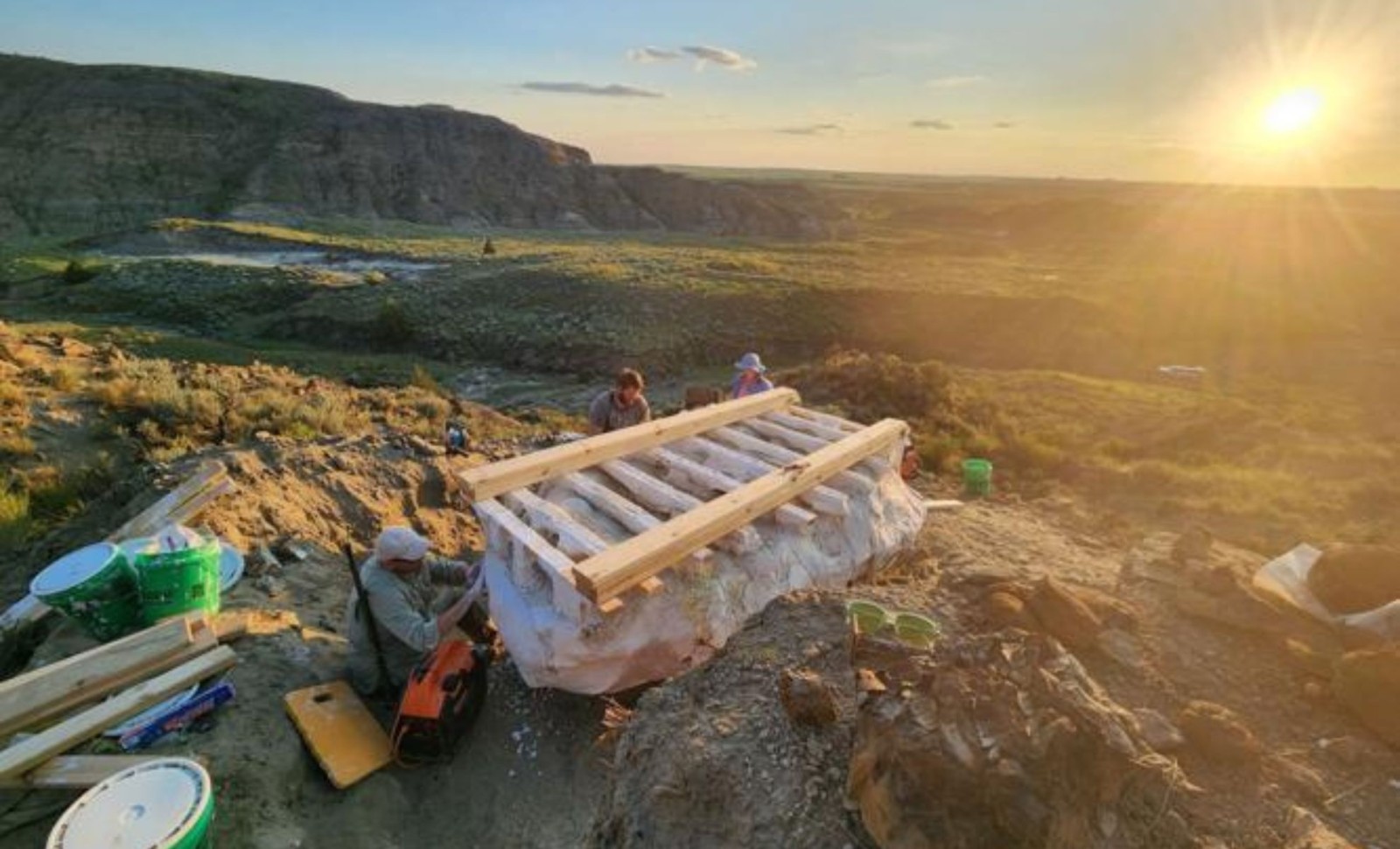
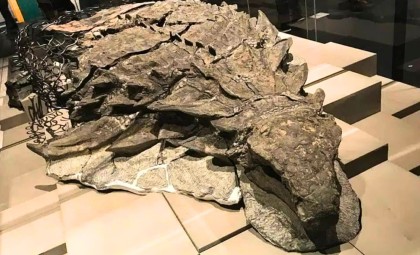
A nearly intact dinosaur mummy has been recently discovered in Minnesota, representing one of the finest examples of fossil preservation ever found. This remarkable specimen offers valuable insights into dinosaur biology from the Late Cretaceous epoch.
The fossil was excavated and studied by experts at Winona State University, who have devoted extensive efforts to its conservation and examination. Such discoveries are particularly exceptional due to the rarity of fossils retaining soft tissues like skin and muscle, which seldom survive the fossilization process.
A Herbivorous Giant from the Late Cretaceous
According to Phys.org, the Minnesota find is a herbivorous dinosaur species that inhabited the Earth near the end of the Late Cretaceous period. These dinosaurs existed shortly before the catastrophic extinction event approximately 66 million years ago that ended the reign of non-avian dinosaurs.

“We don’t know exactly what’s going to emerge from the rock when we prepare it,” said Winona State University geoscience professor W. Lee Beatty. “If that’s what happens, then this is going to be a really rare thing.”
The dinosaur is identified as an Edmontosaurus, recognized by its distinctive duck-billed snout. Fossils of this genus have been discovered throughout North America. Unlike earlier finds that mostly included skeletal remains, this new specimen is extraordinary due to the preservation of soft tissue.
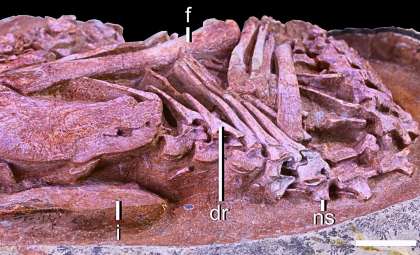
“The first thing I saw was a limbone kind of broken up,” said Adam Schroeder, owner of Hell Creek Fossils. He added, “And as I was doing that, I noticed there were dorsal processes from the vertebrae coming out of the side, connecting all the way from the front leg to the back leg.”
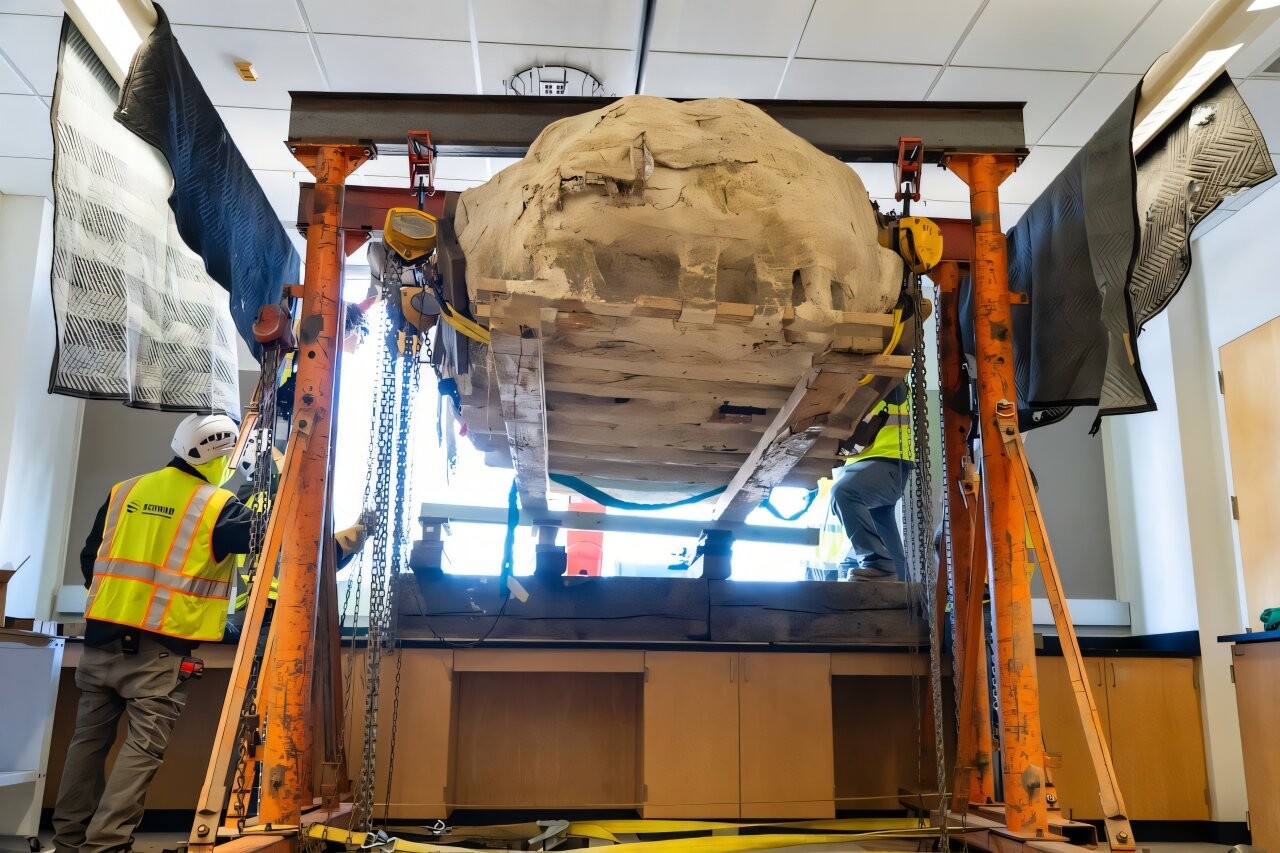
Factors Behind the Exceptional Preservation
Researchers suggest that the fossil’s extraordinary state is due to a unique set of environmental conditions. Typically, soft tissues decay rapidly after death, making their fossilization an extraordinary event.
In this case, swift burial likely shielded the dinosaur’s body from decomposition, enabling the retention of skin, muscle, and other delicate tissues. This rapid entombment explains the fossil's exceptional preservation.
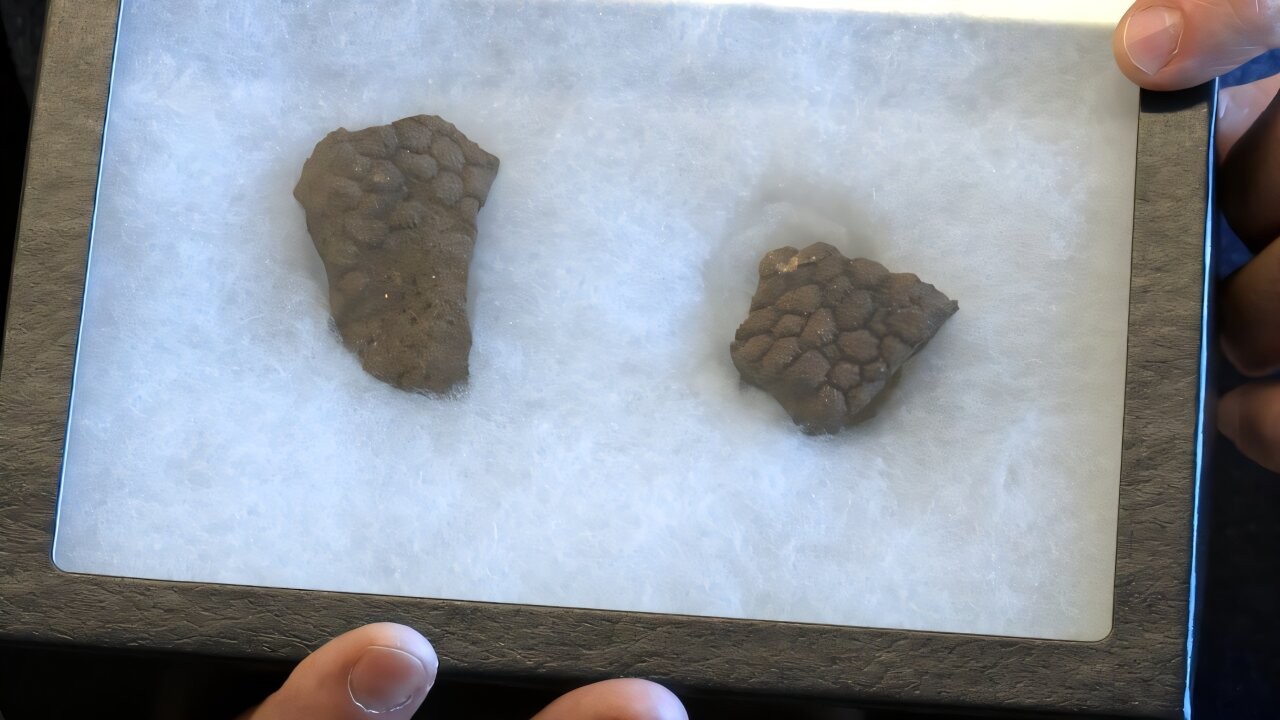
Winona State University’s Role in Revealing Dinosaur Secrets
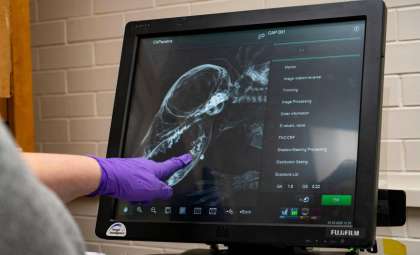
The team at Winona State University has been meticulously preserving this specimen, employing advanced imaging and microscopic techniques to analyze its preserved soft tissues in detail.
“It’s an amazing opportunity,” Beatty aid. “There’s so much research that can come out of this and so much we can learn.”
The knowledge gained from this study promises to deepen our understanding of fossilization and enhance methods for examining ancient life forms.
- Categories:
- Science

0 comments
Sign in to Comment