
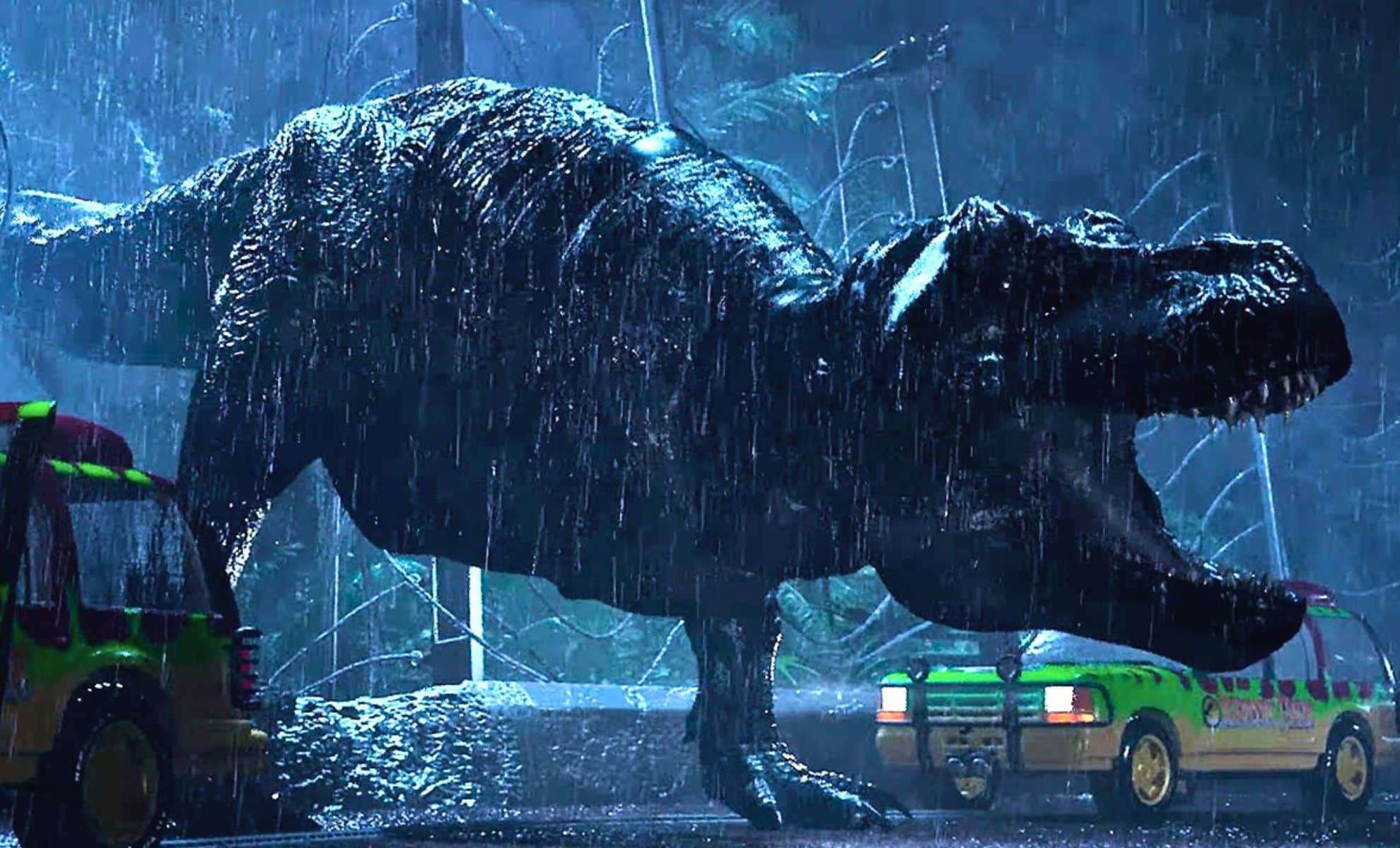
For more than 30 years, roaring dinosaurs have been a hallmark of pop culture, largely fueled by the Jurassic Park franchise. Iconic predators like Tyrannosaurus rex and Velociraptors have been depicted with loud, fearsome cries that captured our imagination. But could these portrayals be far from reality when it comes to how dinosaurs actually vocalized?
The Changing Soundscape of Dinosaurs in Cinema
Long before Jurassic Park revolutionized dinosaur sound effects, movies had already crafted fantastical dinosaur noises based on imagination rather than science.
Films like The Lost World (1925) and King Kong (1933) were among the earliest to portray dinosaurs on screen, though their roaring sounds were purely invented for entertainment value. Over time, dinosaurs appeared across genres, consistently depicted as loud and intimidating beings.

The 1993 release of Jurassic Park raised the bar in cinematic visuals and sound design, solidifying monstrous roars as a defining trait of dinosaurs. These sound effects shaped public perception about how these creatures communicated—instilling an image of thunderous roars. Yet, how closely does this match scientific reality?
Uncovering the Actual Vocalizations of Dinosaurs
Scientists have limited knowledge about the authentic vocal sounds of dinosaurs. At the time Jurassic Park was made, fewer than a dozen T. rex skeletons had been unearthed, constraining the understanding of their vocal anatomy.
Recent advances in paleontology, through analyzing fossilized laryngeal structures, skull anatomy, and drawing parallels from living relatives such as birds and reptiles, suggest dinosaurs might not have emitted thunderous roars at all.
Instead, it is believed they produced deep, low-pitched sounds—rumbles or resonant vibrations akin to those made by crocodiles and ostriches today.
For instance, the T. rex might have communicated through subtle but powerful chest vibrations rather than the booming roars popularized in movies. These sounds likely conveyed presence more through tactile sensation than volume, offering a stark contrast to Hollywood’s portrayal.
Breaking Down the Jurassic Park T. rex Roar
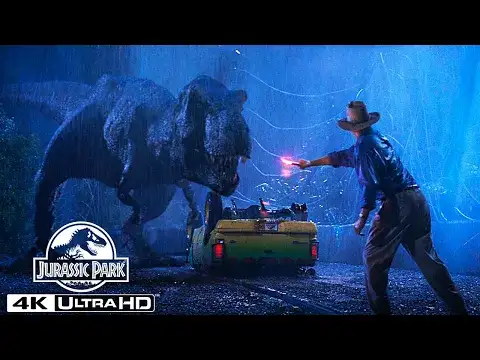
The unforgettable T. rex roar in Jurassic Park was an artful auditory concoction rather than a faithful reproduction of dinosaur vocalizations.
Sound engineers blended calls from diverse animals: the low-frequency tone from a baby elephant, tiger growls, and guttural sounds from an alligator. This mixture produced a raw, intimidating roar that resonated deeply but lacked scientific accuracy.
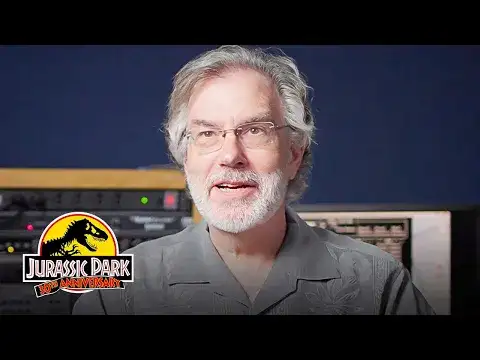
This creative synthesis contributed to the cultural image of dinosaurs as roaring behemoths and helped cement the T. rex as a cinematic icon. Nonetheless, new evidence indicates that large theropods like the T. rex probably emitted much quieter, lower-frequency sounds than those heard on-screen.
The Future of Dinosaur Sounds in Media
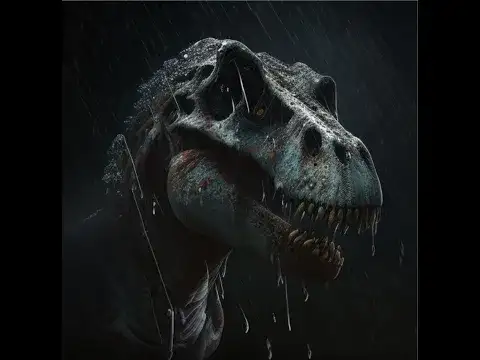
As research methods advance, a challenge emerges for museums and filmmakers: how to portray dinosaur vocalizations with both authenticity and audience engagement.
Experts suggest that upcoming presentations might leverage low-frequency vibrations to emulate a T. rex’s call, allowing viewers to physically sense rather than just audibly hear these prehistoric communications.
This innovative approach promises a richer, more immersive connection to dinosaurs that reflects current scientific understanding.
- Categories:
- News



0 comments
Sign in to Comment