
As the Artemis 2 mission progresses, NASA is intensifying its preparations for Artemis 3, according to NASA Administrator Jared Isaacman. This marks a bold effort to swiftly achieve a sustainable human foothold on the Moon, emphasizing confidence in existing technologies and a potentially quicker lunar landing timeline than initially projected.
Advancing Through Concurrent Mission Development
NASA is adopting a parallel mission strategy where phases overlap to boost efficiency. While Artemis 2 aims to orbit the Moon with astronauts aboard, teams are simultaneously deep into readying Artemis 3, the mission set to return humans to the lunar surface for the first time since Apollo.
This concurrent planning reflects a new operational mindset that relies on immediate data feedback and extensive engineering expertise, minimizing downtime and enabling quicker mission turnarounds without interrupting progress.

Jared Isaacman characterized this approach as a pivotal moment for NASA's ambitions.
“We can undertake—again—world-changing missions like Artemis 2 right now and get ready for the next ones at the same time,” Isaacman said.
This declaration highlights a broader goal: not merely revisiting the Moon but establishing a continuous presence. Compressing development periods and overlapping mission phases aims to prevent the lengthy pauses that previously hampered crewed space exploration.
Focus on Gradual Refinements Over Large Overhauls
An important feature of the Artemis timeline is NASA’s plan to keep changes between missions minimal. Engineers intend to apply selective enhancements based on Artemis 2’s findings rather than conducting major redesigns of spacecraft and technology.
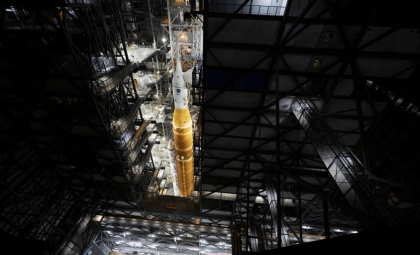
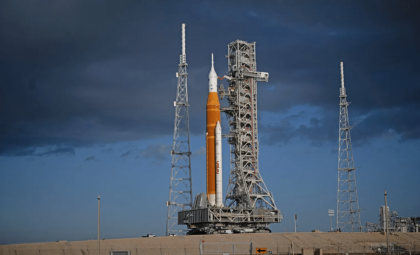
This methodology reduces both financial and technical risks, underscoring trust in the Space Launch System (SLS), Orion capsule, and associated systems. Continuity enables new missions to build directly upon successful foundations.
As NASA Flight Director Rick Henfling explained in a recent update,
“The things that we’re going to have to improve upon for Artemis 3 are relatively small and incremental in nature, as opposed to wholesale redesigns of spacecraft subsystems,” Henfling said during Tuesday’s briefing.
This approach mirrors industrial spaceflight trends prioritizing iterative development, allowing missions to proceed with steady refinement instead of long interruptions.
The implication is clear: Artemis 3 builds on existing achievements and may happen faster as a result.
Human Landing Systems and the Impact of Launch Frequency
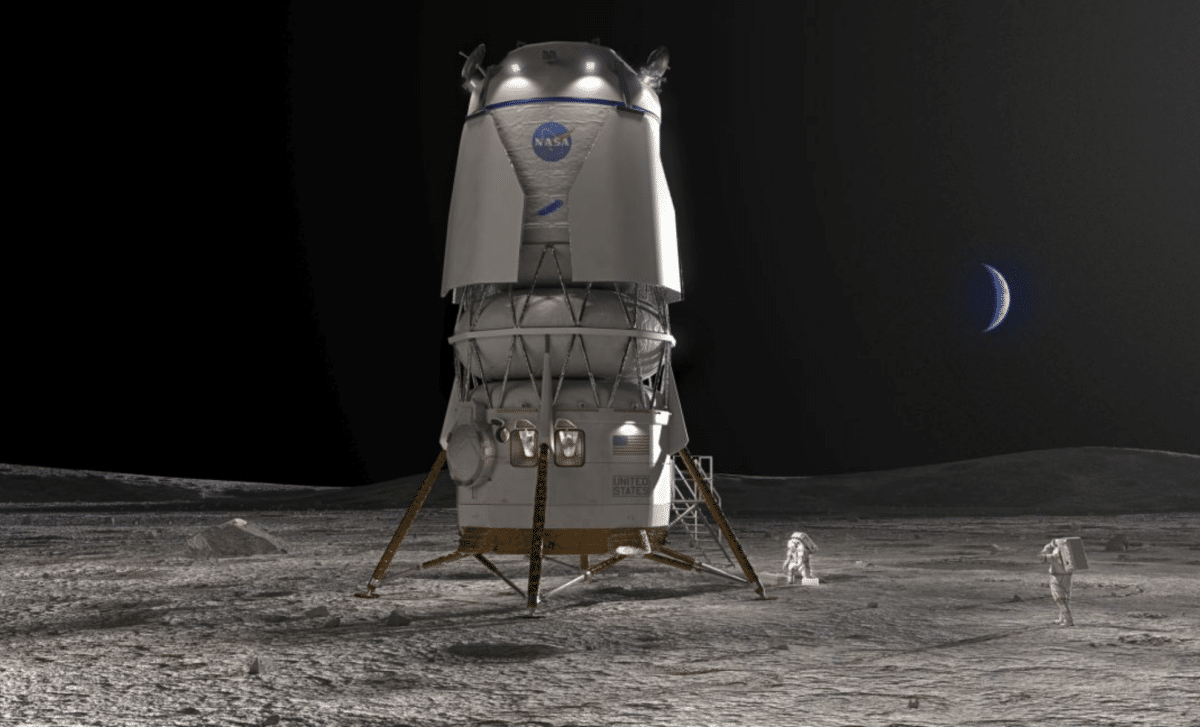
The development of Human Landing Systems (HLS), which will ferry astronauts from orbit to the Moon’s surface, is crucial to Artemis 3. NASA is collaborating with several providers, fostering competition and backup options that could hasten readiness.
How often launches occur—launch cadence—will greatly influence timelines. More frequent flights yield faster learning, richer data collection, and quicker technology validation.
Isaacman emphasized this in his comments.
“We’ll all have a sense of which path we’re going to go down based on launch cadence of our two HLS (human landing system) providers, both of which have launches coming up in the next month or less,” Isaacman said.
This imminent activity indicates that mission design decisions for Artemis 3 may be finalized sooner than anticipated. Real-time data will help NASA establish final architectures and schedules.
Having multiple providers lowers reliance on a single system and strengthens the program’s resilience, a vital factor as NASA pursues more complex lunar missions.
Laying Foundations for a Long-Term Moon Stay
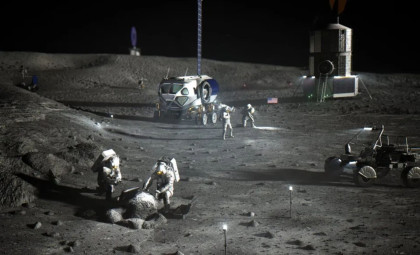
Artemis 3’s objective extends beyond placing humans on lunar soil; it’s part of a grander vision to establish a permanent foothold, including building habitats and infrastructures to support long-duration stays.
Reusability is a cornerstone of this vision. Frequent, dependable flights of heavy-lift launch vehicles are essential for maintaining continuous lunar activity in a cost-effective manner. NASA views this capability as fundamental to its sustained exploration strategy.
Isaacman highlighted this focus directly,
“A big key to our strategy—to not just return to the Moon but to stay and build a base—is the rapid reusability of heavy-lift launch vehicles. The more they get experience doing that, the more options that are available to us for Artemis III.”
This emphasis brings NASA closer in line with commercial spaceflight innovations where reusability has lowered costs and ramped up launch frequency, potentially transforming lunar missions from isolated events into ongoing endeavors.
The success of Artemis 3 will thus act as a foundational demonstration, paving the way for a continuous human presence beyond Earth for decades ahead.
- Categories:
- Nasa


0 comments
Sign in to Comment