
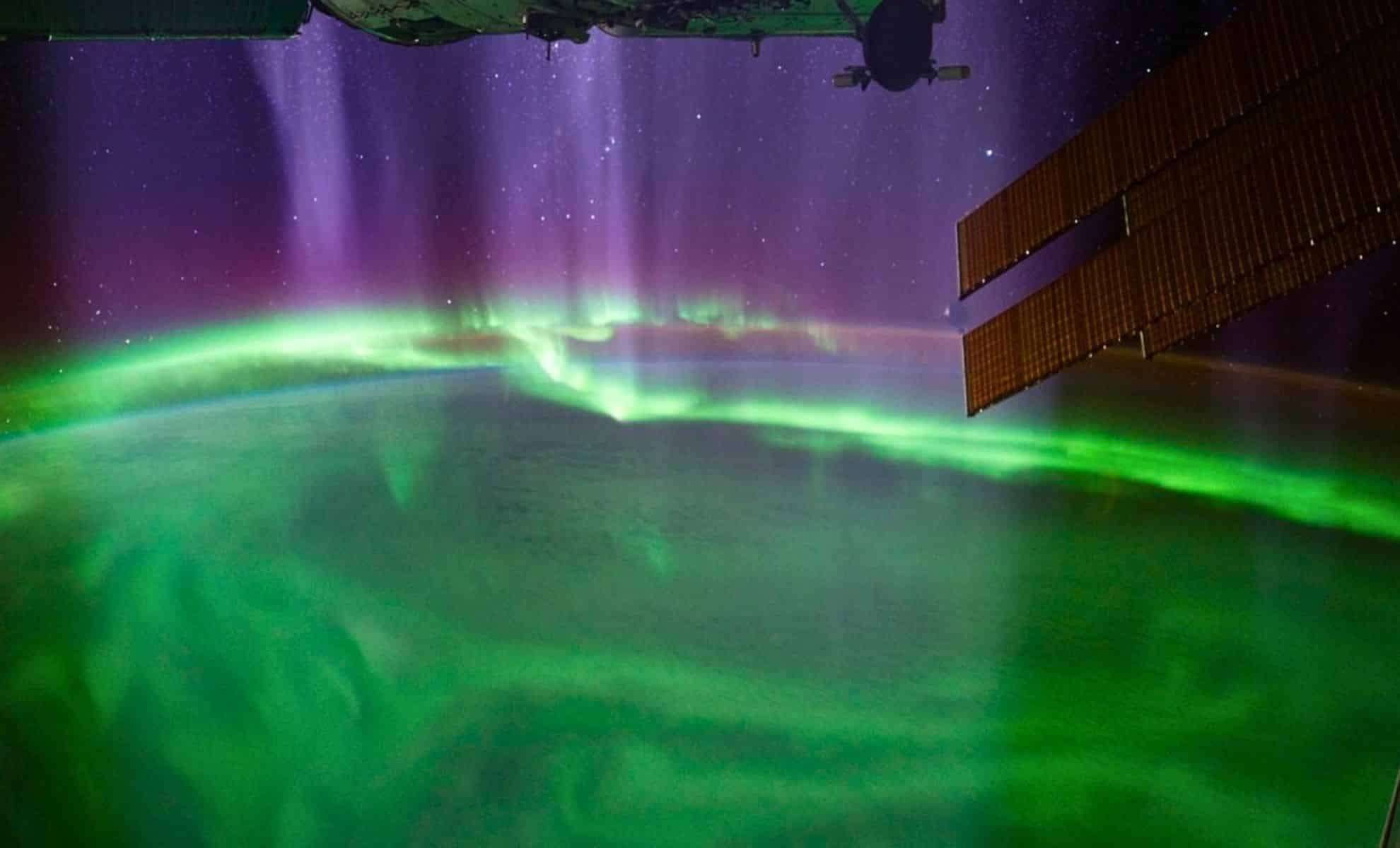
Researchers have uncovered surprising electromagnetic signals in space, known as “chorus waves”. When transformed into sound, these waves produce an eerie melody reminiscent of birdsong. Located more than 100,000 kilometers from our planet, this discovery challenges prior assumptions and could dramatically enhance space weather prediction.
Understanding chorus waves
Chorus waves are electromagnetic fluctuations that travel along Earth’s magnetic field lines. Their sound is a sharp, trilling noise much like a chorus of avian calls. More importantly, these waves are key players in the interaction between Earth’s magnetosphere and charged particles drifting through space.
These waves also influence Earth’s radiation belts, which protect us from intense solar events. However, they can accelerate energetic electrons, often called “killer electrons”, that threaten orbiting satellites and spacecraft by potentially causing malfunctions.

Unexpected detection far from Earth
Before now, chorus waves had only been found near 51,000 kilometers away. A recent investigation led by Beihang University utilizing NASA’s Magnetospheric Multiscale (MMS) satellites has detected these waves at distances exceeding 100,000 kilometers, where their origin was previously thought impossible.
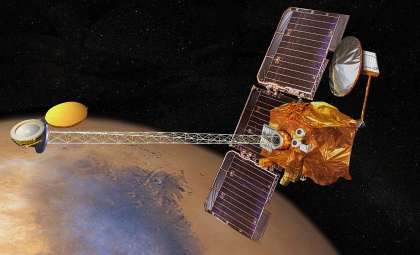
Sailing through space since 2015, the MMS satellites focus on examining distorted areas of Earth's magnetic environment, especially the magnetotail—a stretched-out extension of the magnetosphere facing away from the Sun. Thanks to their advanced sensors, the satellites have recorded these waves in exceptional detail, broadening insights into space plasma behavior.
Implications for space weather
This breakthrough could revolutionize forecasting space weather. Investigating chorus waves well beyond previously known zones may improve predictions on how they affect critical Earth systems like satellites, navigation tools, and communication networks.
Chorus waves have also been noticed near other planets, including Jupiter and Saturn, hinting that such phenomena might be widespread in magnetized areas of our solar system. This opens fresh avenues for understanding plasma physics and enhancing protection for upcoming space explorations against radiation dangers.
The threat posed by killer electrons
Killer electrons are powerful charged particles energized by chorus waves that can severely harm or incapacitate spacecraft and satellites. Their rapid speeds enable them to disrupt vulnerable electronic systems.
These particles mainly populate Earth’s radiation belts, which shield us from solar radiation but create hazardous spots for technological hardware orbiting our planet.
Advancing our grasp of cosmic phenomena
By identifying new generation processes of chorus waves, this research challenges established theories and demonstrates the vital role of innovative space technology. The MMS satellites persist in expanding our knowledge of Earth’s magnetic surroundings and beyond.
This discovery extends beyond theory—it has practical implications for future manned missions to Mars and other destinations. Understanding how space weather influences astronauts and equipment remains essential for mission success and safety.
Source: Nature
- Categories:
- Space






0 comments
Sign in to Comment