
NASA has initiated an innovative mission from Kwajalein Atoll in the Marshall Islands to study elusive high-altitude ionospheric features known as Sporadic-E layers. These temporary ionized cloud formations can disrupt vital communication networks, making their investigation crucial for enhancing radio signal reliability. The project, named the Sporadic-E ElectroDynamics (SEED) mission, aims to analyze these layers' influence on air traffic systems, defense radar, and satellite links—particularly near the magnetic equator where their origins remain unclear. This vital research addresses communication vulnerabilities caused by these atmospheric disturbances, detailed further in NASA’s official article.
Defining Sporadic-E Layers
Sporadic-E layers are transient, cloud-like structures that develop in Earth’s ionosphere, spanning roughly 40 to 600 miles altitude. When present, they interfere heavily with communication signals, causing phenomena such as distant, misleading radar echoes and distorted military signal detection. Air traffic controllers might detect aircraft reflections from unexpected distances, while defense systems encounter deceptive radar “ghosts” or scrambled transmissions.
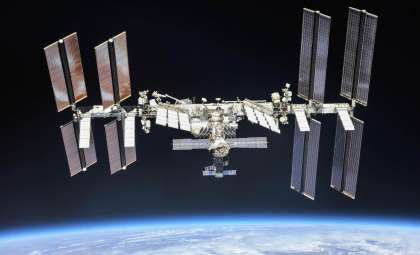
The ionosphere, hosting satellites and the International Space Station, is profoundly affected by solar-driven space weather. These events directly disrupt satellite-to-ground communications, and Sporadic-E layers are a key contributor to such interference.

The Enigma of Equatorial Sporadic-E Phenomena
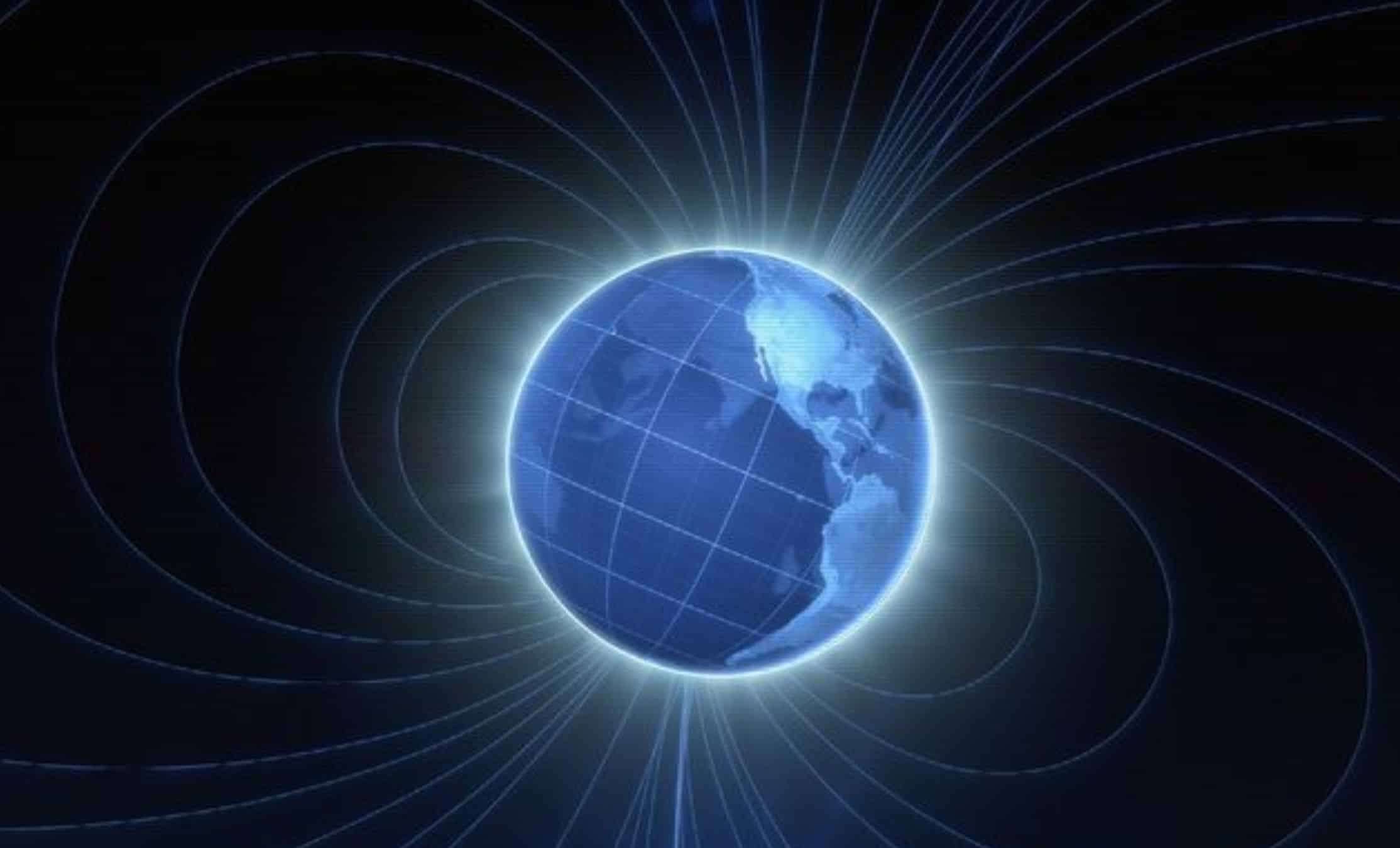
While Sporadic-E formation at mid-latitudes is understood to result from the Earth’s magnetic field funneling ions into compacted layers, their appearance near the equator defies current models. Near the magnetic equator, field lines run parallel to the surface, a condition predicted to inhibit these layers’ creation. Still, these layers sporadically emerge in equatorial zones, a puzzle prompting further examination.
NASA’s choice of Kwajalein Atoll is strategic due to its proximity to the magnetic equator, enabling investigators to uncover why Sporadic-E layers persist in this region contrary to traditional explanations. Insights from this research will advance ionospheric science and challenge existing physical theories.
SEED Mission: Probing Sporadic-E Layers In Situ
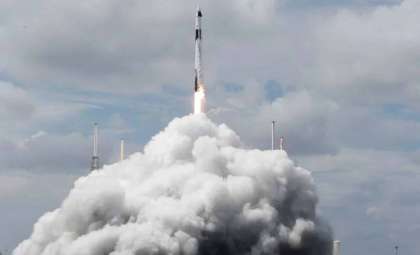
The SEED mission employs sounding rockets—unmanned vehicles equipped with scientific payloads—to traverse the ionosphere and collect direct measurements. Launches are planned over a three-week span beginning June 13, 2025, timed to coincide with favorable conditions for Sporadic-E occurrence. These rockets will measure particle densities, magnetic fluctuations, and other parameters while passing through the ionospheric layers.
As the rockets penetrate these layers, they will deploy vapor tracers visible to ground-based detectors, allowing researchers to map wind dynamics across three dimensions. This data will refine computational models predicting how Sporadic-E layers form and evolve near the equator.
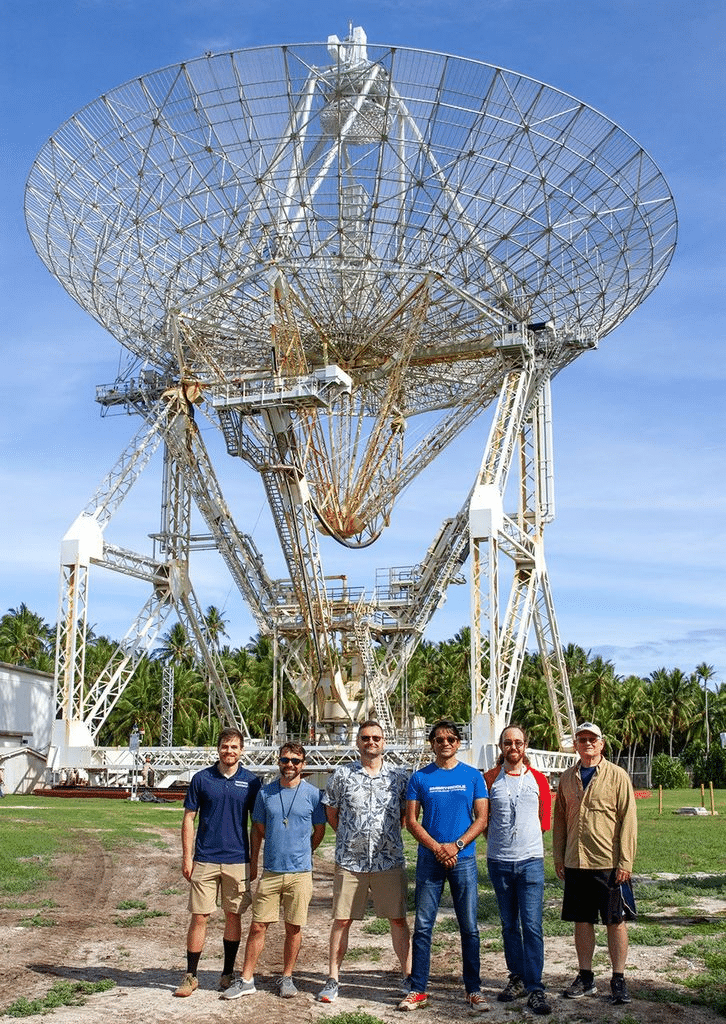
“These Sporadic-E layers are invisible to the human eye and only appear on radar as patchy or widespread formations,” explains Aroh Barjatya, SEED’s lead investigator. This variation complicates their observation and necessitates such targeted instruments.
Unraveling the Physics Behind Sporadic-E Layers
Beyond data collection, SEED aims to deepen understanding of the mechanisms generating Sporadic-E layers. Barjatya emphasizes the importance of this research for forecast improvements: “There is high demand for better predictions of these layers because of their disruptive impact on communication.” The mission focuses on examining low-latitude conditions that defy mid-latitude ionospheric models.
Barjatya notes, “Launching near the magnetic equator allows us to explore ionospheric physics that current theories cannot adequately explain.” Such findings have the potential to redefine existing knowledge and model accuracy regarding ionospheric irregularities.
Enhancing Space Communication Reliability
SEED’s discoveries could transform space communication resilience. As Barjatya points out, “Sporadic-E phenomena are embedded within a complex system hosting critical space assets.” Understanding their behavior is essential for safeguarding both civilian and military satellite communications.
Through improved ionospheric modeling informed by SEED’s data, NASA aims to better anticipate Sporadic-E events and mitigate their effects. This mission's outcomes will support the development of more robust communication frameworks capable of withstanding ionospheric disruptions.
- Categories:
- News




0 comments
Sign in to Comment