
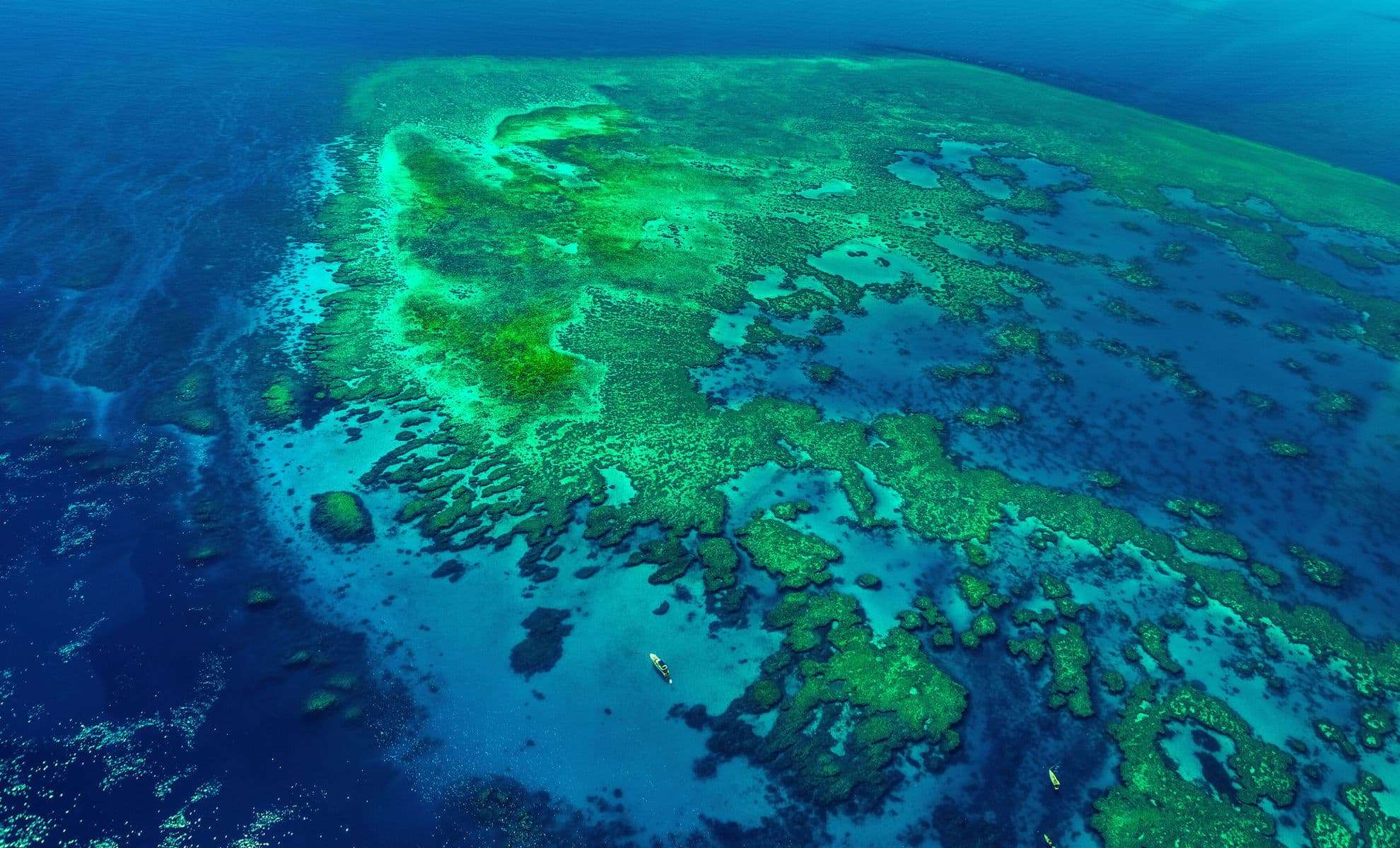
Scientists using NASA satellites have recently observed a vast, glowing turquoise patch extending hundreds of miles off the southern coast of Australia. This spectacular sight, initially resembling a sci-fi phenomenon, is actually a gigantic bioluminescent phytoplankton bloom visible from space. First highlighted by Energy Reporters, the event has drawn considerable attention for its impressive scale and environmental significance.
An Unusual Glow Along Australia’s Southern Waters
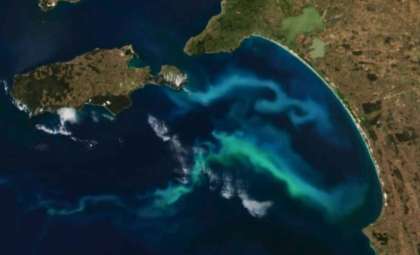
The vivid illumination appeared in the waters between Australia’s mainland and Tasmania, a region known for challenging ocean conditions including strong currents and deep channels. Observations from NASA’s PACE satellite revealed a swirling ribbon of bright turquoise cutting through the sea surface. Scientists utilized the satellite’s Ocean Color Instrument (OCI) to identify the glow as an extensive bloom of phytoplankton, microscopic photosynthetic organisms drifting near the ocean’s surface.
This cluster of phytoplankton contains high quantities of chlorophyll a, the pigment responsible for photosynthesis, which causes the water to glow in brilliant shades visible from space hundreds of kilometers overhead. While this display is visually stunning, it represents a natural and critical ecological event.

Repeated Sightings Confirm a Seasonal Phenomenon
Data from several NASA satellites including Suomi NPP, Terra, and Aqua verify that this glowing bloom was observed during late 2023 and early 2024, revealing a consistent seasonal pattern rather than an isolated incident. Though the luminous spectacle might seem alien, it is a normal, recurring process in Earth’s ocean systems.
Such blooms result from nutrient-rich deep ocean waters, abundant in compounds like nitrogen and phosphorus, rising to the surface—especially near the continental shelf break around 500 feet deep. Once exposed to sunlight within the photic zone, phytoplankton populations surge, producing vibrant patches of ocean coloration and establishing vital hotspots for marine life.
Ecological Impact of the Bloom Under Observation
Oceanographer Jochen Kaempf from Flinders University is closely studying this event. He notes the dense, bright green patterns visible from satellite imagery indicate a concentrated bloom aligned with the shelf edge. Adjacent blue-colored regions in the images may signify other plankton species or suspended sediments stirred by nearshore turbulence.
This thriving phytoplankton bloom plays an essential role in the marine food web. It provides nourishment for numerous marine species along the Bonney Coast, ranging from tiny krill and fish like sardines and anchovies to majestic blue whales. Each year, an estimated 80 blue whales visit this area, attracted by the rich feeding grounds created by these microscopic plants.
Why Monitoring These Glowing Blooms Is Vital
Scientists focus on these phenomena due to their broader environmental importance. Phytoplankton, though minuscule, are responsible for producing nearly half of Earth’s atmospheric oxygen and significantly contribute to climate regulation by absorbing large amounts of carbon dioxide. Their presence is crucial for maintaining planetary balance.
With cutting-edge satellite technology such as PACE, researchers can now observe these blooms with unprecedented clarity from above. While often difficult to detect at sea level, satellite imagery offers crucial insights into global biochemical cycles and the interconnectedness of life, showcasing how tiny organisms in the ocean can influence the planet’s climate and ecosystems on a vast scale.
- Categories:
- News









0 comments
Sign in to Comment