
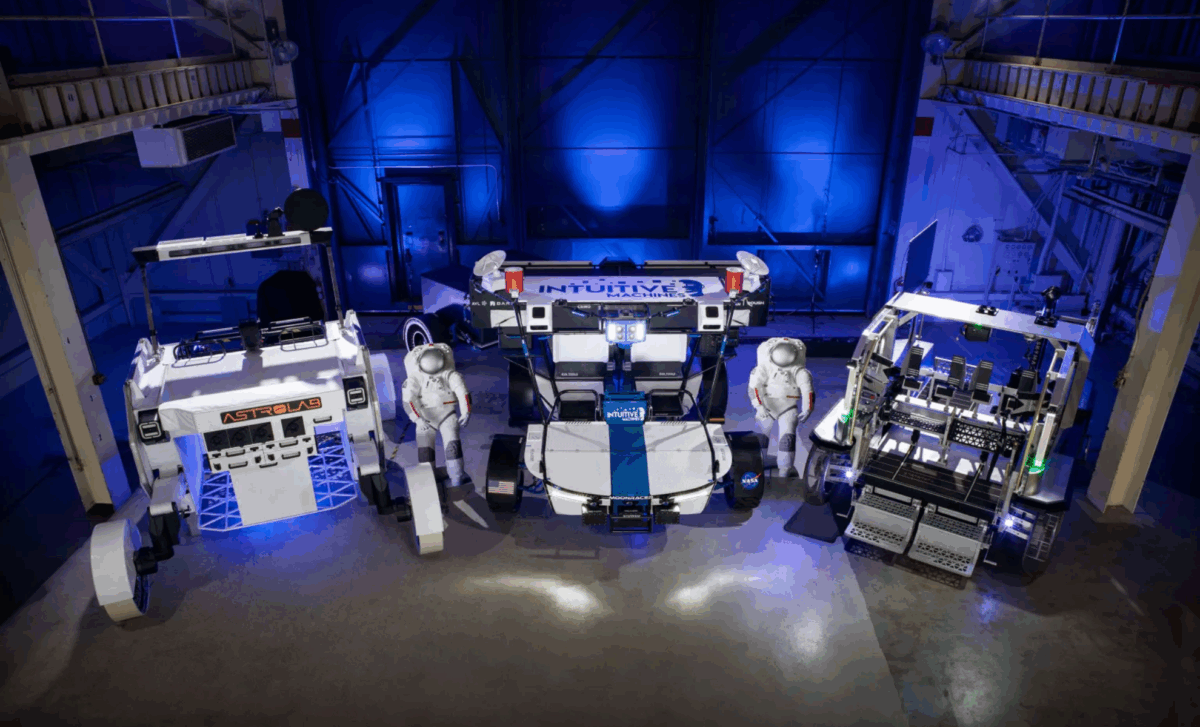
NASA’s Artemis initiative is advancing towards a thrilling new phase, anchored by the creation of innovative lunar rovers. These state-of-the-art vehicles will enhance astronauts’ ability to navigate and conduct operations on the Moon’s surface. Multiple companies are competing to deliver these sophisticated machines, raising the bar for lunar exploration technology. Recent developments reveal promising prototype models, signaling a significant advancement in mankind’s space endeavors.
Developing the Future Fleet of Lunar Rovers
The contest to produce NASA’s upcoming lunar rovers is intensifying. As the Artemis program advances with plans to return humans to the lunar surface, the need for robust, reliable, and adaptable vehicles has become critical. These rovers will facilitate transportation across the Moon’s challenging landscape, carrying vital gear and resources to support astronauts’ scientific work. Built to endure extreme temperature fluctuations up to 300°F, these vehicles represent a key technological breakthrough essential to mission success.
Steve Munday, the Lunar Terrain Vehicle (LTV) project lead, shared his excitement regarding the current progress:

“We are excited to have mockups from all three LTV commercial providers here at Johnson Space Center. This is the first major test milestone within the Lunar Terrain Vehicle Services contract and to have actual rovers delivered only four months after these companies were awarded is remarkable.”
This swift development highlights a bright future for NASA’s lunar exploration goals, as several private firms advance their rover technologies and hit key milestones.
NASA’s Long-Term Lunar Strategy
The Artemis mission goes beyond simply placing astronauts on the Moon; it aims to build a lasting human foothold on the lunar surface. This foundation will support future expeditions to Mars, with dependable transportation playing a vital role. NASA plans a series of missions that depend on rugged and flexible rovers to help astronauts traverse the uneven terrain, navigate around craters, and scale rocky slopes while transporting scientific instruments and samples back to their landers.
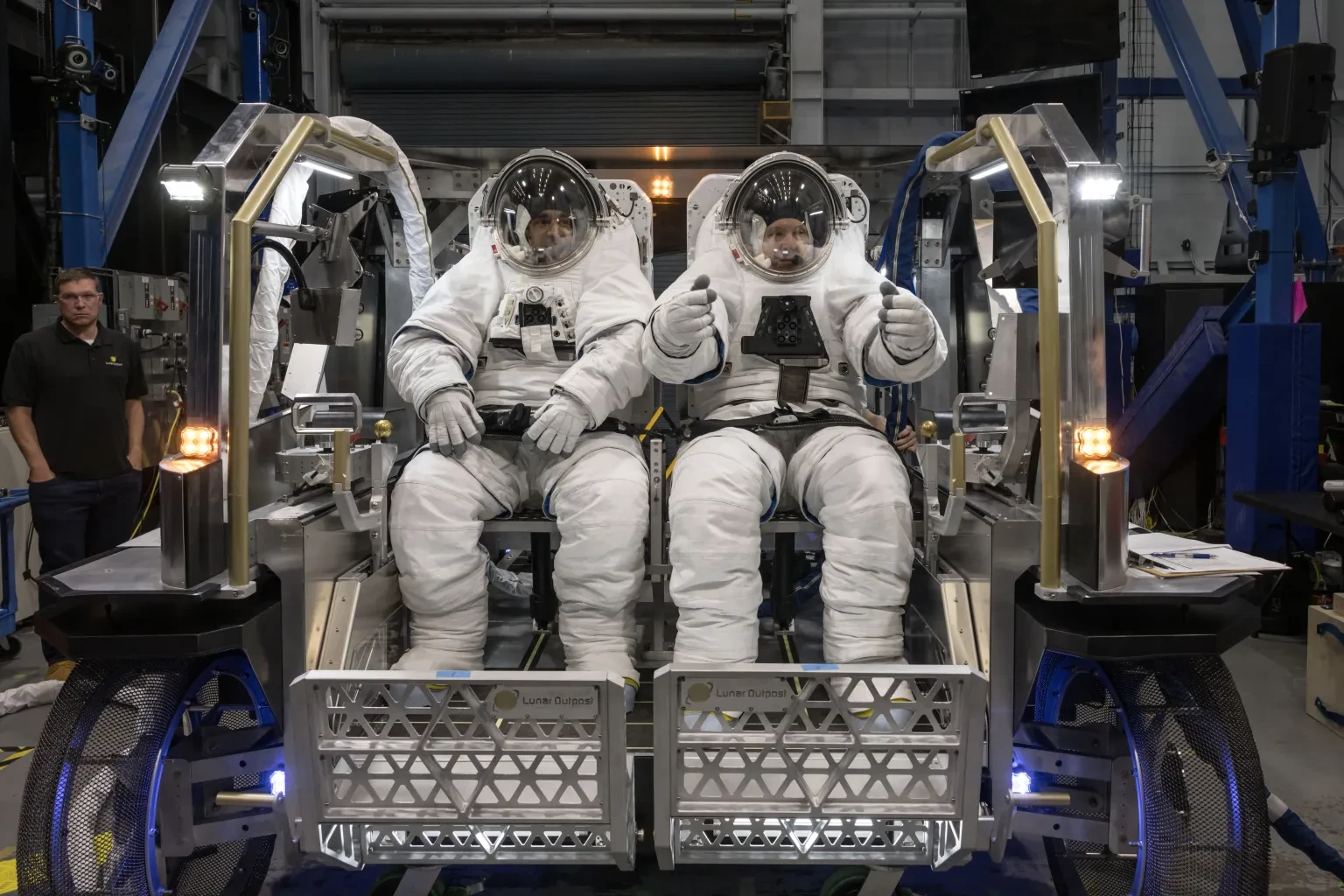
These rovers will incorporate cutting-edge technologies tailored to survive harsh Moon environments. Enhanced mobility systems will enable astronauts to explore larger territories, while built-in labs and storage compartments will support extended missions. Additionally, these rovers will serve as experimental platforms, expanding our scientific knowledge of the lunar landscape and space.
Who’s Building the Future Moon Rovers?
The Lunar Terrain Vehicle (LTV) Services contract has attracted three ambitious private companies eager to partner with NASA’s vision. The contenders offer diverse rover designs, ranging from rugged vehicles built for all-terrain travel to highly sophisticated, tech-packed machines that go beyond simple transportation. NASA’s strict standards require high mobility, energy efficiency, and the ability to operate reliably under intense lunar conditions.
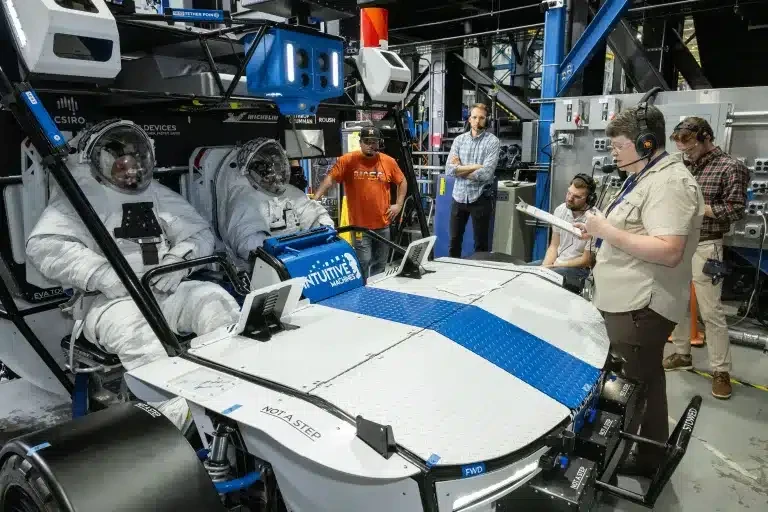
Working hand-in-hand with NASA, each company is refining rover designs to fulfill scientific aims and safeguard astronauts. The innovations emerging may dramatically transform space exploration and scale up for future planetary missions. This collaboration between NASA and commercial ventures marks a new chapter in exploration, blending government expertise with private sector innovation to reach remarkable milestones.
Paving the Path to Mars and Farther
Though these rovers are integral to the Artemis mission, they also serve as a stepping stone towards bolder goals. Insights gained from lunar operations will guide NASA’s ambitions to send humans to Mars. The rovers designed for the Moon will yield crucial data for developing vehicles capable of surviving the more extreme Martian environment. Thus, today’s lunar rover technologies may become key tools in humanity’s journey beyond our planet.
Steve Munday underscored the urgency behind the rapid development pace: “To have actual rovers delivered only four months after these companies were awarded is remarkable.” Maintaining this momentum is essential as NASA strives to establish a long-lasting human presence on the Moon while preparing for deep-space exploration.
- Categories:
- Nasa









0 comments
Sign in to Comment