
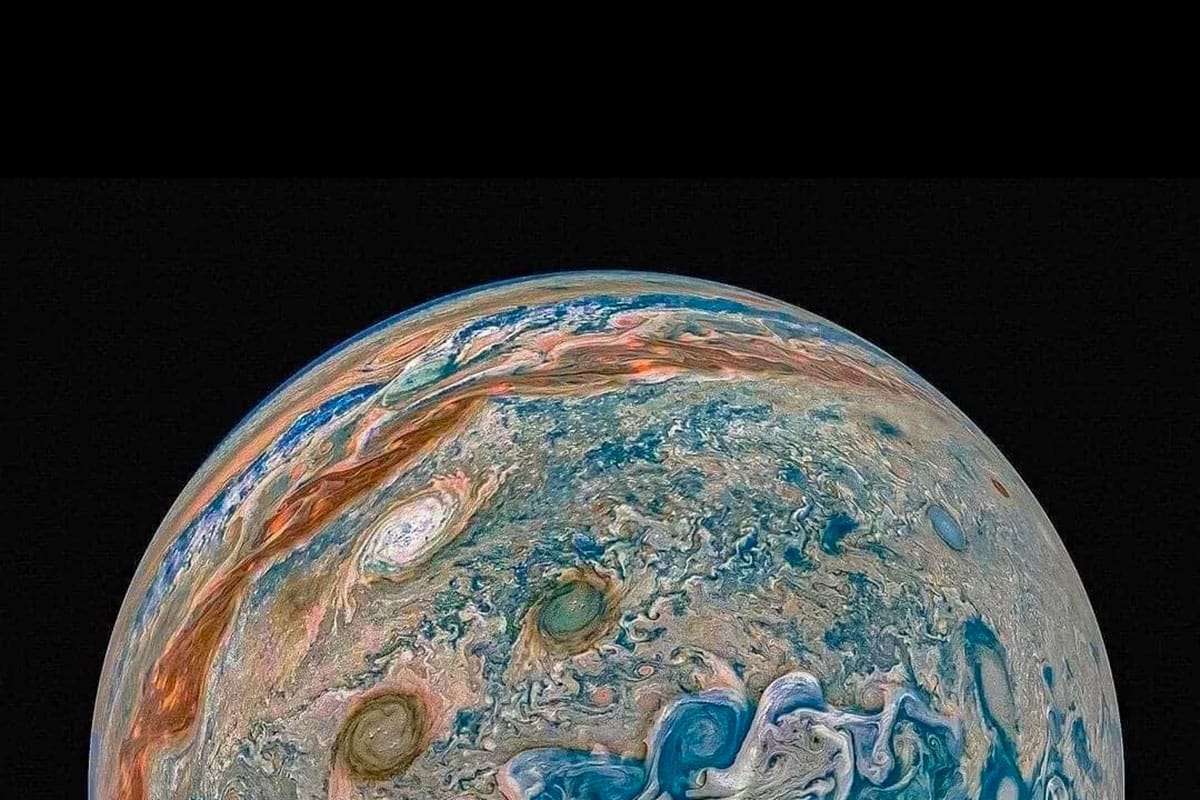
NASA’s Juno spacecraft is dedicated to uncovering the mysteries beneath Jupiter’s thick atmosphere. Since reaching the planet in 2016, Juno has delivered unprecedented insights into the giant’s internal structure, atmospheric layers, and magnetic environment. Marissa Vogt, a scientist involved in the project, highlighted how these observations are vital for piecing together Jupiter’s origins and developmental history.
Equipped with sophisticated tools, Juno has enabled scientists to:
- Map the intricacies of Jupiter’s gravitational field
- Examine the chemical makeup of its atmosphere
- Explore the complexity of its magnetic forces
- Monitor the planet’s intense auroral displays
These achievements have broadened our comprehension of not only Jupiter itself but also gas giants as a class. Much like the transformative impact of the Hubble Space Telescope on galactic research, Juno is pioneering our exploration of the solar system’s outer realms.

The Enigmatic Dolphin Shape in Jupiter’s Clouds
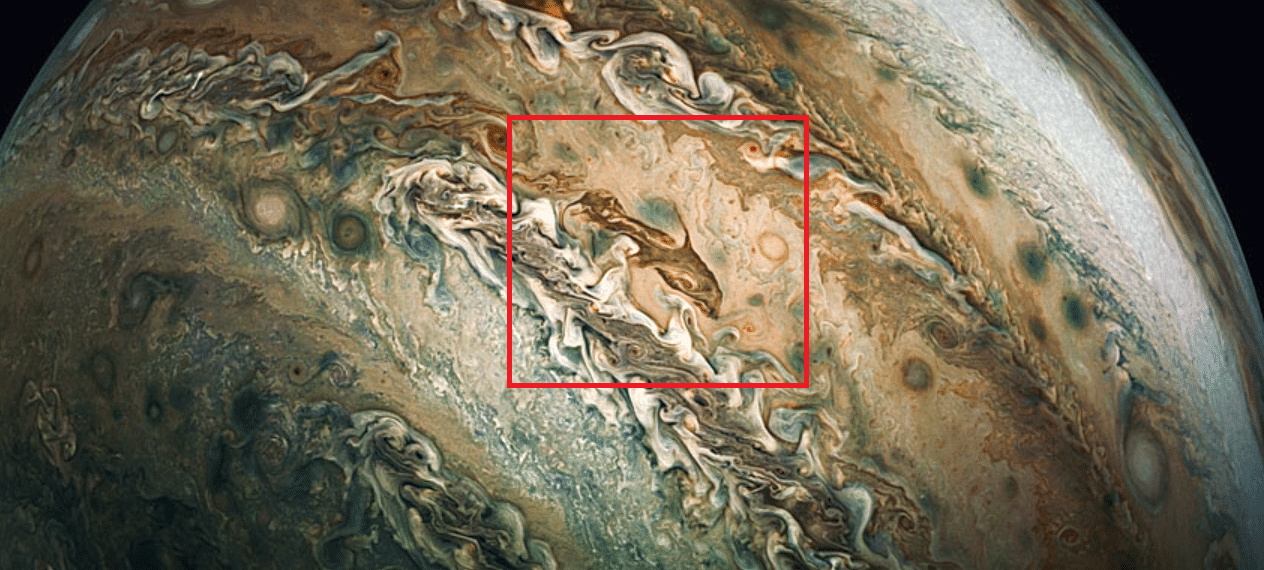
Among Juno’s many breathtaking images, one stands out for its resemblance to a dolphin gliding through Jupiter’s southern temperate belt. This unique cloud pattern has captivated both researchers and enthusiasts alike, sparking curiosity and imagination.
This illusion is a classic example of pareidolia—the psychological phenomenon where the brain interprets random visual data as familiar images. While such effects are common in Earth’s skies, encountering them on a distant planet adds an element of cosmic charm to our observations.
The so-called “celestial dolphin” arises from a cluster of tremendous storms on Jupiter. Yet, Jupiter’s incredibly active atmosphere means this shape may have only existed briefly, potentially vanishing shortly after Juno snapped the photo. This fleeting appearance underscores Jupiter’s ever-changing nature and the importance of continual surveillance.
Jupiter’s Atmosphere: A Dynamic Masterpiece
Jupiter’s gaseous envelope is an intricate system of swirling winds and colossal storms. Spanning 142,984 kilometers, this massive world is mainly made up of:
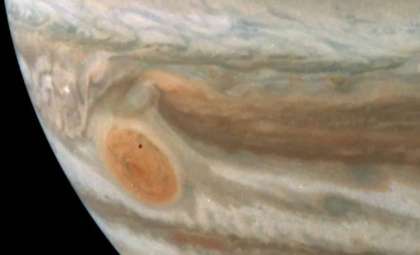
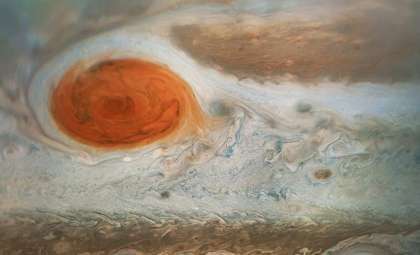
This combination results in an extremely volatile atmosphere featuring enormous storms and fierce winds. The iconic Great Red Spot is the most prominent of these, a vast anticyclone persisting for centuries.
The interactions within Jupiter’s atmosphere create a constantly evolving landscape of cloud patterns and storm systems. This constant motion generates spectacular imagery but also makes scientific observations challenging. The transient nature of formations like the “dolphin” highlights the need for ongoing observation and the valuable data returned by missions such as Juno.
Deepening Knowledge of Giant Planets
Insights from Juno have greatly advanced our understanding of giant planets. By studying Jupiter in detail, scientists gain clues about how similar planets form and evolve, both in our solar neighborhood and around distant stars. Key discoveries resulting from Juno’s data include:
- A more intricate and powerful magnetic field than previously recognized
- Evidence suggesting Jupiter’s core is larger and less defined than once thought
- Atmospheric processes extending deeper beneath the cloud tops than expected
- Intensity and variety in Jupiter’s auroras surpassing Earth’s northern and southern lights
These findings reshape our perception of Jupiter and contribute broadly to planetary science. As exploration continues, missions like Juno represent vital milestones in humanity’s efforts to understand the cosmos.
The dolphin-shaped cloud formation captured by Juno beautifully illustrates the marvels that space exploration can uncover. It highlights the remarkable capabilities of current space missions and hints at the remarkable phenomena yet to be discovered in our solar system and beyond. With ongoing advances, the universe continues to promise astonishing sights and transformative knowledge.
- Categories:
- Nasa





0 comments
Sign in to Comment