
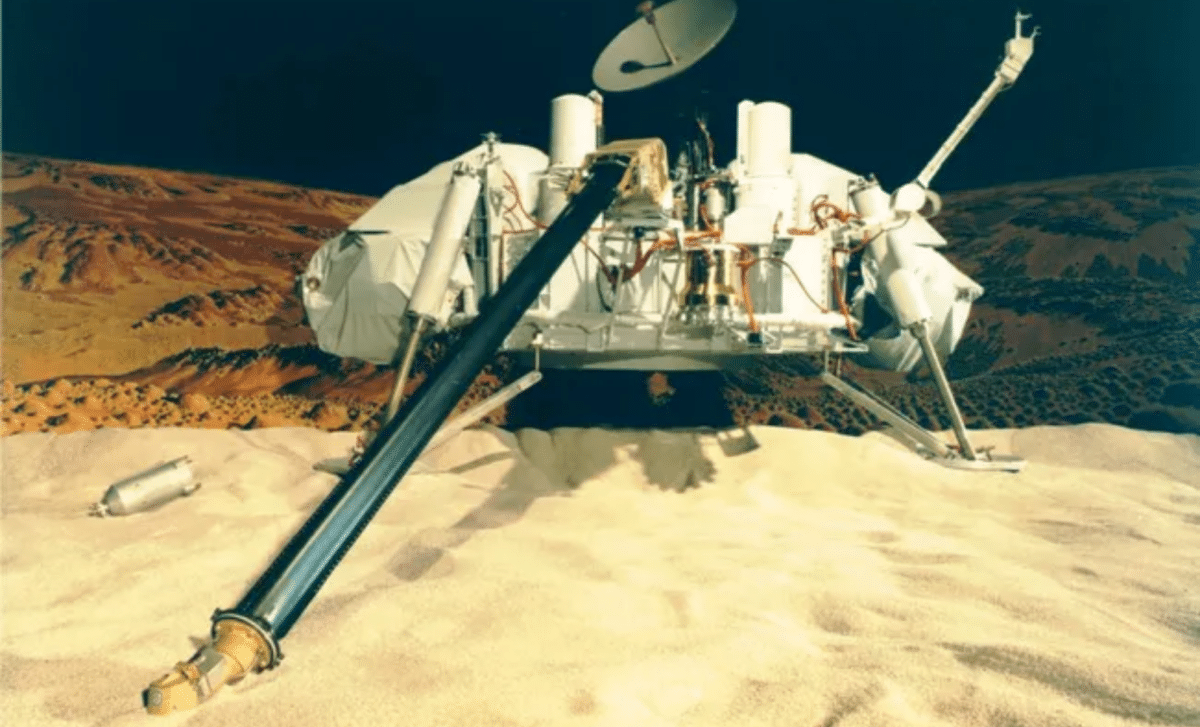
Half a century ago, NASA’s Viking missions to Mars pioneered the search for extraterrestrial life on the Red Planet. Initially, the missions were interpreted as providing no evidence of life. However, a recent study in Astrobiology challenges that view, proposing that the Viking landers may indeed have uncovered signs of life—had the data been analyzed through a different lens. Researchers, including Dr. Benner and his team, highlight a significant detail that could transform our perspective on Viking’s legacy and Mars’ habitability.
Exploring Mars: The Viking Missions’ Historic Endeavor
Launched in 1976, NASA’s Viking 1 and Viking 2 probes became the first spacecraft to perform surface landings on Mars, outfitted with instruments tasked with detecting biological signatures. Among these was the Gas Chromatograph-Mass Spectrometer (GC-MS), designed to identify organic compounds—essential ingredients for life.
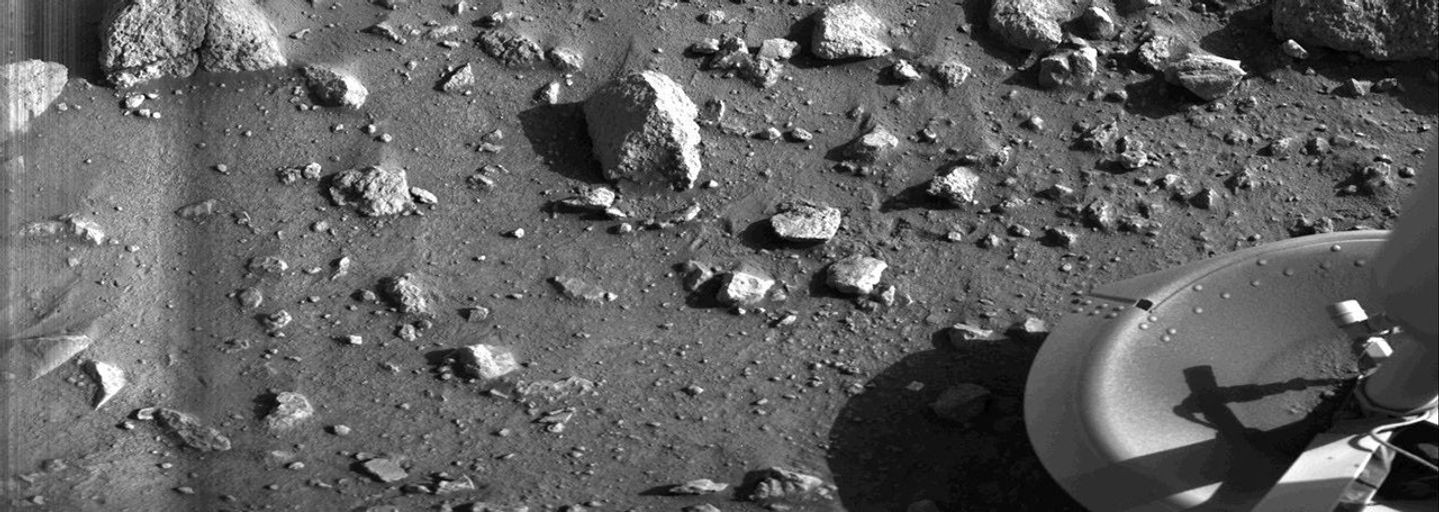
Originally, Viking’s life-detection experiments yielded ambiguous results interpreted as evidence of a lifeless Mars. Although the Label Release experiment hinted at microbial activity, the absence of detected organic molecules led project scientist Gerald Soffen to conclude, “No bodies, no life.” Yet, recent advances in Martian science suggest the original conclusions may have overlooked crucial factors.

Organic Molecules Reexamined: A Paradigm Shift
Reevaluating the GC-MS data has sparked a breakthrough. Dr. Benner notes, “The GC-MS was thought to show no organics, but new research reveals there was a misinterpretation.” The updated perspective suggests the instrument did detect organic molecules, although these compounds had degraded and were therefore initially unrecognizable.
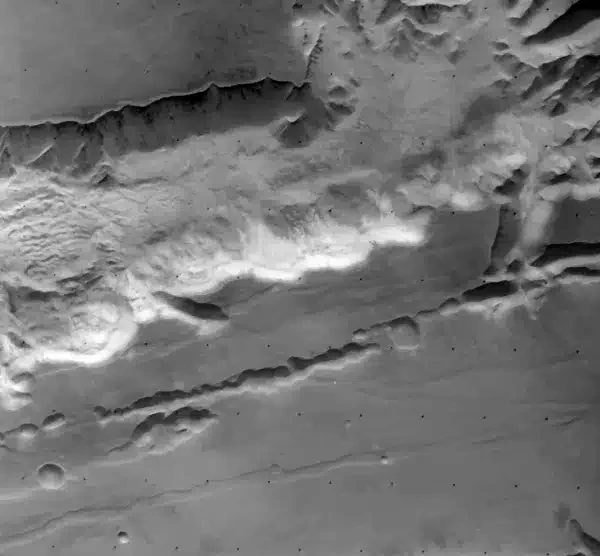
This revelation is closely linked to the 2008 discovery of perchlorates on Mars—highly reactive chemicals that can destroy organic matter upon heating. This explained why Viking’s instruments missed native organics: perchlorates altered the molecules during analysis. Benner explains,
“In 2010, Rafael Navarro-González [a NASA astrobiologist] showed that organics plus perchlorate produces methyl chloride and carbon dioxide.” This reaction, which was previously unrecognized, helps explain the mysterious chemical signature observed in Viking’s data.
Understanding Perchlorates: The Missing Link to Organic Detection
The Viking experiments involved heating Martian soil samples to liberate organic molecules. Instead, they produced unexpected bursts of carbon dioxide and methyl chloride. Early theories suggested contamination or unknown chemical reactions, but perchlorates present on Mars provide a convincing explanation.
“So now we know that the GC-MS didn’t fail to discover organics — it did discover them, through their degradation products,” said Benner.
This insight revolutionizes how Viking results are viewed, suggesting the spacecraft detected indirect evidence of organic compounds, potentially linked to microbial life signatures. This discovery invites a reexamination of past data and encourages future missions to build upon these findings.

Reinterpreting Viking’s Impact: Shifting the Scientific Narrative
The established viewpoint for decades held that Viking missions found no signs of Martian life (link). This stance influenced educational resources and scientific consensus, effectively halting further debate. However, Benner’s recent work published in Astrobiology challenges this orthodoxy, suggesting Viking may have detected life forms previously unrecognized.
This evolving viewpoint undermines the notion that Martian microbial life is purely speculative, making it a viable hypothesis that warrants additional investigation and targeted missions.
Introducing the BARSOOM Theory: A Martian Microbial Hypothesis
To explain possible microbial survival on Mars, Benner’s team proposed the BARSOOM model—Bacterial Autotrophs that Respire with Stored Oxygen On Mars. This concept theorizes organisms producing oxygen and sustenance via photosynthesis during daylight, storing oxygen for metabolism through the dark, frigid Martian nights. This accounts for oxygen release patterns recorded during Viking’s Gas Exchange experiment.
BARSOOM offers a compelling framework to interpret Viking’s puzzling results and shapes new paths for Mars exploration. If such lifeforms exist, it highlights the remarkable resilience of life to endure Mars’s extreme environment.
- Categories:
- Space






0 comments
Sign in to Comment