
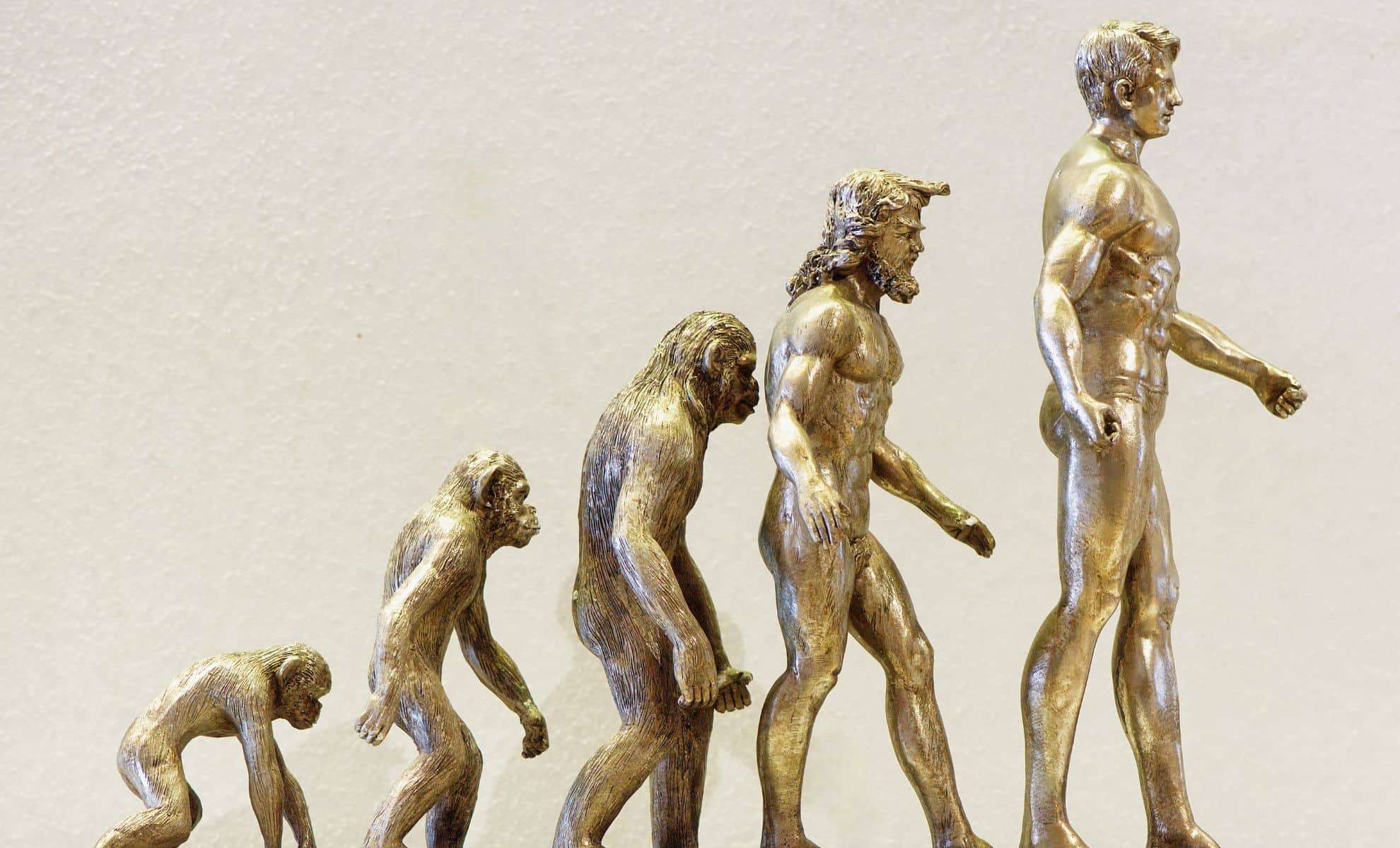
For more than a hundred years, the transformation of mammals from sprawled, reptile-like creatures to poised, upright movers has fascinated scientists. This transition to an upright gait signaled a crucial turning point in mammalian evolution. Recent findings, however, have unveiled unexpected complexities in this evolutionary tale.
An Unexpected Path in Evolution
A recent study led by Dr. Robert Brocklehurst at Harvard University reveals that the journey toward upright posture in mammals was anything but straightforward. Instead of a simple progression from sprawling through semi-upright to fully upright, early mammals experienced a series of surprising evolutionary shifts. Brocklehurst, a former postdoc from Harvard’s Department of Organismic and Evolutionary Biology (OEB), pointed out that although mammalian evolution has long been seen as a gradual stepwise change from sprawling to erect postures, their research paints a more intricate, non-linear evolutionary picture.
Rather than a continuous transition, their work uncovered "bursts of innovation" throughout mammalian history, where distinct ancestral groups experimented with varying locomotor postures—some approximating today’s upright stance and others more sprawling. These insights indicate that mammalian evolutionary pathways were more varied and exploratory than previously recognized.

Advanced Techniques Reveal New Insights
The team applied novel analytical methods to study fossilized humerus bones. They examined more than 60 non-mammalian synapsids—early relatives of mammals—and over 140 extant species including mammals, reptiles, and amphibians. By creating detailed three-dimensional maps of each bone’s surface, they gathered data on length, biomechanical mass distribution, muscle leverage potential, and torsion (the degree of twisting along the bone’s length). These bone features are critical indicators of an animal’s locomotor style and posture, enabling scientists to deduce how ancient species moved.
Utilizing state-of-the-art technology developed in Professor Stephanie Pierce’s Harvard lab, the researchers compared the fossil data with living animals. Their findings challenge the conventional view of mammalian posture evolution as a simple, gradual transition. Instead, they propose that adopting a fully upright gait occurred far later during mammalian history than was previously assumed.
Early Synapsids Displayed Distinct Limb Mechanics
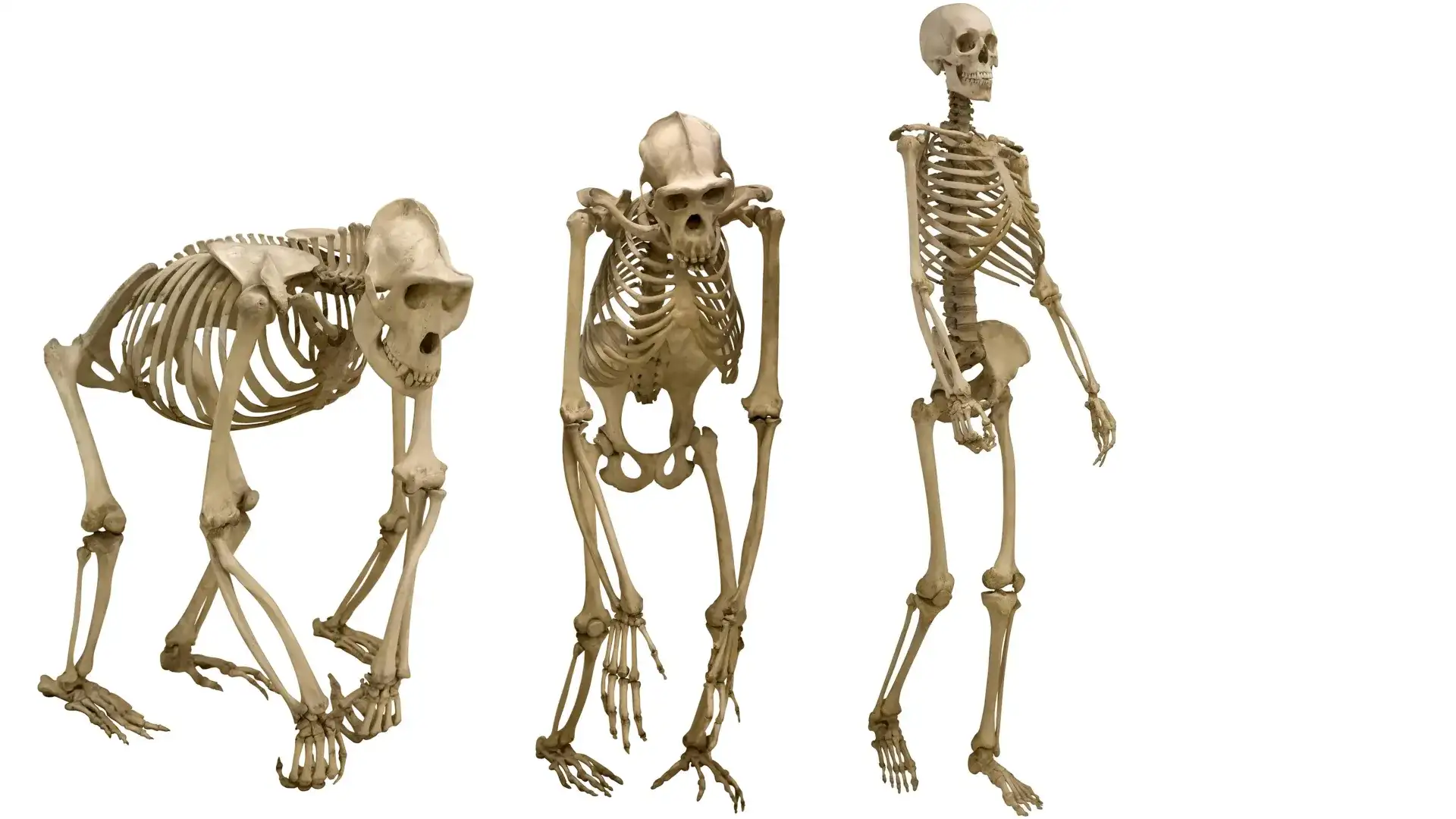
The study also highlights that early synapsids—long believed to move like sprawling reptiles—actually demonstrated limb functionalities quite distinct from those of modern lizards or crocodilians. This evidence contradicts the enduring belief that early synapsid limb postures mimicked those of present-day reptiles.
Co-author Kenneth Angielczyk from the Field Museum in Chicago explains, “Most synapsid limbs operated differently than those of living reptiles. They were not mere copies; these animals possessed unique limb mechanics unlike anything seen in today’s fauna.”
Upright Walking Emerged Later Than Anticipated
Perhaps the most startling discovery centered on a fossil closely related to modern marsupials and placental mammals. Its bone structure indicated that adopting a fully upright, or parasagittal, posture was a relatively recent development, challenging the previous assumption that upright walking was an inherent early trait in mammalian evolution.
Professor Pierce, who curates Vertebrate Paleontology at the Museum of Comparative Zoology, emphasizes, “The evolution of upright locomotion occurred as a late-stage innovation.” This research presents strong support for the idea that this key evolutionary characteristic took place much later in mammalian history than earlier theories suggested.
- Categories:
- News






0 comments
Sign in to Comment