
On September 11, 2022, NASA marked a major milestone in planetary defense with the Double Asteroid Redirection Test (DART), after its spacecraft traveled more than 5 million miles before intentionally colliding with the asteroid Dimorphos. This groundbreaking experiment, executed in partnership with the Italian Space Agency (ASI), aimed to demonstrate how a spacecraft could alter an asteroid's path to protect Earth from future impacts. The mission’s results were recently published in the Planetary Science Journal on August 21, revealing critical data garnered from both the impact and the follow-up observations made by the LICIACube satellite.
LICIACube’s Crucial Contribution to the Mission
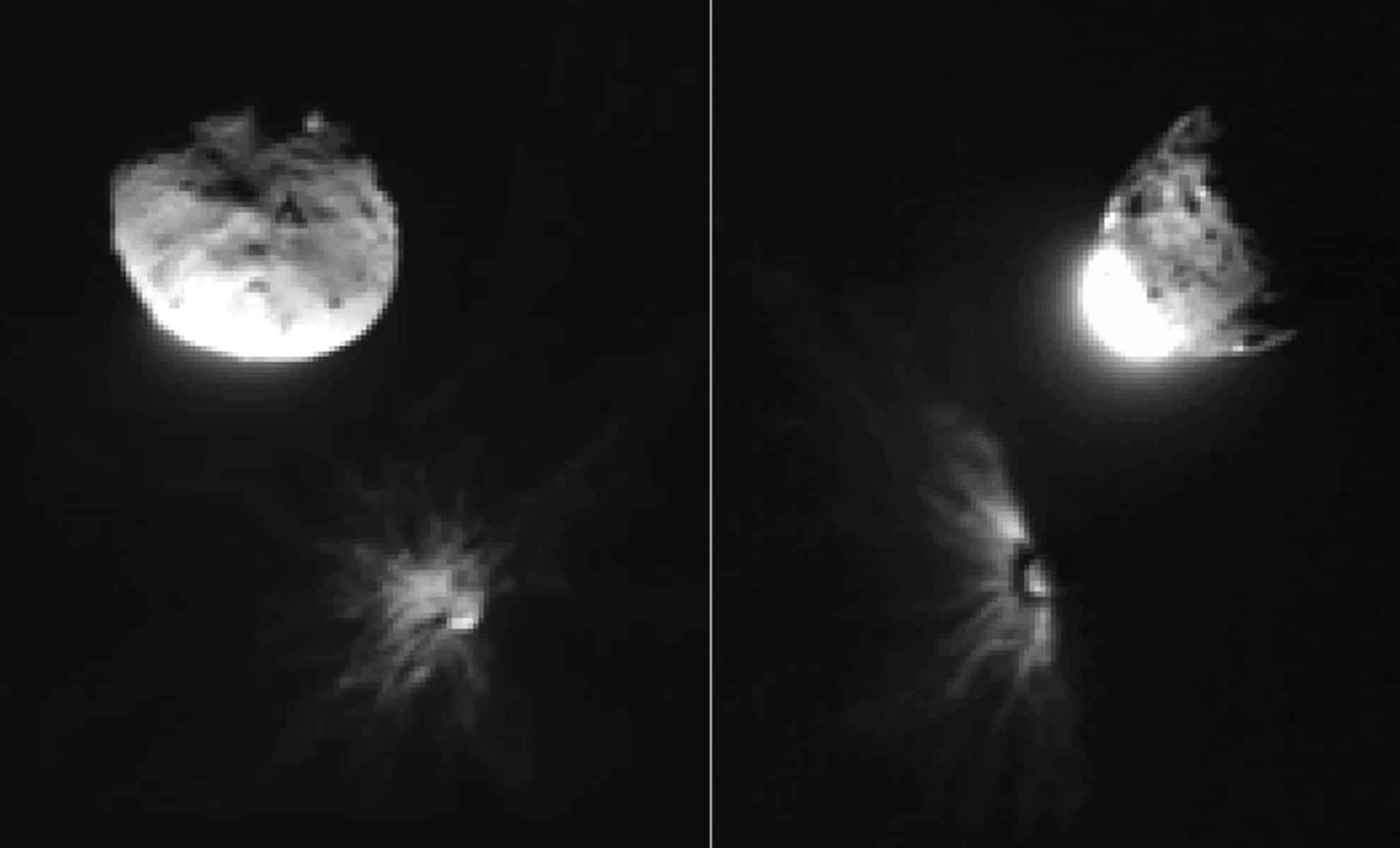
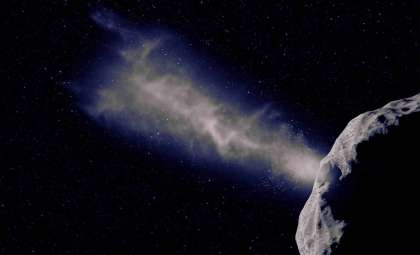
The mission’s success relied heavily on the miniature satellite LICIACube, which was tasked with capturing unprecedented close-range images of the asteroid after impact. Merely 15 days following the collision, LICIACube zoomed past Dimorphos at a staggering 15,000 miles per hour, photographing the debris cloud emitted from the asteroid’s surface. These rapid encounters delivered critical insights into the short-term aftermath of asteroid collisions.
LICIACube’s imaging system captured the debris plume from multiple perspectives. Observing how sunlight filtered through the ejecta enabled researchers to determine that the plume mainly contained larger fragments measuring about a millimeter or greater, which reflected less light than finer dust particles. This perspective added a vital layer of information that ground-based and distant space observations could not provide. NASA Goddard scientist Ramin Lolachi likened the ejecta plume to “a short burst from a rocket engine,” highlighting the immense force driving Dimorphos’ altered trajectory.

How Debris Ejection Amplified Dimorphos’ Orbit Shift
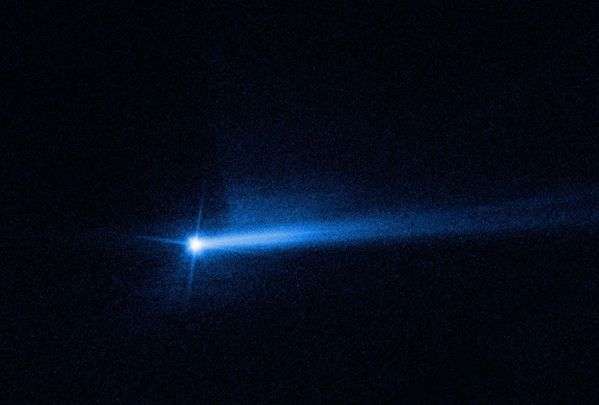
One of the most unexpected discoveries from the DART mission was the significant impact the debris cloud had on Dimorphos’ motion. While the spacecraft's collision delivered a powerful strike, it was the mass ejection—millions of pounds of rocks and dust—that provided an even greater thrust, propelling the asteroid onto a new trajectory. This expelled material generated a force far exceeding that of the direct spacecraft impact.
Experts estimate the debris cloud contained roughly 35.3 million pounds (16 million kilograms) of ejected matter—less than half a percent of Dimorphos' total mass—but it was enough to shift the asteroid's orbit by 33 minutes. These insights, coming from data collected by LICIACube and other instruments, emphasize the promise of spacecraft deflection strategies. Dave Glenar, a planetary scientist from the University of Maryland, Baltimore County, noted, “Many near-Earth asteroids are structurally similar to Dimorphos, so understanding the debris effect is essential when planning future asteroid redirection missions.”
Unveiling Hidden Mass and Asteroid Interior Complexity
The densest parts of the debris plume escaped direct observation due to their opacity, obscuring almost half of the ejected mass from LICIACube’s cameras. Scientists applied modeling techniques, drawing parallels with the rubble-pile asteroid Bennu examined by NASA’s OSIRIS-REx mission, to estimate that approximately 45% of the plume’s mass was concealed within the core.
This hidden mass finding highlights the intricacy involved in predicting asteroid responses to impact deflection attempts. Timothy Stubbs of NASA Goddard, who participated in the research, emphasized the importance of factoring in this unseen material when forecasting how a collision influences an asteroid’s trajectory. Better understanding of the entire ejecta quantity will allow future missions to more effectively safeguard our planet from hazardous near-Earth objects.
- Categories:
- News







0 comments
Sign in to Comment