
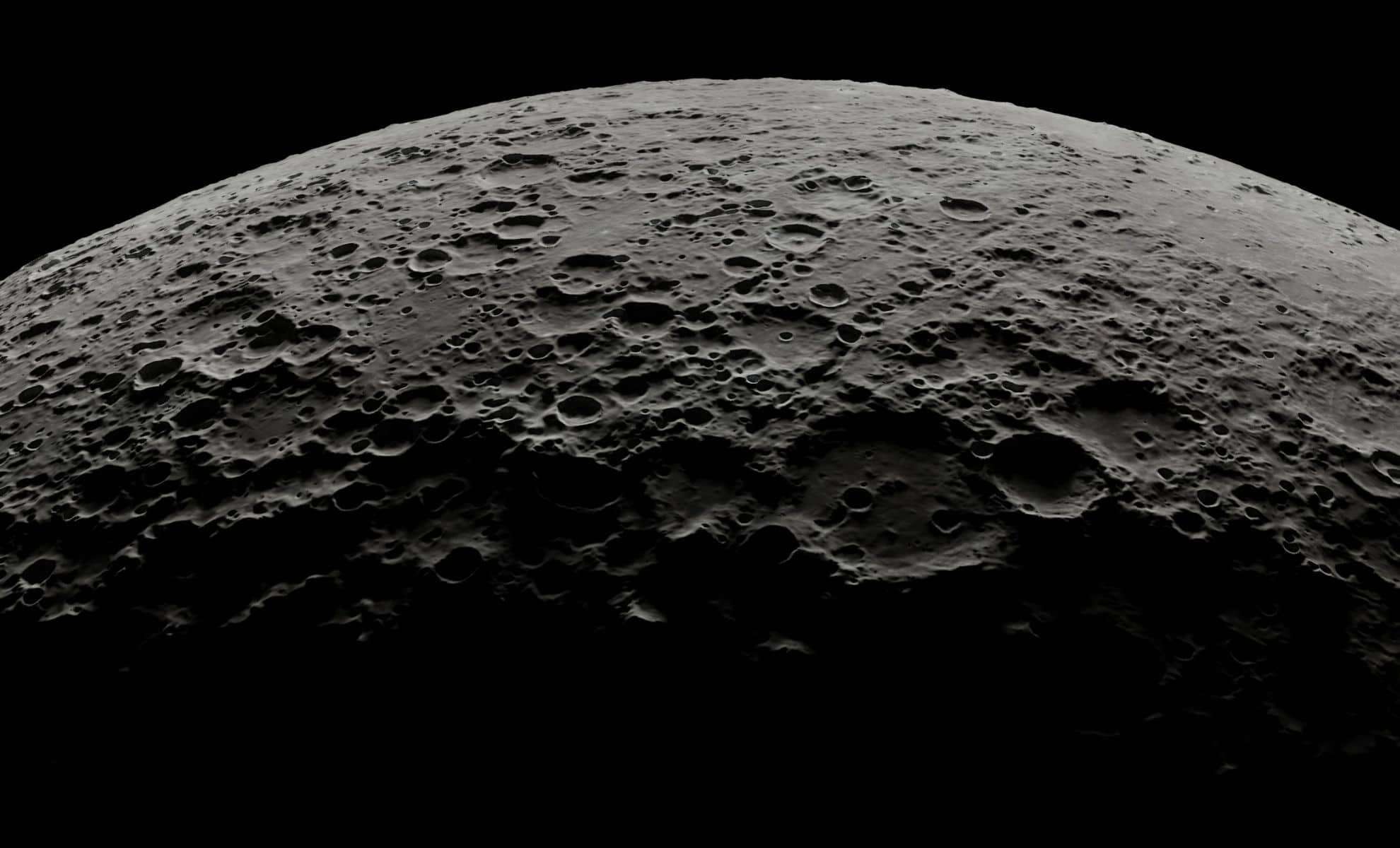
A recent investigation by experts from MIT and the University of Chicago has demonstrated that the Moon’s faint atmosphere, referred to as the exosphere, is predominantly maintained through continuous meteorite impacts.
Published in Science Advances, this study delivers vital information about the mechanisms influencing the Moon’s atmospheric evolution over billions of years.
Meteorite-Induced Vaporization Drives the Lunar Atmosphere
By examining lunar soil samples obtained during NASA’s Apollo expeditions, researchers concluded that impact vaporization is the principal contributor to the lunar exosphere. This phenomenon arises when meteorites strike the Moon’s surface, causing elements from the regolith to vaporize and enter the surrounding atmosphere. Nicole Nie, lead author and assistant professor at MIT, stated, “Our findings conclusively show that meteorite impact vaporization is the leading process forming the Moon’s atmosphere.”

Throughout the 4.5-billion-year history of the Moon, its surface has endured constant meteorite bombardment. Initially, large meteorites dominated these collisions, but in more recent times, tiny dust-like micrometeoroids have become the primary players.
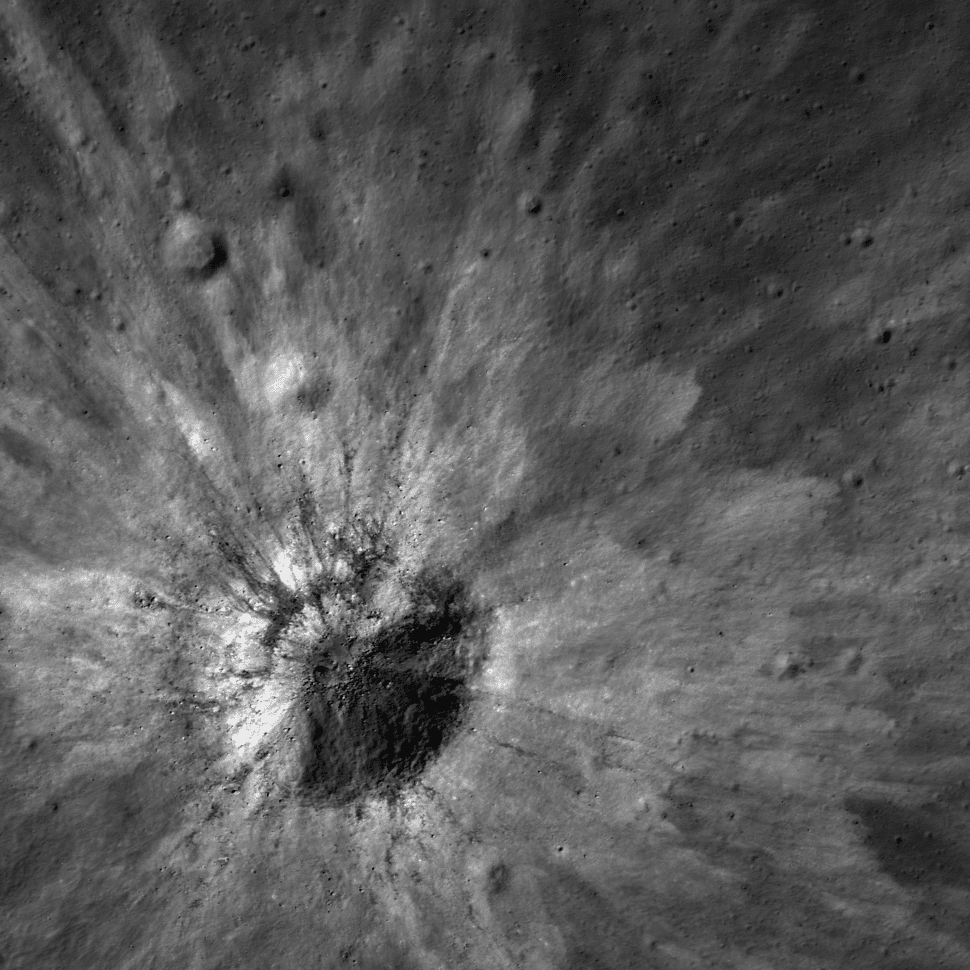
When these impacts occur, they eject lunar soil and vaporize atoms on contact, generating a delicate atmosphere that is continuously replenished. This ongoing interaction creates a balanced state in the exosphere, where particle production matches particle loss.
Influence of Solar Wind and Ion Sputtering
The researchers also investigated ion sputtering, a process driven by the solar wind—a stream of charged particles emitted by the Sun. When these energetic particles collide with the lunar surface, they can transfer energy to atoms in the soil, knocking them into the exosphere. “Data from NASA’s Lunar Atmosphere and Dust Environment Explorer (LADEE) indicated both processes affect the Moon’s atmosphere,” Nie explained.

Nevertheless, quantifying the contributions revealed that impact vaporization accounts for about 70% of the lunar atmosphere, with ion sputtering making up the remaining 30%. This was determined by analyzing isotopic compositions of volatile elements like potassium and rubidium found in the samples.
The study showed that lighter isotopes tend to become part of the exosphere, while heavier isotopes primarily settle back onto the Moon’s surface. This isotope fractionation illuminates the distinct roles each process plays in shaping the exosphere.
Context and Analytical Techniques
NASA’s LADEE mission, which launched in 2013, initially highlighted the interactions of impact vaporization and ion sputtering in the lunar atmosphere. Variations observed during meteor showers and solar eclipses hinted at their combined effects, though the data lacked precise quantification.
To enhance accuracy, Nie's team studied ten lunar soil samples, each around 100 milligrams. They extracted volatile elements potassium and rubidium by dissolving the soil in acidic solutions, then used mass spectrometric techniques to measure isotope ratios.
The dominance of heavy isotopes in the regolith confirmed that impact vaporization plays the major role. The team's meticulous preparation involved grinding the soil samples, purifying the elements, and conducting precise isotopic measurements to definitively unravel the processes responsible.
Implications for Planetary Science
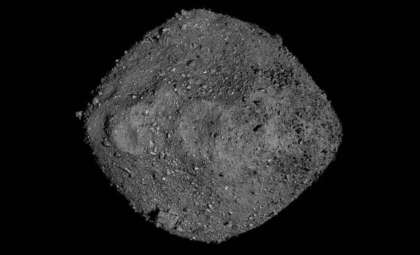
These findings extend beyond the Moon, offering insights into the atmospheres of other moons and asteroids throughout the solar system. Justin Hu, a researcher specializing in lunar soils at Cambridge University, remarked, “The detection of such subtle isotope variations is impressive and stems from combining potassium and rubidium isotope analysis with robust modeling.”
This methodology not only clarifies lunar atmospheric behavior but also establishes a framework for studying space weathering and atmosphere formation on diverse celestial bodies.
Nie underscored the critical importance of returning samples from the Moon and other worlds for advancing our understanding of solar system origins. “Without Apollo's lunar materials, precise quantitative insights would not be possible,” she remarked, highlighting the enduring value of Apollo samples and the need for future sample-return missions.
Next Steps in Research
This work paves the way for continued exploration of atmospheric phenomena on other solar system bodies. The techniques developed by the team are expected to support upcoming missions that will collect and analyze samples from additional moons and asteroids.
Future studies aim to broaden sample diversity, refine analytical methods, and integrate multi-source data to create comprehensive models of how planetary atmospheres develop and change over time.
- Categories:
- Astronomy ,
- News ,
- Space ,
- Nasa






0 comments
Sign in to Comment