
While the prospect of living beyond Earth captivates many, the reality of childbirth and family growth in outer space presents significant hurdles. Recent findings demonstrate that microgravity conditions hamper sperm movement toward the egg and impair early embryo progression.
Published in Communications Biology, the study reinforces mounting evidence that gravity plays a crucial role in human reproductive biology. Without it, vital physiological mechanisms experience subtle yet impactful malfunctions.
For decades, space agencies and private enterprises have envisioned permanent habitats on the Moon or Mars, anticipating that humans could live and reproduce outside Earth’s gravity. However, this new evidence suggests that fundamental biological functions may not adapt so easily.

Sperm Navigation Is Disrupted in Microgravity
Under the leadership of Nicole McPherson at the University of Adelaide, researchers employed a 3D clinostat to mimic weightlessness in laboratory settings. This apparatus spins cell samples to create conditions mimicking space microgravity.
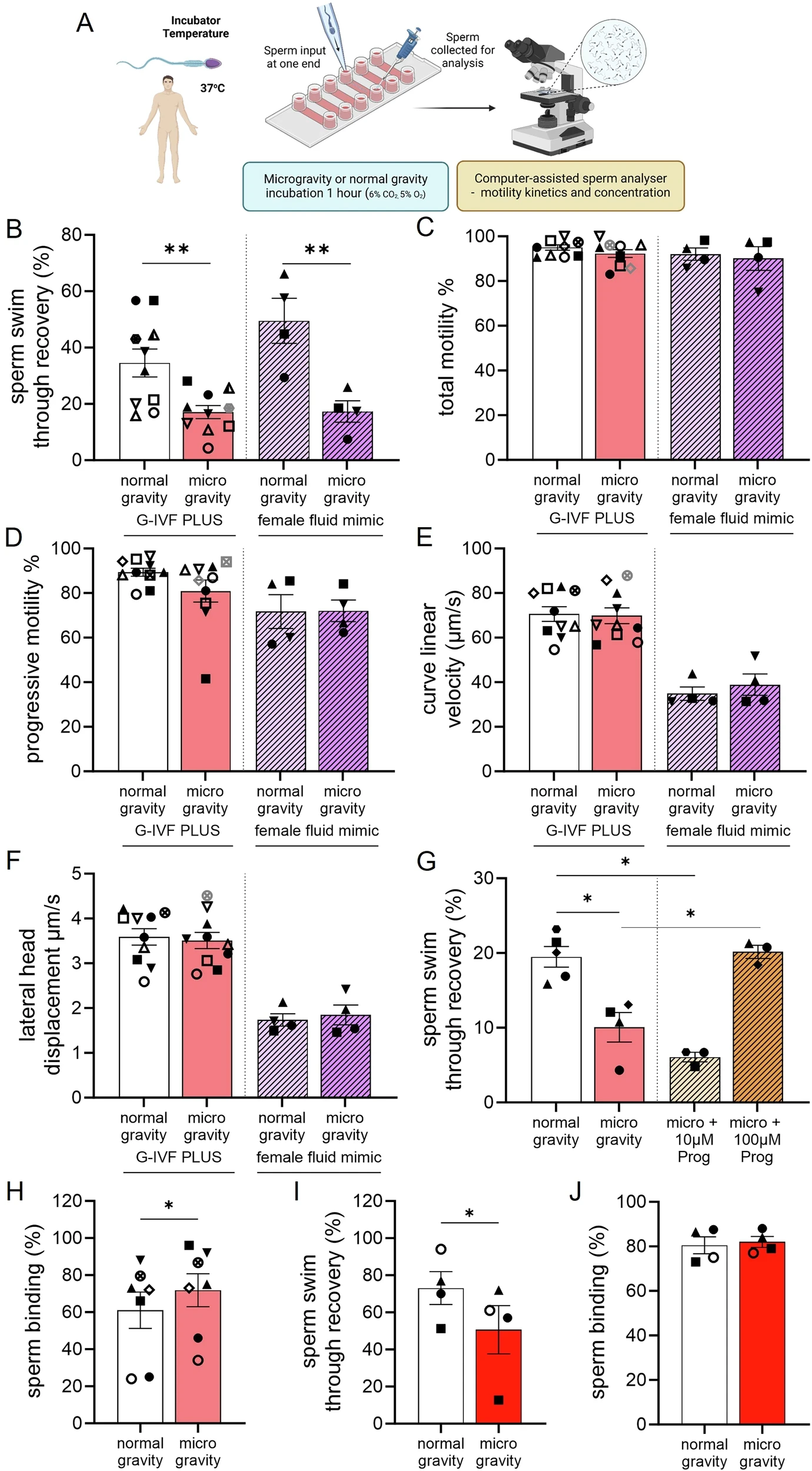
The findings were decisive. Nearly 30% fewer sperm reached the egg compared to normal gravity environments. Sperm cells don't simply move at random; they follow chemical signals like progesterone and prefer traveling close to surfaces. Gravity aids in orienting them relative to these surfaces. Its absence disrupts their directional accuracy. As McPherson conveyed to Space.com:
“We know that sperm responds to chemical cues, but we also know that they like to swim near surfaces,” she noted. “Obviously, to know where surfaces are, you need to understand your position in time and for that you need gravity.”
Embryos Show Initial Resilience but Rapid Decline
Fertilization was still achievable, but the next stages revealed intriguing behavior. The early embryos, known as blastocysts, initially appeared more robust under microgravity. This might be attributed to a natural selection effect where only the most viable sperm reached the egg.
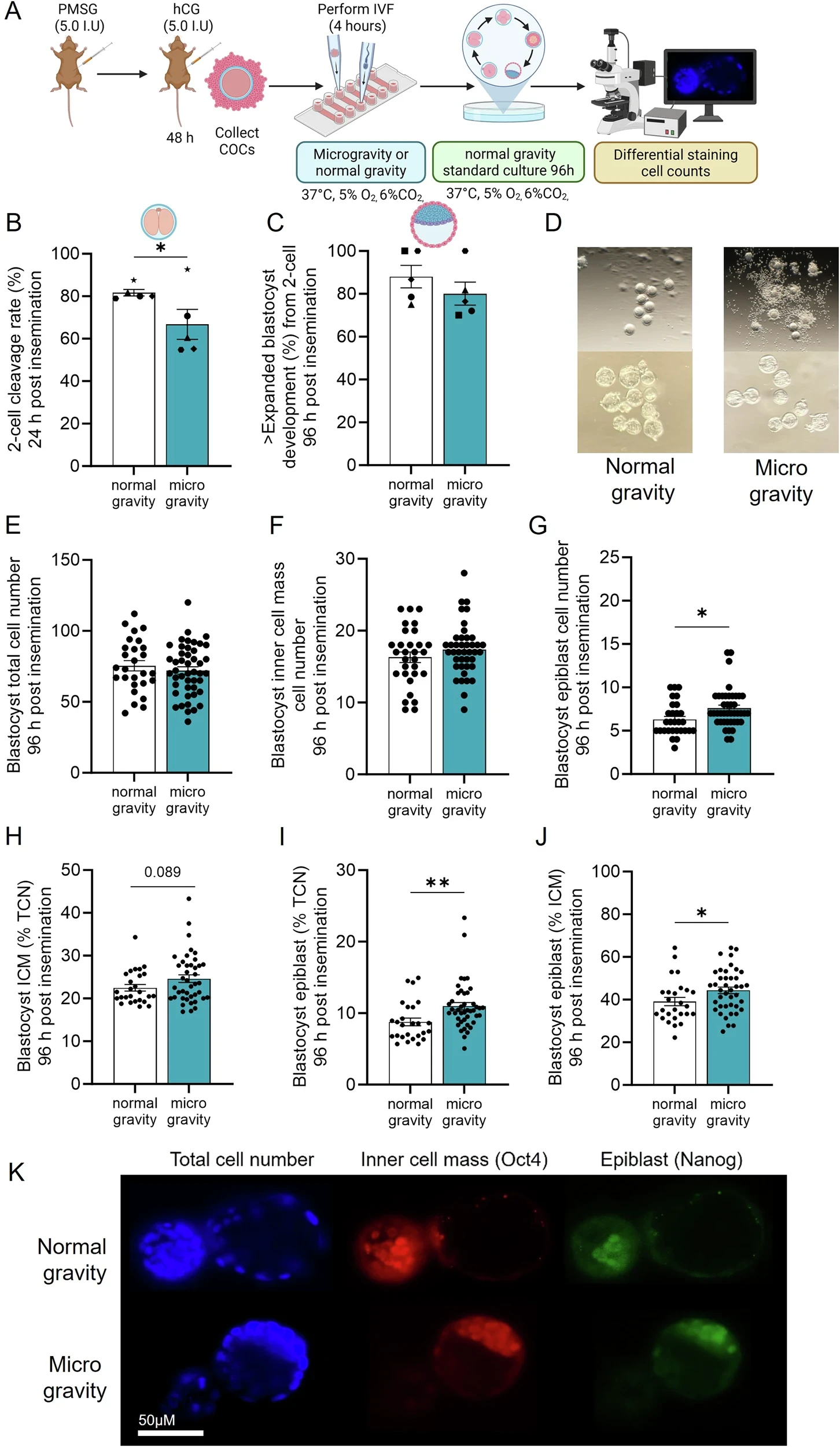
Although promising at first, this advantage did not last. After prolonged exposure, lasting up to 24 hours, the blastocysts’ development lagged behind counterparts grown in Earth’s gravity, showing weaker growth and slower progression.
The earliest stages of human development require intricate coordination, where parental DNA merges and essential epigenetic modifications occur. These delicate processes likely depend on stable physical conditions, which microgravity disrupts in complex ways that science is only beginning to unravel.
Why Human Life May Struggle Beyond Earth
Extensive research on space reproduction repeatedly points to difficulties in sustaining human life outside Earth's gravity. According to McPherson, successful long-term space colonies will require human reproduction in situ rather than constant travel back to Earth—a challenge if biology resists adaptation.
These insights also raise concerns about the biological safety of space tourism. As more people venture beyond the atmosphere, even brief spaceflights might entail unknown reproductive risks that need further investigation.
- Categories:
- Science







0 comments
Sign in to Comment