
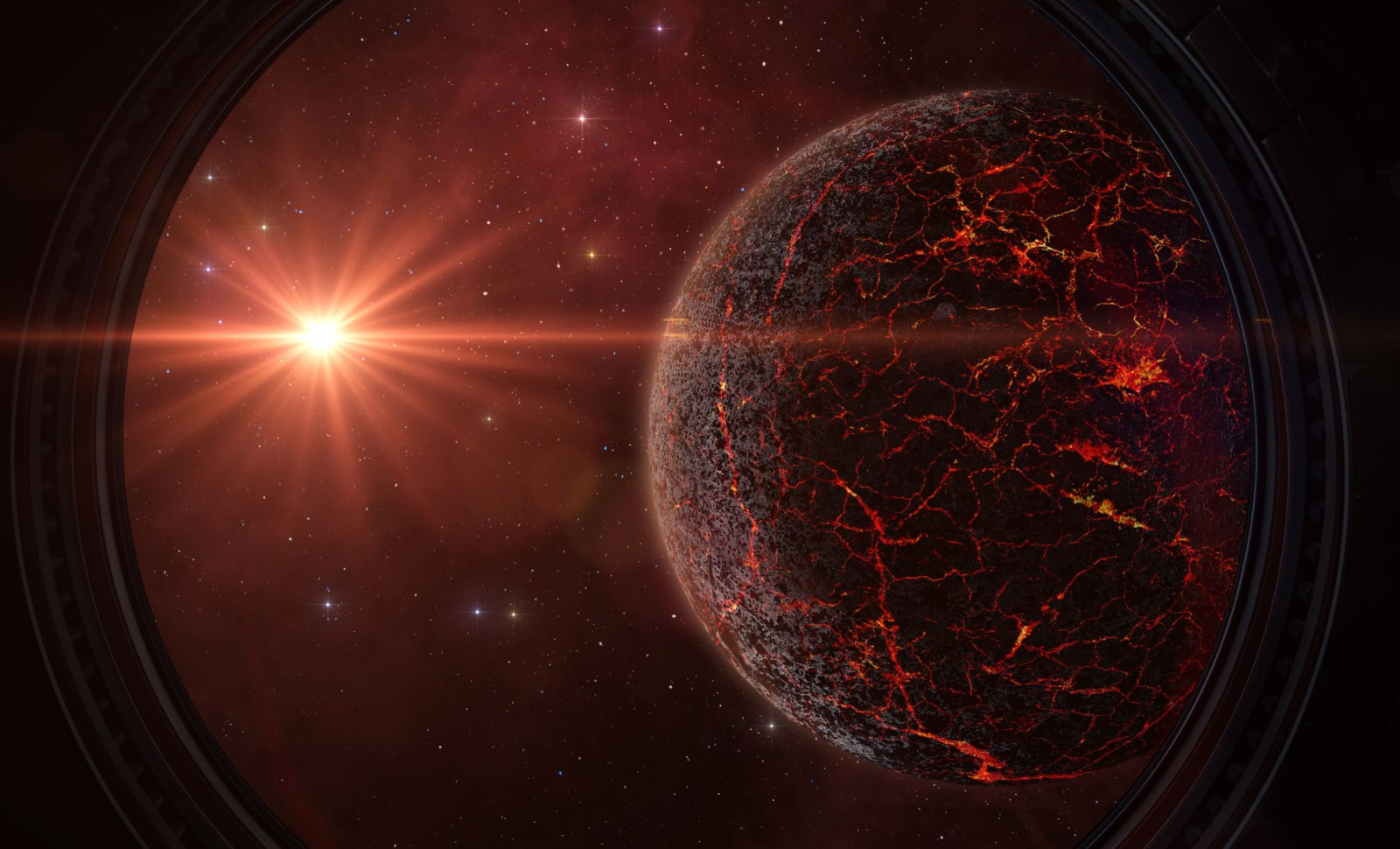
A recent investigation led by Robb Calder from the University of Cambridge challenges the prevailing belief that nearly all recognized sub-Neptune exoplanets, previously considered potential ocean-bearing hycean worlds, primarily consist of molten rock instead.
This reconsideration arises from a fresh interpretation of atmospheric data from distant planets, focusing on chemical indicators such as methane, carbon dioxide, and ammonia. Earlier studies, including analyses of planet K2-18b, interpreted the absence of ammonia as a strong hint towards liquid water oceans since water typically absorbs ammonia. However, Calder and colleagues argue that molten rock displays comparable absorption properties, indicating these observations might point to an entirely different planetary environment.
Could Sub-Neptunes Conceal Rocky Cores?
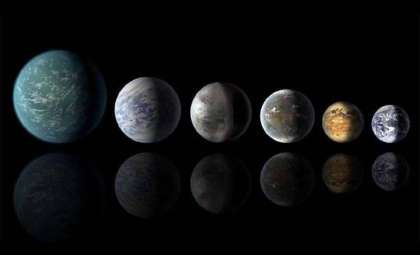
Sub-Neptunes—planets larger than Earth but smaller than Neptune—represent the most frequently discovered exoplanet category. Despite this, their exact composition remains uncertain due to the absence of analogous planets in our own solar system.

Determining the composition of these worlds is critical not only for identifying habitable environments but also for refining our models of planetary formation and evolution. The study, available on the arXiv preprint server, cautions that prior assumptions about sub-Neptunes being predominantly watery habitats might have favored overly optimistic interpretations, neglecting more plausible geological explanations.
Interpreting Planetary Atmospheres: The Challenge of Degeneracy
The core challenge lies in degeneracy, an astrophysical concept where identical observations can support various interpretations. This is especially prominent in atmospheric chemistry. Previously, the methane-rich, ammonia-poor atmosphere of K2-18b was hailed as a signature trait of a hycean planet—an exotic category featuring dense hydrogen atmospheres overlaying expansive oceans.
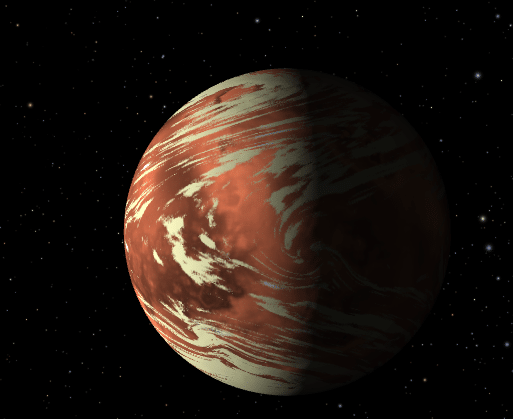
However, as Robb Calder and his collaborators reveal, molten rock can absorb ammonia similarly to water, undermining the earlier inference that ammonia absence conclusively indicates oceans. This data ambiguity implies many planets once labeled as possible water worlds might in fact be scorching magma planets.
An Innovative Approach to Planetary Classification
The team tested their hypothesis by developing a model, known as the Solidification Shoreline, which correlates instellation flux—the energy a planet obtains from its star—with the star’s effective temperature. Plotting observed exoplanets within this framework allowed the researchers to estimate which worlds might have retained magma oceans since their creation.
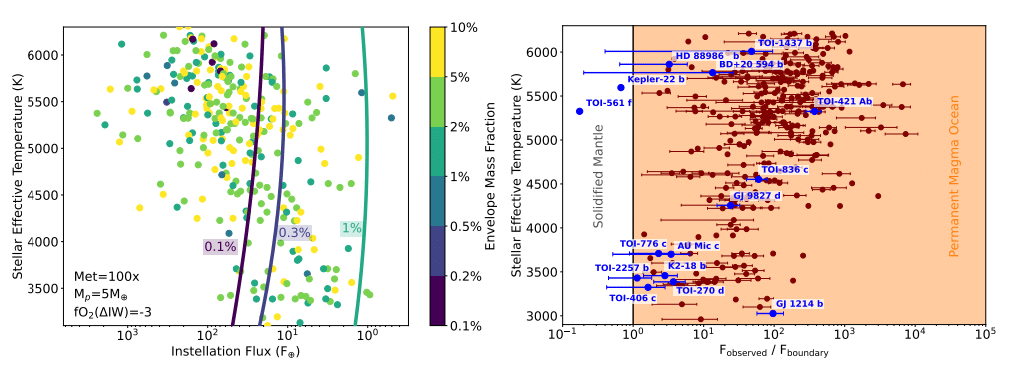
Applying the PROTEUS model to simulate internal thermal behavior, Calder and his team found that 98% of sub-Neptune planets lie above this threshold. This indicates these planets receive sufficient stellar energy to sustain molten interiors rather than cooling into solid surfaces. Their findings offer a solid physics-based alternative to the previously favored hycean hypothesis, which was more speculative and focused on habitability.
The Reality of Lava Worlds Over Ocean Habitats
This discovery holds important implications for astrobiologists and the search for extraterrestrial life. The hycean planet concept promised life-friendly environments with enormous subsurface oceans cloaked by thick atmospheres. However, the new evidence suggests this hopeful perspective may have been premature. If most sub-Neptunes are actually lava-dominated worlds, their potential to harbor life as we understand it diminishes significantly.
Though this may feel like a setback, it provides a more dependable basis for upcoming research. As Calder and colleagues emphasize, the limited availability of precise atmospheric mass data across many exoplanets constrains current planetary models. Their study does not dismiss the possibility of water-rich worlds altogether, but rather warns against overenthusiastic interpretations and highlights the diverse evolutionary trajectories planets can follow.
- Categories:
- Space




0 comments
Sign in to Comment