
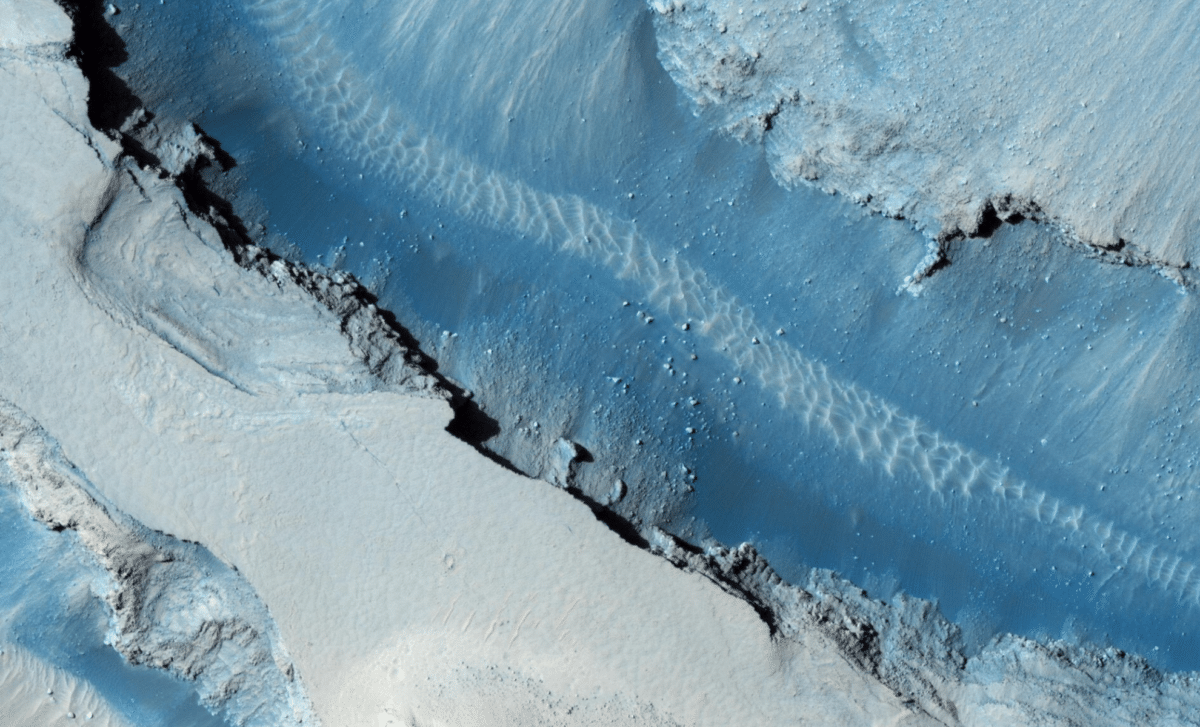
At the 57th Lunar and Planetary Science Conference (LPSC), scientists Connor Bunn and Pascal Lee from the SETI Institute introduced Orpheus, an innovative vertical takeoff and landing (VTOL) hopper concept designed to probe beneath the Martian surface. This mission aims to explore deep volcanic fissures and lava caves—some of the freshest volcanic formations on Mars—in the search for possible signs of life.
Uncovering Life Beneath Mars’ Surface
The search for extraterrestrial life on Mars remains a key scientific objective. Despite extensive studies, the planet’s surface is known to be a harsh environment, saturated with radiation and harmful chemicals, making it an unlikely habitat for current life forms. Accordingly, Orpheus intends to delve underground, targeting volcanic areas where conditions may be more favorable for life to survive.
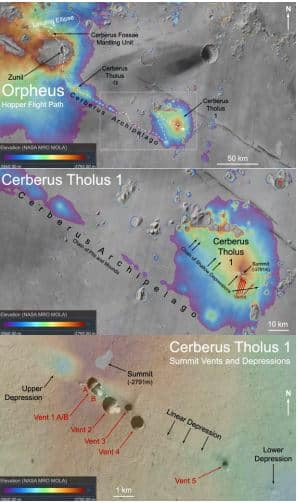
As noted by Universe Today, the Cerberus Fossae region hosts some of Mars’ most recent volcanic structures. Scientists speculate that these zones might possess a combination of warmth, water, and chemical compounds capable of supporting life, much like volcanic vents on Earth. Such locations may have preserved microbial life forms from the damaging effects of radiation and the frigid surface temperatures.

Reimagining Exploration on the Red Planet
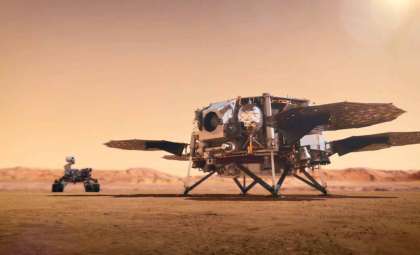
The Orpheus project, detailed by Bunn and Lee at LPSC, envisions deploying a quadcopter-style hopper to navigate volcanic vents and fissures inaccessible to wheeled rovers. The vehicle would hop between key sites, including Cerberus Tholus, to search for biological markers or other evidence of living organisms.
A particular focus will be Vent #5, located near Cerberus Tholus’ peak, suspected to have experienced recent volcanic activity and identified as a prime candidate for harboring microbial life. The mission could thus provide valuable insight into the Martian subsurface environment.
Why Cerberus Fossae Is an Ideal Target
Situated within Elysium Planitia, Cerberus Fossae features some of the latest volcanic phenomena discovered on Mars. Terrestrial volcanic areas are often rich with life because of the heat and nutrients they provide. Similarly, these Martian volcanic zones, especially those with signature recent activity, offer promising opportunities to unravel the planet’s history and potential for life.
While the Martian surface endures extreme conditions, below-ground thermal energy from volcanic vents combined with available water could create microhabitats akin to Earth’s deep ocean hydrothermal vents. This makes Orpheus’s mission crucial in exploring possible extant life well beneath the surface.
Orpheus: A Next-Generation Martian Hopper
Distinct from conventional surface rovers, Orpheus will utilize a VTOL approach resembling the Ingenuity helicopter’s capabilities. This method allows the hopper to efficiently leap over rugged terrain, moving between volcanic pits and craters otherwise unreachable by rover.
The spacecraft will carry an array of scientific instruments, including a color imaging system, near-infrared spectrometer, and ground-penetrating radar, to analyze geological and chemical properties, detect potential biosignatures, and investigate the subsurface volcanic environment.
- Categories:
- Space







0 comments
Sign in to Comment