
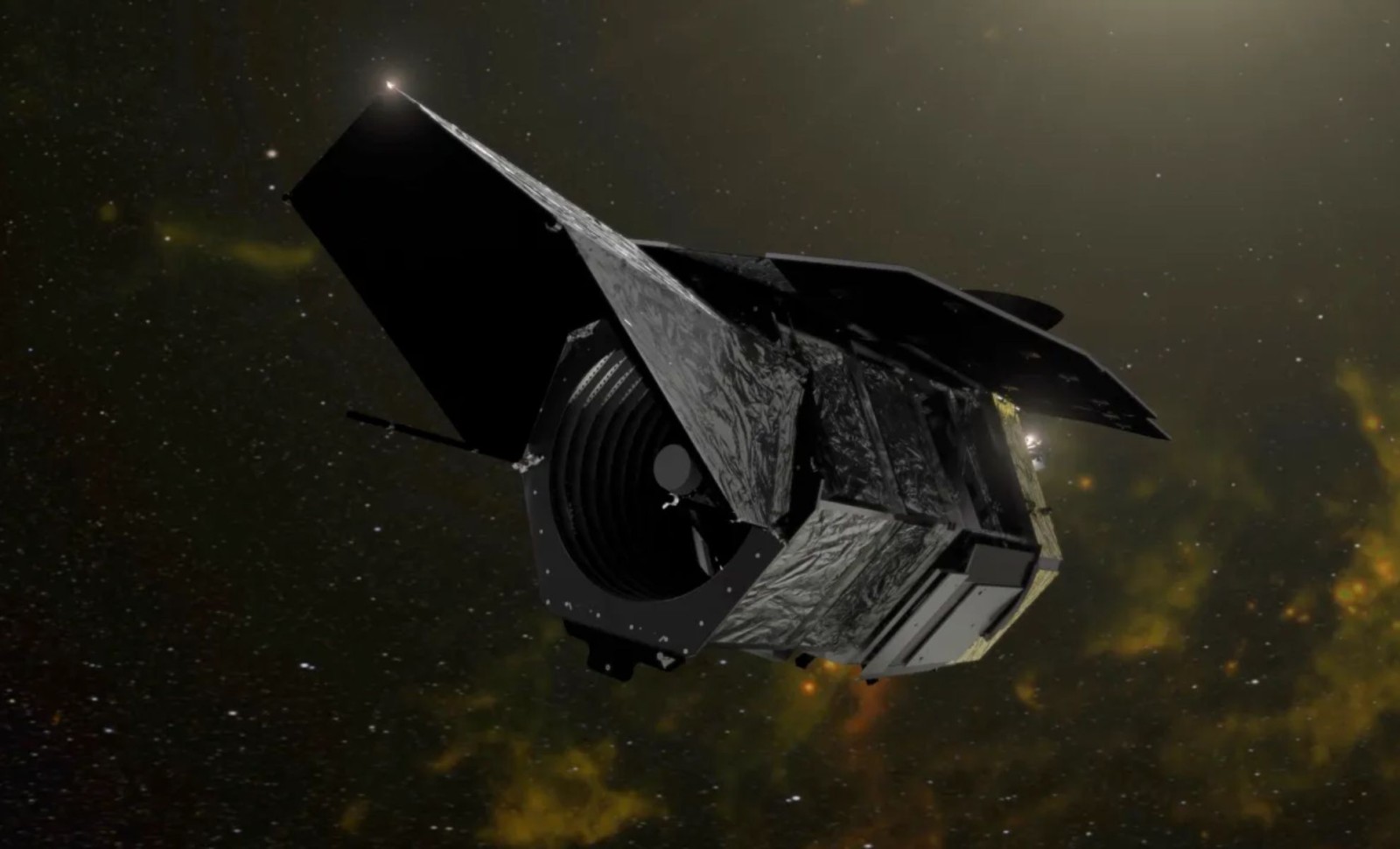
The Nancy Grace Roman Space Telescope, launched by NASA, is set to probe some of the universe’s vastest and most enigmatic expanses: cosmic voids. These immense, nearly empty stretches between galaxies could reveal vital clues about the accelerating expansion of the cosmos and the mysterious force known as dark energy. Though often overlooked, cosmic voids significantly influence the universe’s large-scale architecture. Equipped with its broad observational reach, the Roman Space Telescope will give astronomers an unparalleled opportunity to examine these voids in detail.
Unveiling the Role of Cosmic Voids in Dark Energy
Far from mere emptiness, cosmic voids offer critical insights into the nature of dark energy. These regions contain very little matter and are dominated by dark energy, which is thought to drive the universe’s accelerating expansion. As Alice Pisani of CNRS and Princeton University explains:
“Since they’re relatively empty of matter, voids are regions of space that are dominated by dark energy. By studying voids, we should be able to put powerful constraints on the nature of dark energy.”
Add Cosmo Herald as a Preferred Source

What new revelations might arise from Roman’s investigations into these peculiar zones and their connection to cosmic expansion?
Roman’s High-Latitude Survey: Revolutionizing Void Exploration
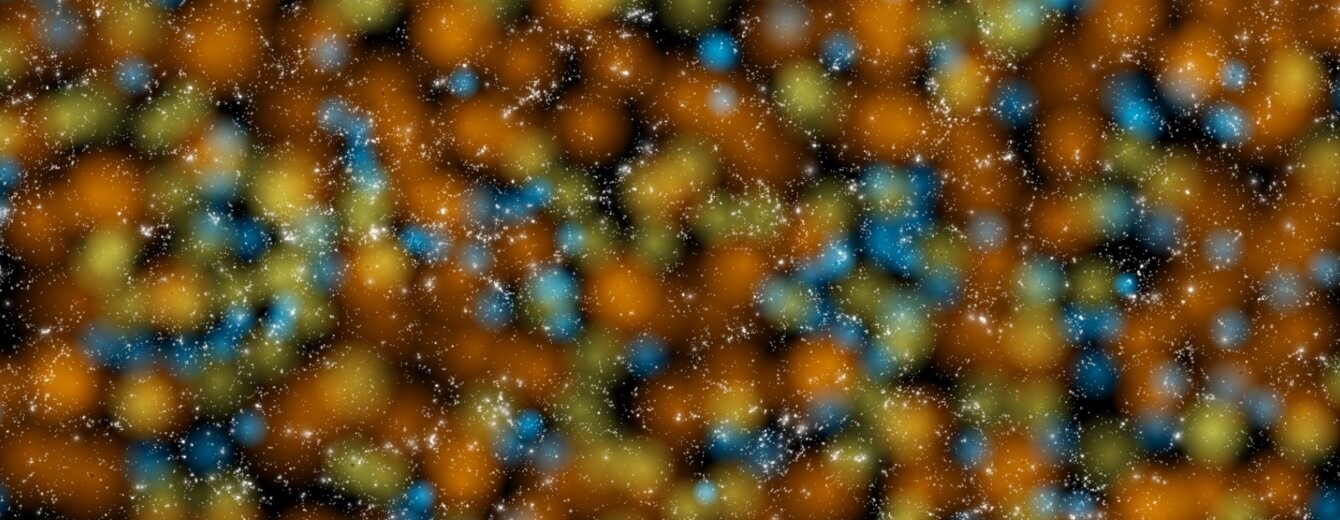
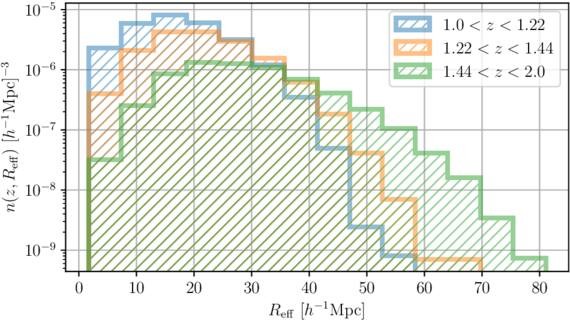
The Roman Space Telescope’s High-Latitude Wide-Area Survey focuses on celestial regions relatively unobstructed by the Milky Way’s plane. This survey intends to identify and catalog thousands of cosmic voids, some measuring as small as 20 million light-years across. Giovanni Verza, lead author of a report in The Astrophysical Journal, underscores the value of Roman’s capability to detect faint, distant galaxies, enabling groundbreaking studies of cosmic voids at an unprecedented scale.
According to NASA, Roman’s expansive field of view paired with advanced spectroscopic instruments will allow astronomers to chart the size and morphology of voids with remarkable precision. This will be key to comprehending their evolution and the influence of dark energy on cosmic expansion.
Decoding the Universe’s Composition: Insights from Voids
Understanding the universe’s makeup is often likened to refining a “cosmic recipe,” a mix of ordinary matter, dark matter, and dark energy. The exact measurements provided by Roman will be instrumental in fine-tuning scientific models and enhancing comprehension of cosmic mechanisms.
Detailed mapping of voids’ three-dimensional distributions will deliver vital clues about dark energy’s behavior and the universe’s growth. As Giulia Degni from Roma Tre University notes:
“With Roman, we can better look at the galaxies that populate voids, which ultimately will give us greater understanding of the cosmological parameters like dark energy that are sculpting voids.”
- Categories:
- Space






0 comments
Sign in to Comment