
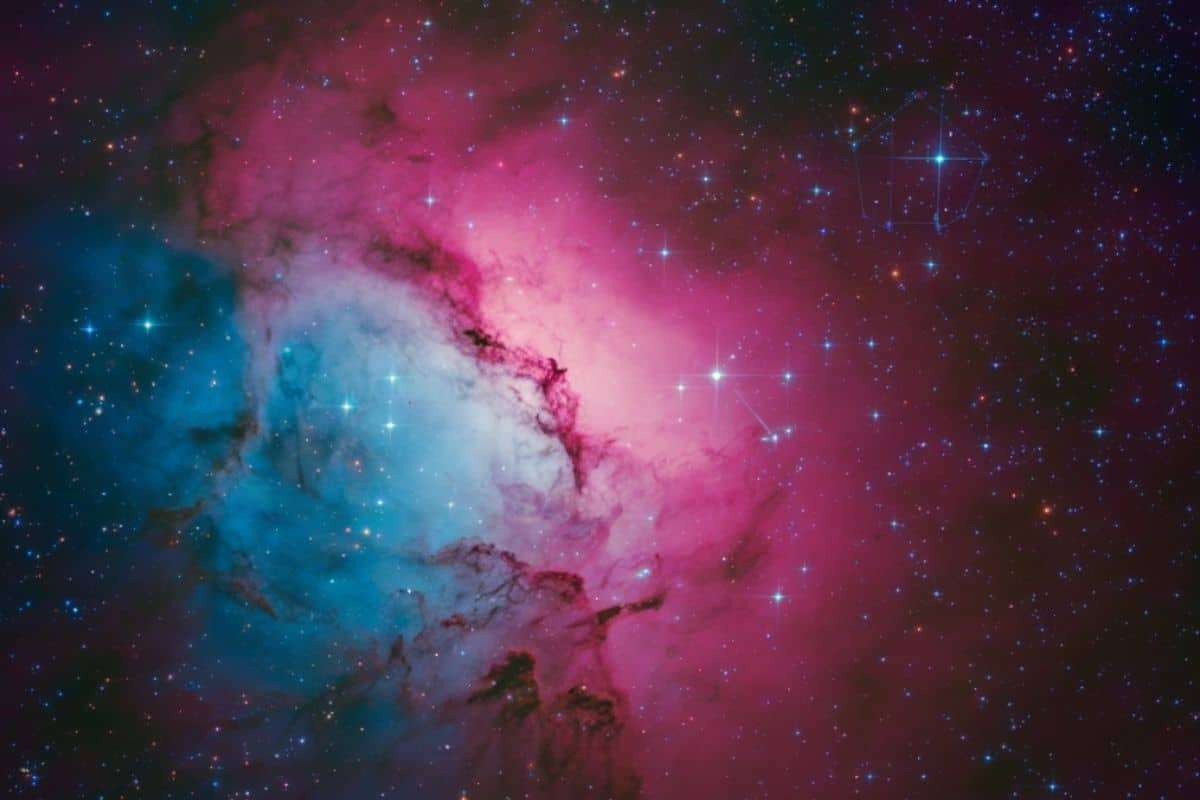
Researchers have found evidence that the solar system passed through a high-density star-forming region near Orion roughly 14 million years ago. This interstellar journey might have influenced Earth's environment by introducing cosmic dust particles now recorded in geological deposits. These discoveries shed light on how the movement of our galaxy shapes planetary evolution.
Tracing the Solar System’s Route Through Orion
The Milky Way contains multiple stellar nurseries where vast clouds of gas and dust give rise to new stars. A recent investigation led by Efrem Maconi from the University of Vienna indicates that during its journey, the Sun along with its planets moved through a highly active star formation zone near Orion.
These regions are rich in interstellar matter. Passing through such a dense area might have increased the influx of cosmic dust reaching Earth and temporarily altered the heliosphere—the magnetic shield protecting our planet from harmful cosmic radiation and particles.

Interstellar Dust Deposited on Earth
Scientists explore ancient cosmic events by detecting traces of extraterrestrial substances embedded in sediment layers, ice cores, and marine deposits. One important clue is iron-60, a radioactive isotope created in supernova explosions.
The dust from the Orion passage might still be preserved within Earth's geological layers. Although current technology has constraints, future improvements in sediment examination could reveal more evidence of these cosmic interactions.
Might This Event Have Impacted Earth’s Climate?
At the same time the solar system traversed Orion’s dense interstellar dust cloud, Earth underwent a considerable climate change known as the Middle Miocene Climate Transition, featuring global cooling and the growth of Antarctica's ice sheets.
While the exact drivers of this transition remain unclear, researchers propose that the increased dust exposure may have contributed slightly. Variations in airborne particles could have affected cloud formation or altered Earth's radiation reception.
Nonetheless, the authors highlight that this ancient climate shift is distinct from the rapid changes caused by contemporary human impacts.
Could Such Interstellar Passages Happen Again?
Our solar system continuously orbits the galactic center approximately every 230 million years, moving through different cosmic environments, some more densely packed than others, within the Milky Way galaxy.
Scientists are improving models of galactic motion to assess if future encounters with dense star fields are likely. Although none are expected soon, ongoing exploration with cutting-edge telescopes and deep ocean sediment analysis may offer further insight into Earth's interactions with interstellar matter.
Revealing Secrets of the Solar System’s Past
The hypothesis that Earth has traveled through star-forming regions enriches our comprehension of the solar system’s deep-time narrative. Detecting cosmic dust imprints could pave the way for innovative research bridging astronomy, geology, and climate science.
- Categories:
- Space


0 comments
Sign in to Comment