
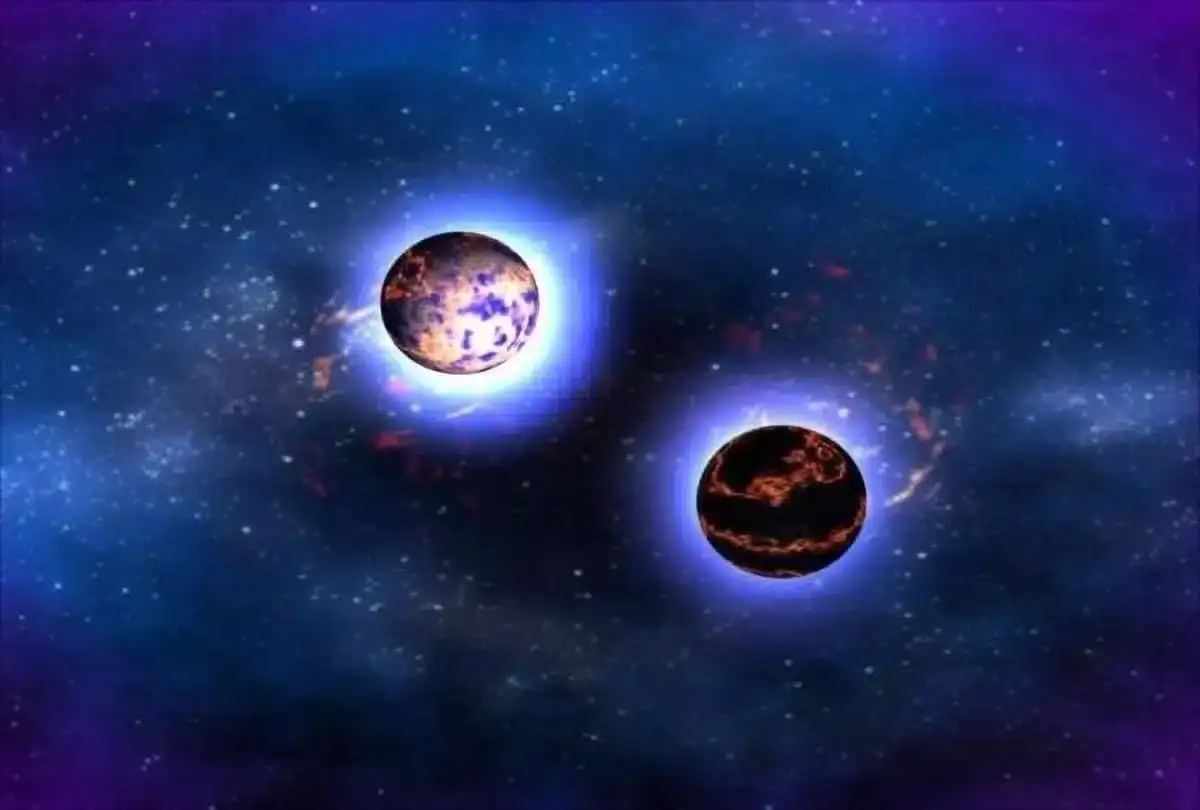
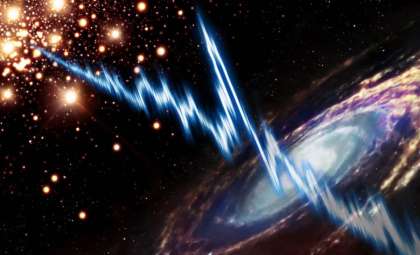
For more than sixty years, the source of ultrahigh-energy cosmic rays (UHECRs)—the universe’s most energetic particles—has remained a perplexing puzzle. Discovered in the 1960s, these particles have defied a complete explanation until now. Physicist Glennys Farrar has introduced an innovative theory that may finally shed light on their origins.
Innovative Approach to Explaining UHECRs
In a recent publication featured in Physical Review Letters, New York University physicist Glennys Farrar proposes a testable hypothesis connecting UHECRs with the magnetic outflows generated during the merger of binary neutron stars.
Farrar argues that the extreme environments created in these stellar collisions offer perfect conditions for accelerating particles to incredibly high energies. This insight may unlock the mysteries of both UHECRs and the violent astrophysical events that produce them.

Neutron Star Collisions as Cosmic Accelerators
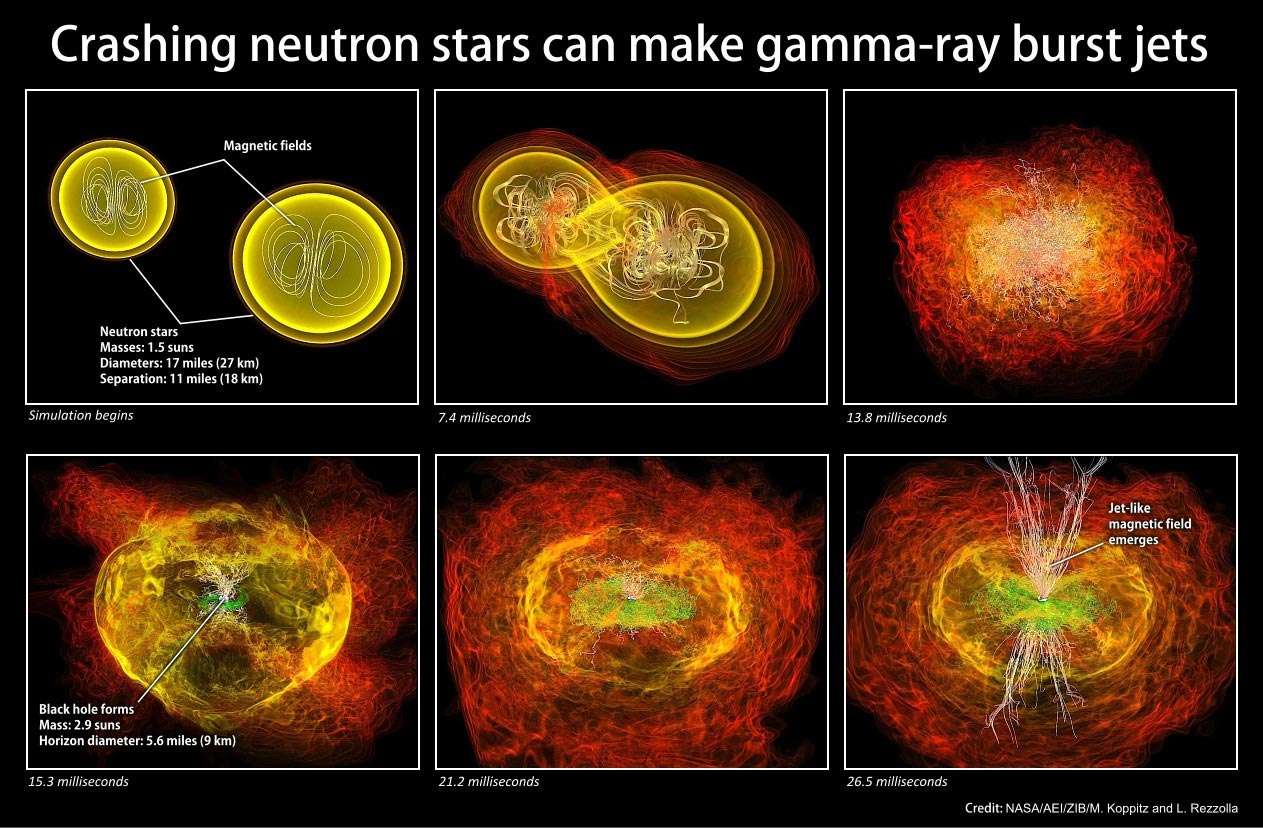
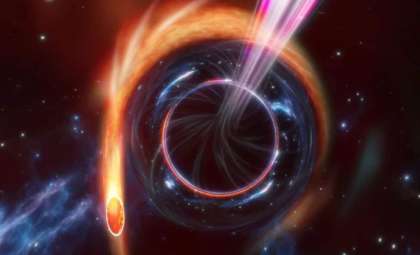
According to Farrar’s framework, UHECRs gain their staggering energy from the turbulent magnetic fields generated just before a black hole forms in the merging of two neutron stars. These magnetic fields can propel particles to energies exceeding those achievable by Earth’s most advanced particle accelerators by a factor of over one million, as highlighted by research on our planet.
The neutron star collision also emits strong gravitational waves, which have been successfully captured by the LIGO-Virgo collaboration.
"After six decades, we may have finally pinpointed the origins of the universe's highest-energy particles," Farrar remarked, acknowledging the longstanding challenge in astrophysics.
Key Insights of the Proposed Model
The model sheds light on two persistent enigmas about UHECRs. Firstly, it clarifies the strong link between a UHECR particle's energy and its electric charge, a feature that had eluded explanation. Secondly, it provides a rationale for the extraordinary energies observed in the rarest cosmic ray events.
Farrar proposes that these particles include rare ‘r-process’ elements such as xenon and tellurium, encouraging scientists to focus on these in future UHECR analyses.
Additionally, the model predicts that high-energy neutrinos produced during UHECR interactions would be accompanied by gravitational waves from neutron star mergers.
Validating the Theory and Impacting Future Research
The theory opens new avenues for experimental verification, suggesting researchers should target the detection of rare ‘r-process’ elements in cosmic ray data and examine potential links between UHECR events and gravitational waves from neutron star collisions.
This breakthrough is poised to influence the direction of cosmic ray and astrophysics research moving forward. Farrar highlights that neutron star mergers not only play a crucial role in black hole formation but also contribute significantly to the creation of heavy elements in the universe, as seen in neutron stars.
ushering in a new chapter for cosmic exploration
Glennys Farrar’s research marks a significant milestone in decoding ultrahigh-energy cosmic rays and neutron star collisions.
With this novel perspective, the scientific community gains a powerful new framework to comprehend the mechanisms driving these extreme astrophysical phenomena. As Farrar puts it, “This discovery provides a fresh lens to explore the universe's most cataclysmic events.”
- Categories:
- Space









0 comments
Sign in to Comment