
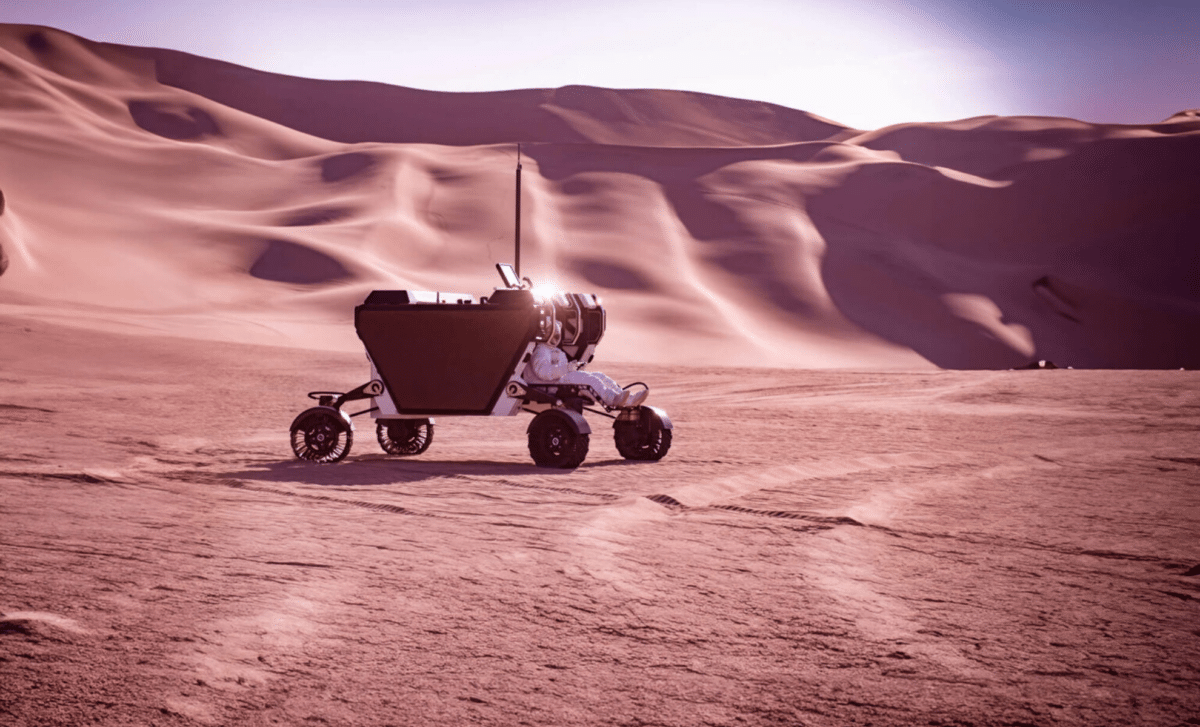
With space exploration rapidly evolving, attention is now turning to harnessing the Moon's abundant natural resources. As reported by Ars Technica, two companies—Interlune and Astrolab—have revealed plans to build advanced lunar harvesting machinery designed to extract valuable elements such as Helium-3 from the lunar surface. This initiative represents a key moment in extending human activities beyond Earth, blending public and private sector efforts to pioneer new lunar technologies.
Harnessing Lunar Resources: A Bold New Frontier
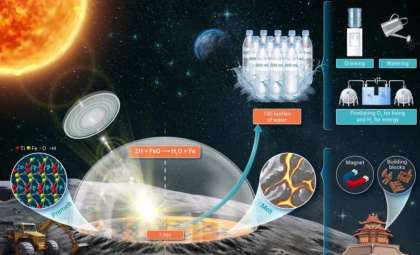
The traditional realm of space exploration is expanding beyond governmental boundaries, as private enterprises lead the charge into extraterrestrial resource utilization. Central to these efforts is the goal of mining Helium-3, an exceptionally rare isotope with promising applications in future nuclear fusion energy systems. While Earth holds very limited amounts of Helium-3, the lunar regolith—the Moon’s dusty surface layer—contains notable concentrations, positioning it as a critical resource for sustainable energy innovation down the line.
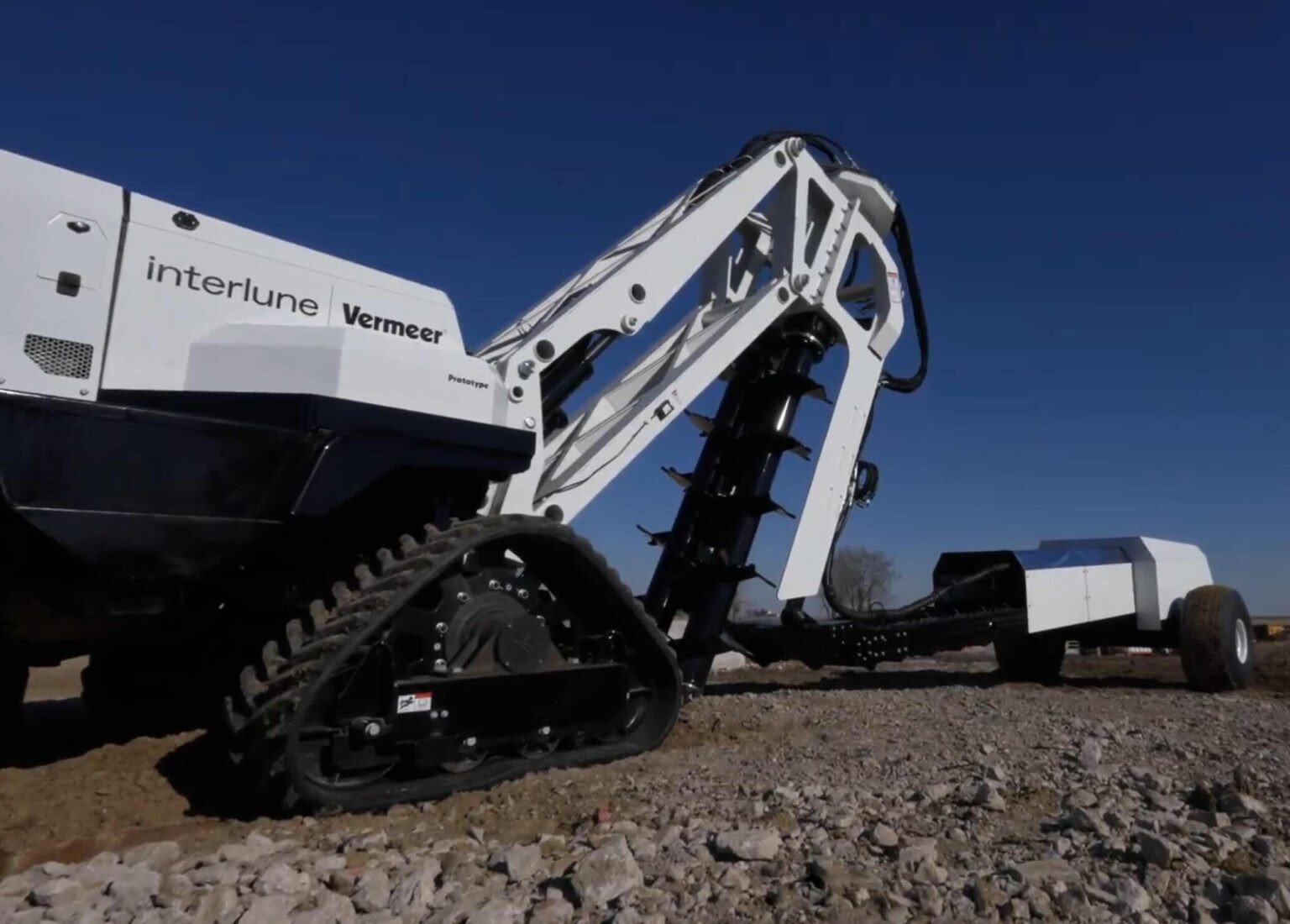
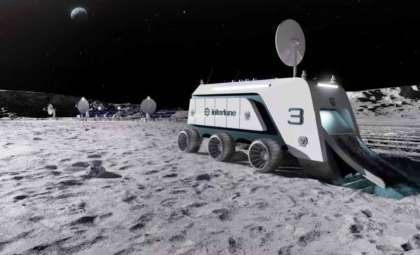
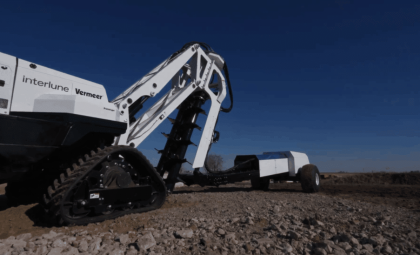
In a recent article by Ars Technica, Interlune is spotlighted for its focus on developing an electric fleet of lunar harvesters. These vehicles are being designed to dig into the Moon’s exterior, extract Helium-3, and efficiently separate it from the surrounding regolith. As Interlune CEO Rob Meyerson stated, “Ultimately, we want to build a fleet of electric harvesters that will go to the Moon and excavate, extract, and separate Helium-3 from the lunar regolith.” The FLEX Rover created by Astrolab is viewed as a vital component in this extraction operation.

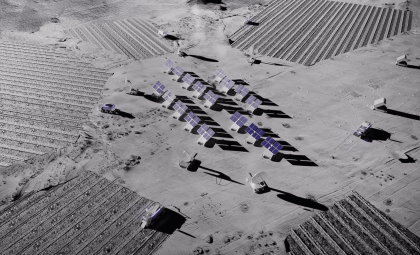
Interlune plans to combine cutting-edge technology with efficient energy systems suited for the Moon’s extreme environment. Electric rovers promise a sustainable path to continuous resource harvesting, which could transform both extraterrestrial exploration and terrestrial energy futures. Their vision of deploying multiple harvesters highlights a long-term dedication to establishing a reliable lunar mining infrastructure.
Astrolab’s Flexible Rover: Adapting for Varied Lunar Missions
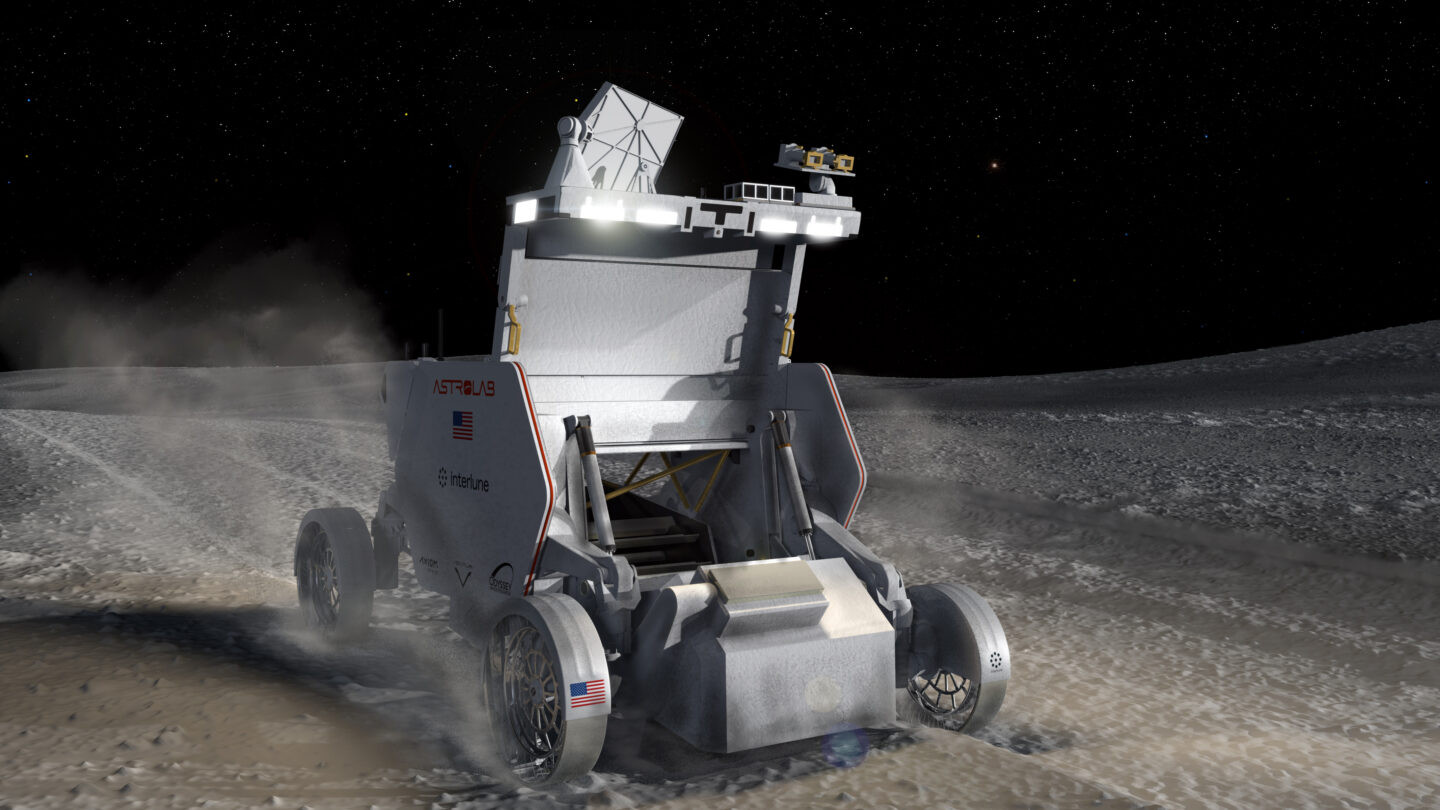
Astrolab complements this collaboration by providing a highly adaptable vehicle platform. The FLEX Rover is engineered to fulfill multiple roles on the Moon, from supporting resource excavation to carrying scientific instruments or even serving as a mobile habitat for astronauts. Astrolab’s focus on modularity emphasizes the importance of flexibility for future lunar missions faced with diverse objectives.
“Our thesis is to make the most versatile platform possible so we can serve a wide array of customers and achieve NASA’s goal of being one customer among many,” said Jaret Matthews, Astrolab founder and chief executive.
This versatile design allows the rover to accommodate various payloads, enabling a broad spectrum of mission types—from scientific studies to mining operations. The excavating gear being developed by Interlune is intended to be mounted beneath the FLEX Rover, highlighting its multifunctional capabilities. According to Matthews, this modular setup means the rover can swiftly switch between roles like resource collection and transport, boosting operational efficiency on lunar expeditions.
Private Sector Drives New Era in Space Development
The journey toward sustained space exploration increasingly relies on private enterprises such as Interlune and Astrolab. While foundational work by organizations like NASA has paved the way, these companies are key players in commercializing cutting-edge space technologies. Their partnership reflects a broader movement toward public-private collaborations that significantly speed up advancements beyond Earth.
This fresh dynamic ushers in a new phase of lunar exploration, where profit-driven firms join forces with governments to push the limits of discovery. The Moon is increasingly regarded not just as a site for scientific investigations, but as a vital resource reservoir poised to support humanity’s aspirations for clean energy and prolonged space habitation.
- Categories:
- News







0 comments
Sign in to Comment