
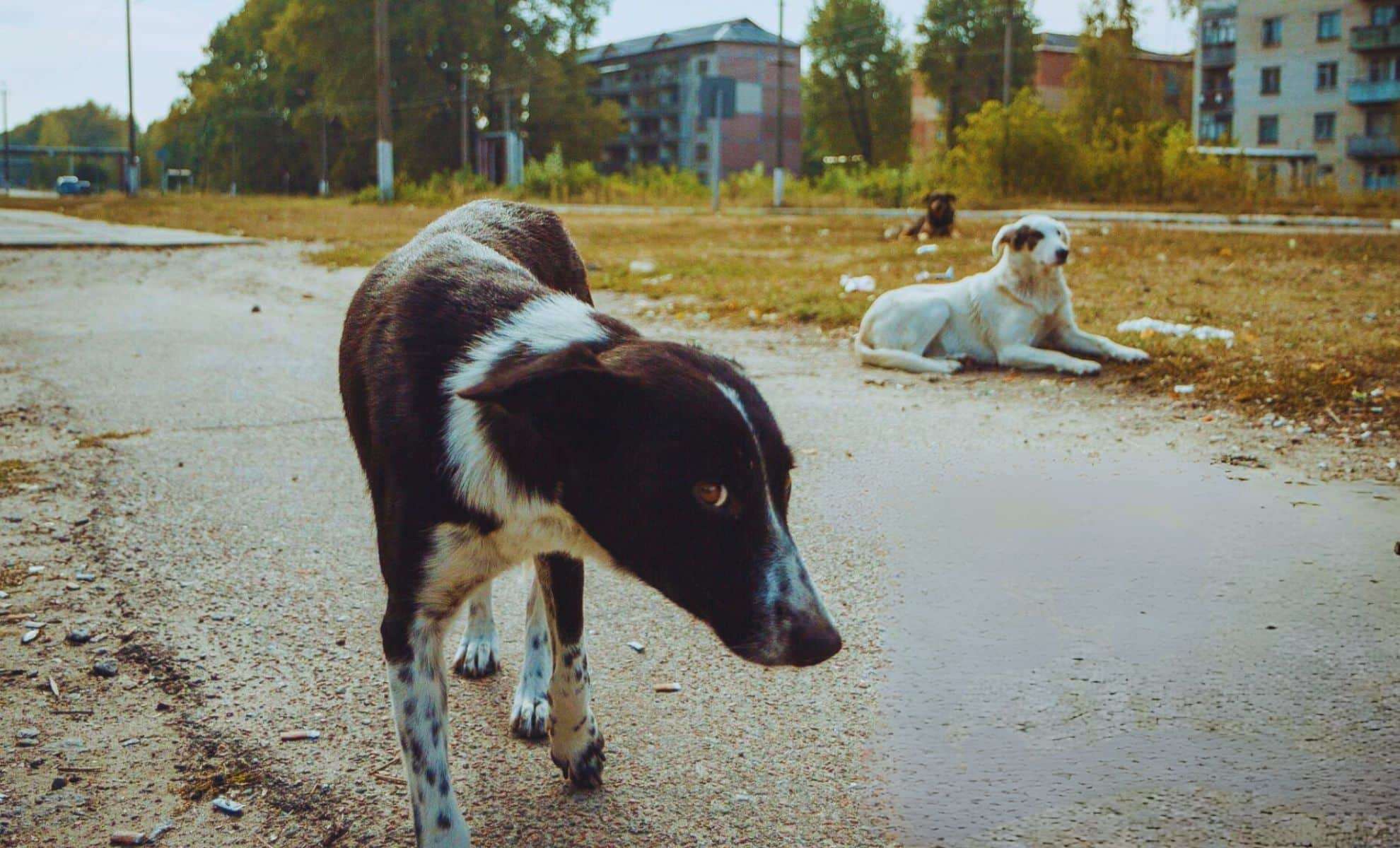
Dogs inhabiting the area surrounding the Chernobyl nuclear disaster site are demonstrating a pace of evolution unmatched anywhere else. What drives these radioactive survivors to develop so quickly? The answer lies in the unforeseen effects of residing in one of the planet's most contaminated and dangerous zones.
Chernobyl Canines: Rapid Genetic Transformations Uncovered
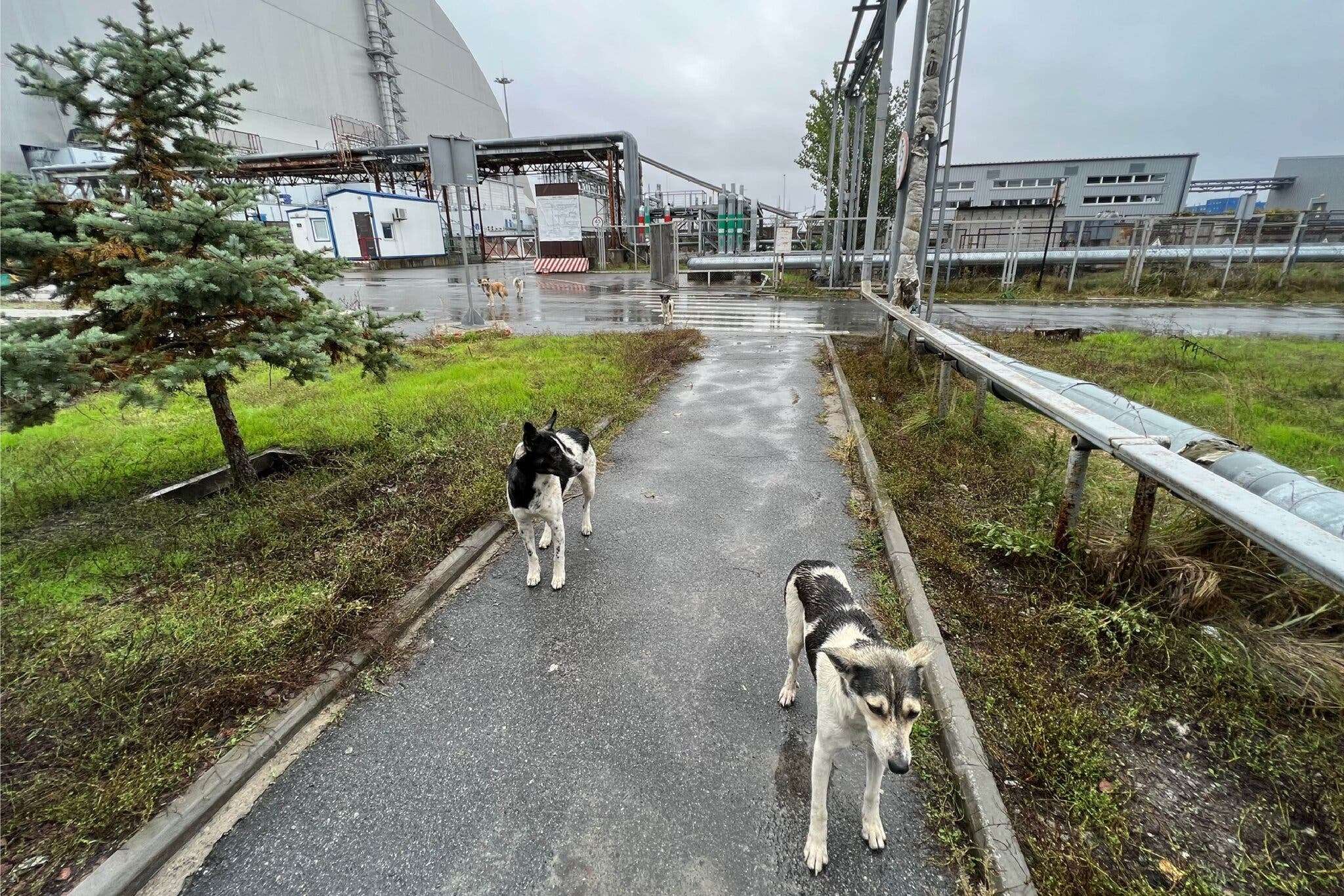
The catastrophic 1986 explosion at the Chernobyl Nuclear Power Plant triggered a widespread radioactive contamination that rendered large swaths of northern Ukraine unlivable. Yet, over the years, the Chernobyl Exclusion Zone (CEZ) has become a refuge where wildlife has re-emerged in the absence of human activity. Among these are numerous feral dogs, descendants of household pets left behind when residents evacuated in haste.
Recent research has highlighted that these dogs exhibit a genetic blueprint that rapidly diverges from dogs living outside the exclusion zone. Elaine Ostrander, a renowned genomics researcher at the National Human Genome Research Institute, posed important questions in her interview with The New York Times: "Are the mutations they carry enabling them to thrive and reproduce successfully in such a hazardous environment? What genetic challenges and adaptations have emerged?"

Unveiling the Genetic Impact: How Radiation Alters Their DNA
Scientists from the University of South Carolina alongside experts at the National Human Genome Research Institute have begun decoding the DNA of 302 feral dogs living within and around the CEZ. Their research aims to reveal how radiation exposure may be accelerating the evolutionary process in these animals. Findings recently highlighted by Popular Mechanics suggest startling genetic shifts.
Genetic distinctions between Chernobyl’s dogs and those just 10 miles (16.09 km) away in Chernobyl city point to radiation’s deep influence. These animals are exhibiting rapid evolutionary divergence with unique genetic markers unlike their non-exposed peers. Early evidence implies that radiation may be a potent catalyst speeding up evolutionary transformations.
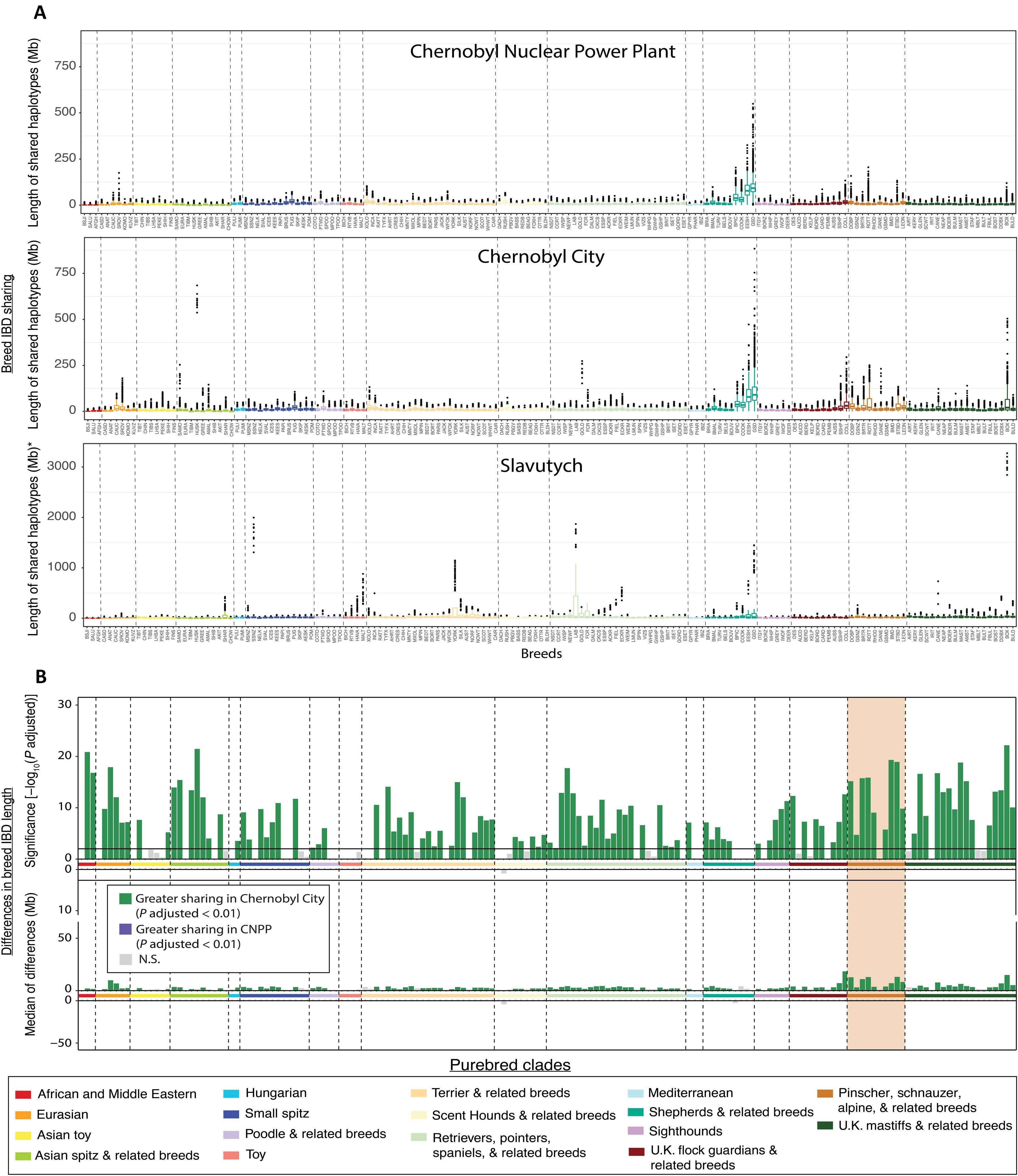
Significant genetic findings among CEZ dogs include:
- Accelerated genetic evolution: Dogs in the exclusion zone show marked genetic distinctions and a faster rate of evolutionary change due to the harsh environment.
- Radiation-associated mutations:
- Consistent DNA alterations tied to prolonged low-level ionizing radiation exposure.
- Mutations that may enhance their ability to survive and reproduce under extreme radioactive conditions.
- Lower genetic diversity in certain groups:
- Populations residing closest to the nuclear facility show signs of inbreeding and a limited gene pool.
- Adaptive immune system enhancements:
- Modifications possibly linked to coping with radiation and environmental toxins.
- Changes in fur pigmentation:
- Darker coat shades, likely tied to increased melanin, possibly offering protection against radiation.
- Heightened inbreeding within isolated packs:
- Restricted gene flow and zoning barriers foster distinct familial genetic patterns.
Could Radiation Be Driving Evolutionary Acceleration?
Is it really plausible that radiation causes such rapid evolutionary shifts? The answer is yes. Radiation can induce DNA mutations that hasten evolutionary developments. Historically, controlled radiation exposure has been used experimentally to produce beneficial mutations in many living organisms.
Chernobyl’s dogs might be undergoing parallel processes, where chronic radiation exposure speeds up genetic adaptations. Their evolution extends beyond mere survival to potentially generating new physical or behavioral traits, possibly even new breeds.
Ostrander emphasizes the importance of this research: “What genetic obstacles have these dogs overcome, and what mechanisms support their survival?” The emerging genetic patterns may reflect mutation-driven tolerance to radiation, opening a new window into evolutionary biology.
Broader Evolutionary Changes in Chernobyl’s Wildlife
Dogs aren’t the only creatures evolving rapidly around Chernobyl. Frogs, birds, and other species show similar genetic changes. For example, tree frogs in the region, usually green, are displaying darker skin, possibly due to melanin mutations helping manage radiation effects.
This hints at a broader evolutionary acceleration driven by radiation among various species. The CEZ, with its sparse human presence, functions as a natural research ground for observing quick genetic shifts in wildlife.
What Lies Ahead for Chernobyl’s Ecosystem?
Ongoing studies are crucial to understanding the enduring impact of these genetic adaptations. The exclusion zone offers a unique natural laboratory to explore:
- How life perseveres under extreme environmental stress
- The pace and character of evolutionary adaptation
- The relationship between radiation and genetic mutation rates
- The ability of species to thrive in seemingly unlivable habitats
Examining the biology of Chernobyl’s animals, particularly its dog population, may deepen knowledge on evolution and environmental adaptation. These insights could even elucidate aspects of human evolutionary potential in transforming habitats.
These findings were first shared in the journal Science Advances.








0 comments
Sign in to Comment