
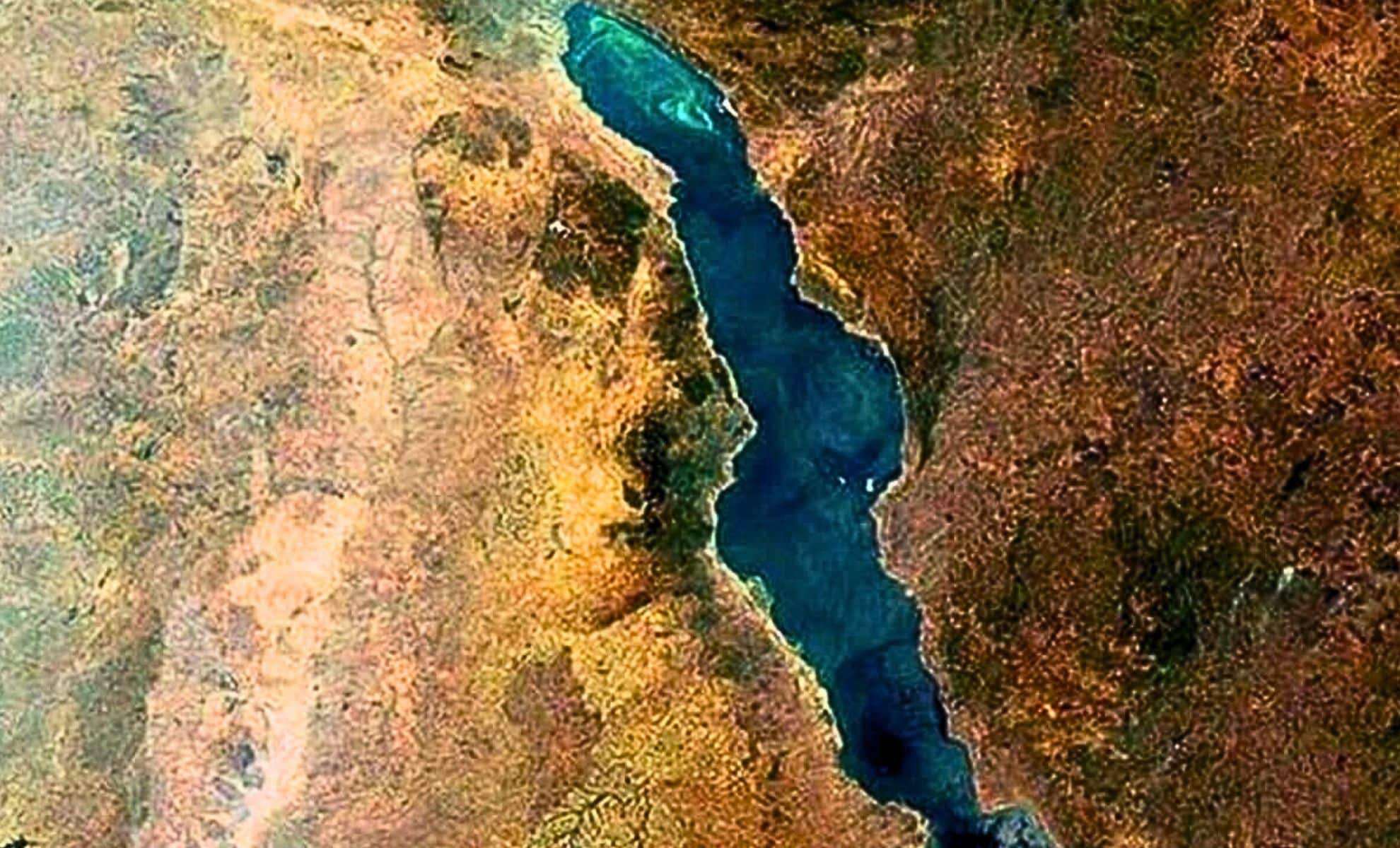
The African landmass is experiencing a significant geological shift as powerful tectonic movements initiate the creation of an entirely new ocean. The expansive East African Rift System—a complex series of fractures running from Mozambique up to the Red Sea—is steadily transforming the terrain. Recent research indicates that this monumental event, previously believed to take millions of years, might occur in around a million years or potentially even sooner.
Continuous Drift of a Continent
Beneath the surface, the African and Somali tectonic plates are diverging at a steady pace of roughly 0.8 centimeters per year. This gradual but relentless separation is slicing through East Africa, creating substantial rifts and progressively fragmenting the region.
A remarkable illustration of this activity is found in Ethiopia’s Afar Depression, where a rift stretching approximately 60 kilometers has opened up, plunging down to depths of about 10 meters. While these changes seem minimal on a daily basis, they signify the early stages of an ocean that may eventually separate parts of East Africa from the mainland.

“We’ve reduced the timeframe to about 1 million years, possibly even half that,” says Cynthia Ebinger, a geoscientist at Tulane University.
This accelerated estimate suggests that unpredictable natural occurrences such as volcanic eruptions or earthquakes might hasten the rift’s development, potentially causing swift geological changes.
Witnessing Ocean Genesis
The East African Rift System uniquely provides scientists with a live example of how continental crust transforms into oceanic crust. This phenomenon previously contributed to the formation of the Atlantic Ocean millions of years ago, and now researchers can observe this extraordinary process firsthand.
In 2005, Ethiopia experienced a remarkable geological episode where more than 420 earthquakes within just weeks led to the rapid emergence of a new fissure. What normally occurs over centuries unfolded within days, demonstrating that tectonic shifts can sometimes proceed at breathtaking speeds.
Transformative Effects on Africa’s Environment
The advent of this new ocean will dramatically alter Africa’s geographical layout, impacting ecosystems, economies, and infrastructure.
Key consequences of the ocean’s creation
- New shorelines: Countries such as Zambia and Uganda may soon gain access to the sea.
- Economic growth: Emerging coastlines could foster fresh trade opportunities and port developments, invigorating local economies.
- Ecological shifts: Marine habitats will develop, leading to biodiversity changes.
- Infrastructure adjustments: Nations must contend with rising waters, changing terrains, and seismic hazards.
Though the new ocean may seem a distant prospect, its implications for Africa’s future landscape are profound. Scientists emphasize the importance of enhanced study, observation, and strategic planning to prepare for these upcoming changes.

The Dynamic Pulse of Earth’s Tectonics
The creation of Africa’s future ocean is a vivid example of the planet’s ever-changing geology. As tectonic dynamics continue to mold the continent’s outline, researchers strive to unravel the potential consequences for both the region and the world.
The ongoing rifting in East Africa serves as a striking reminder that the Earth is constantly evolving, with continents fracturing, oceans forming, and global landscapes being endlessly reshaped.
- Categories:
- Science








0 comments
Sign in to Comment