
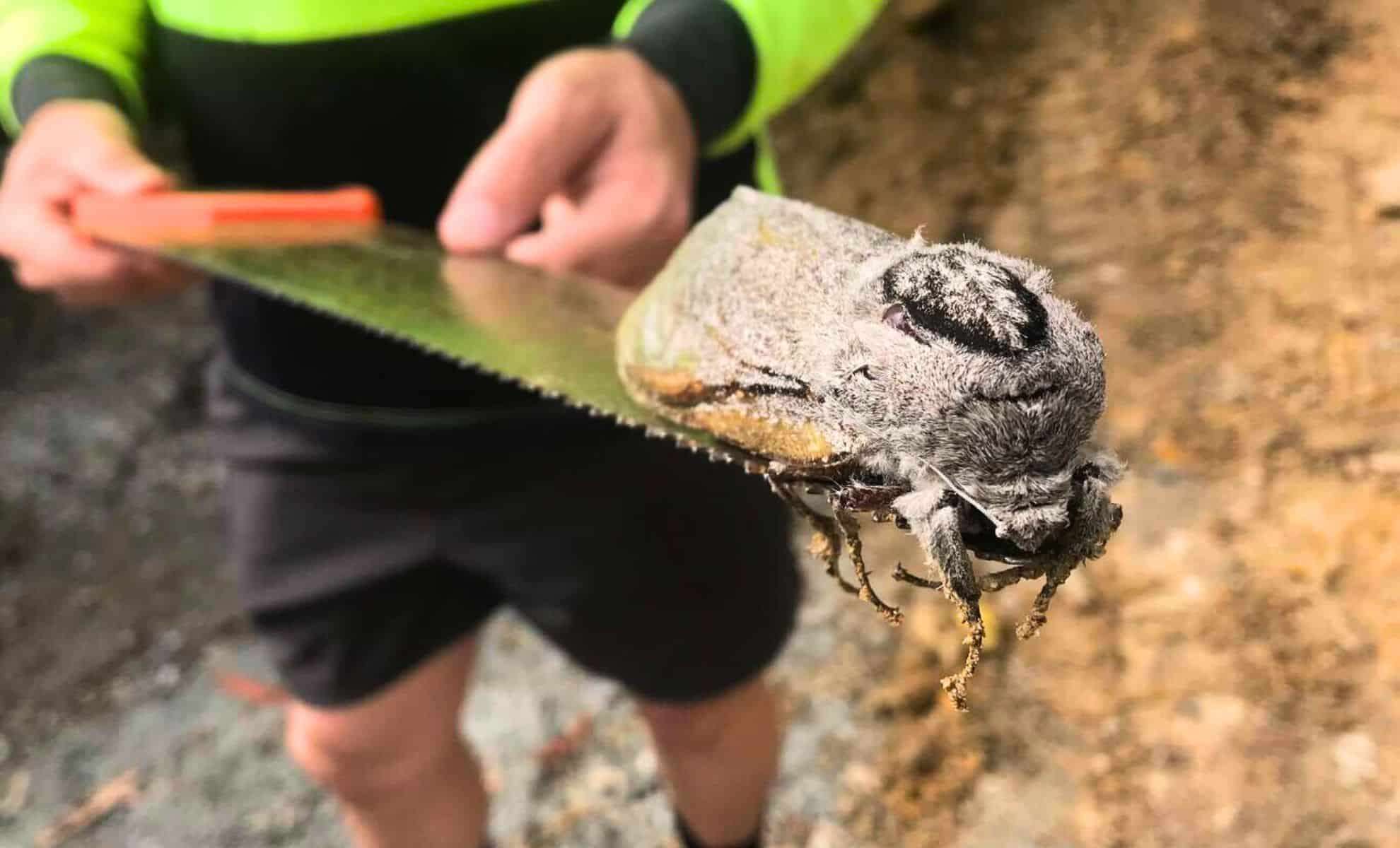
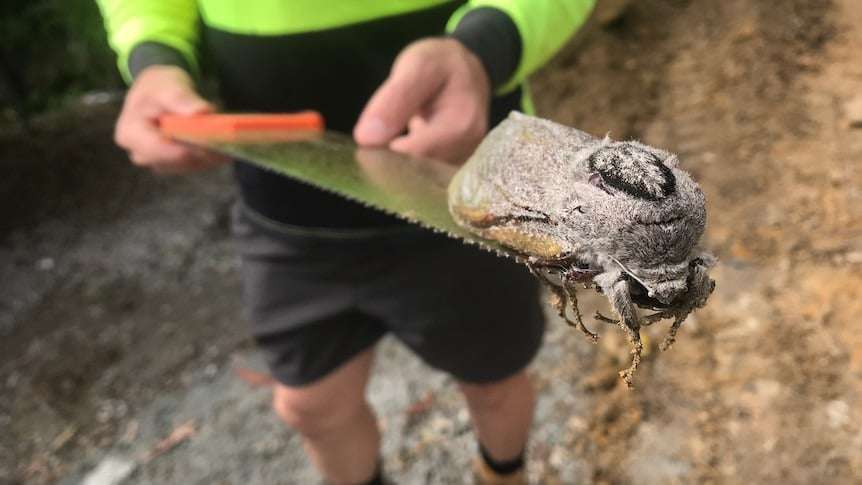
Australia boasts an impressive array of unique wildlife, from Antarctic emperor penguins occasionally washing ashore to the largest recorded great white shark. Adding to these remarkable finds, construction teams in Queensland recently came across a spectacular specimen: a giant wood moth described as being the size of “two fists pressed together.”
The specimen was discovered unexpectedly at Mount Cotton State School, situated near a rainforest. School principal Megan Steward noted that the grounds frequently host a range of wildlife such as bush turkeys, wallabies, koalas, snakes, echidnas, and more. Still, no one had previously encountered a giant wood moth on campus.
ABCNews reported that the moth's impressive mass made it incapable of flight. After photographs were taken, the builders carefully relocated the moth to a nearby tree, hoping it might find a mate or lay eggs.

“We have a range of animals on our grounds at Mount Cotton State School… But a giant wood moth was not something we had seen before.” – Megan Steward
No students were present during the discovery, though they later viewed photos of the enormous moth and were inspired to write stories about it for a class project.
The World's Largest Moth by Weight
The giant wood moth (Endoxyla cinereus) holds the title of the heaviest moth globally. Native to Australia and New Zealand, these regions are renowned for their impressive fauna.
Adult giant wood moths can reach weights up to 30 grams and have a wingspan ranging between 15 and 25 centimeters (6–10 inches). Their size results from an extended larval phase, during which they feed on eucalyptus and acacia trees.
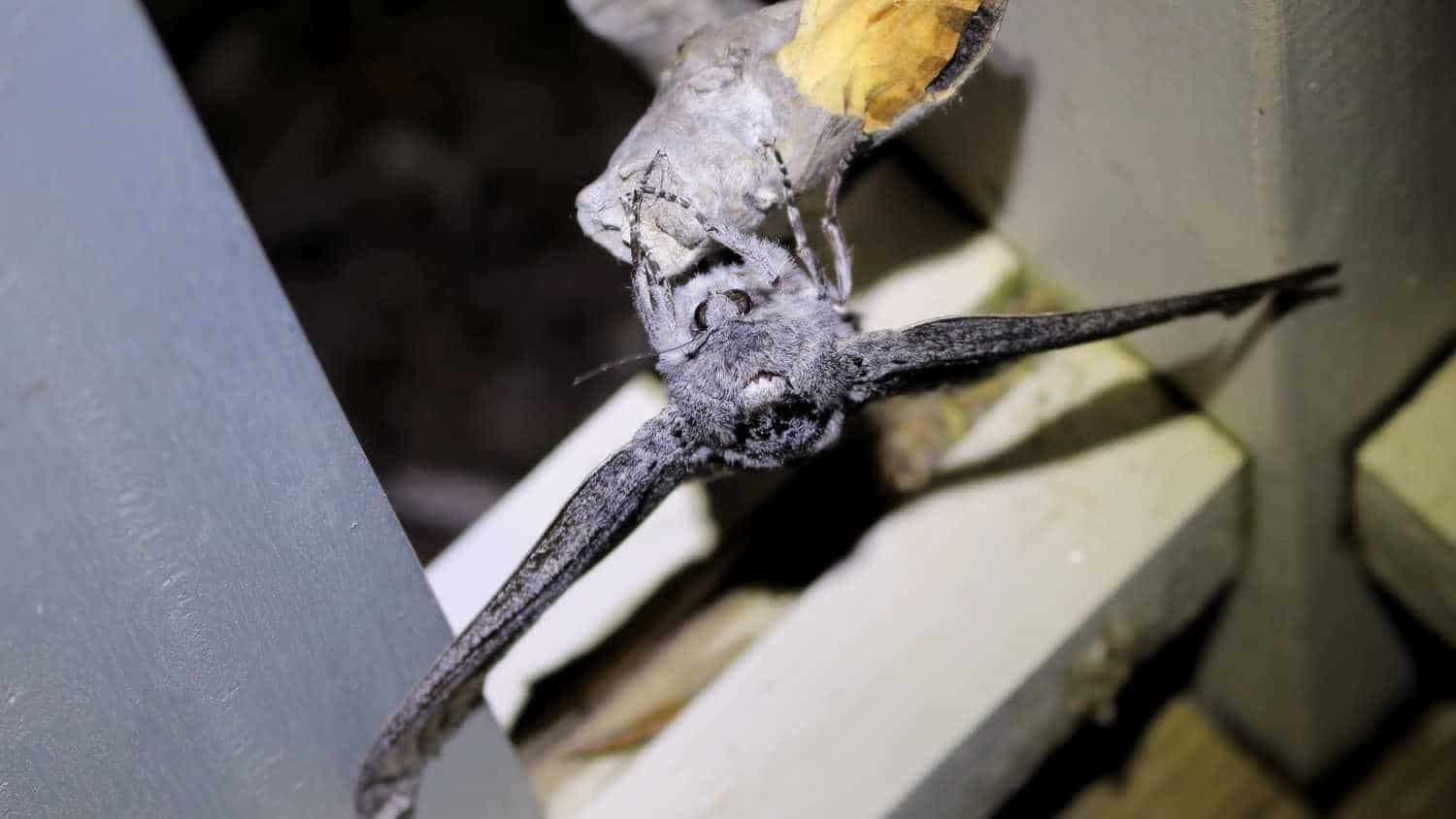
Female moths are notably heavy, as they carry upwards of 20,000 tiny yellow eggs. Their considerable mass often prevents flight, causing them to crawl in search of mates instead.
Reasons Behind the Rarity of Giant Wood Moths
Despite their notable size, giant wood moths are infrequently observed. They spend most of their lifespan concealed as larvae embedded within trees, with the adult moth stage lasting only a brief period.
Their lifecycle begins when eggs hatch, and larvae produce silk threads to drift through the air. Afterward, they burrow underground to feed and grow, although the duration of this subterranean phase remains unclear.
When sufficiently mature, the larvae scale trees and bore into bark, sealing themselves inside with a protective gelatinous layer. This larval stage can last up to three years, during which they feed on sap and grow dramatically.
Once transformation completes, they emerge as adult moths. Adults do not feed and survive just a few days, sufficient only to reproduce before dying. Their fleeting adult life makes sightings of live giant wood moths exceedingly rare, especially specimens as large as the one discovered in Queensland.
Conservation Concerns Facing the Giant Wood Moth
Although not currently classified as endangered, giant wood moths confront significant environmental challenges that threaten their populations.
The effects of climate change on these moths are not yet fully understood, but scientists suspect that warmer temperatures hasten their development. This accelerated growth could reduce the time spent in the larval stage, preventing them from reaching their maximum size and causing a decline in large individuals.
Habitat loss through deforestation is another critical issue. These moths depend on Australian and New Zealand rainforests for survival, but forest clearing reduces available trees for larvae to inhabit. This habitat destruction also increases the risk of larvae perishing when host trees are felled prematurely.
Because the larval phase can last up to three years, removal of eucalyptus and acacia trees significantly endangers the species' continued existence.
- Categories:
- Nature









0 comments
Sign in to Comment