

Emerging studies are highlighting a concerning connection between alcohol use and the progression of Alzheimer’s disease, a leading cause of dementia.
Evidence points to even moderate alcohol use as a factor that may contribute to declining cognitive abilities, raising red flags about its impact on brain wellness.
With nearly one million individuals affected by dementia in the UK, gaining deeper insights into these associations is crucial.

Research conducted by Atrium Health at Wake Forest University School of Medicine offers compelling evidence that alcohol—even in moderate amounts—may accelerate neurological damage.
Recent Discoveries Linking Alcohol to Alzheimer’s Progression
A 2023 investigation by Atrium Health scientists explored how alcohol impacts the brain through a model using mice. These animals had the choice between water and alcohol for 10 weeks, simulating human drinking habits.
Results demonstrated that even “low to moderate” alcohol intake worsened brain shrinkage and increased the buildup of amyloid plaques, toxic protein clusters strongly tied to Alzheimer’s disease.
Lead author Associate Professor Shannon Macauley from Wake Forest University School of Medicine proposed that alcohol may hasten Alzheimer’s onset by intensifying the disease’s early pathological events.
Insights from Oxford and Wake Forest on Alcohol’s Impact on Brain Function
These results echo findings from a 2024 study at Oxford University, which identified alcohol as a major driver of cognitive deterioration.
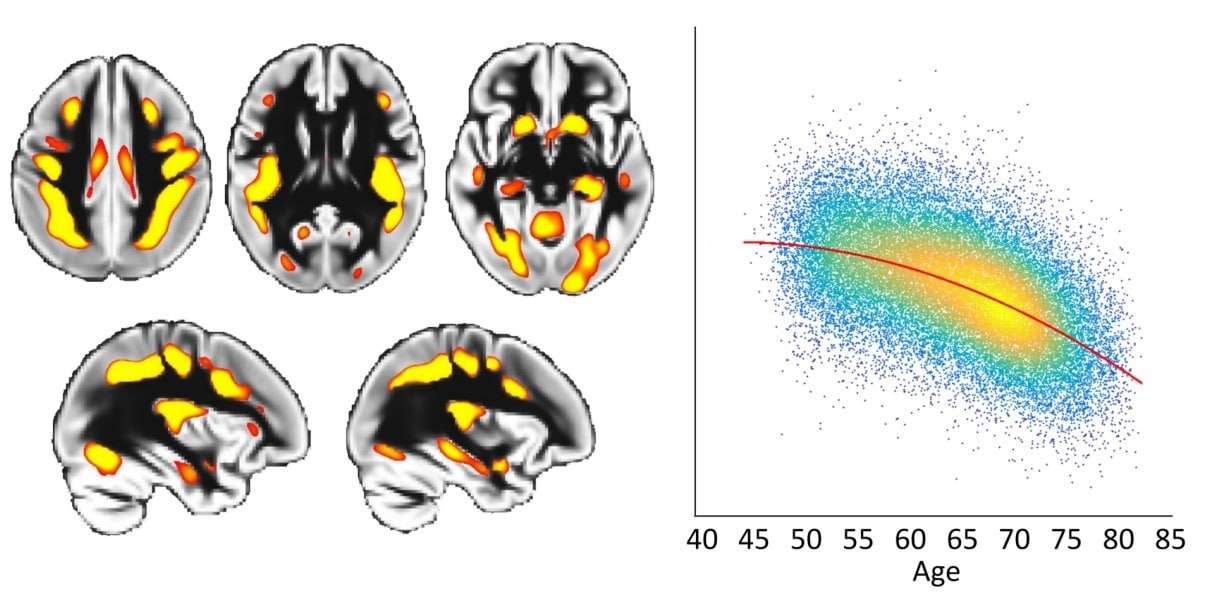
Oxford researchers examined brain imaging from 40,000 participants and determined that alcohol, alongside diabetes and air pollution, prominently contributes to the decline of brain regions susceptible to Alzheimer’s damage.
Professor Gwenaëlle Douaud, who spearheaded the Oxford research, highlighted the heightened sensitivity of certain brain areas to these harmful influences, especially with advancing age.
Together, the Oxford and Wake Forest investigations underscore how alcohol’s effects on brain health may not only trigger early Alzheimer’s but also exacerbate its later stages.
Understanding the Biological Processes Behind Alcohol’s Brain Effects
The Wake Forest team discovered that alcohol exposure raised levels of both large and a greater number of smaller amyloid plaques, possibly setting the stage for further plaque development over time.
Interestingly, alcohol withdrawal was associated with elevated amyloid-beta—a critical component of amyloid plaques. Chronic alcohol use also prompted metabolic disruptions, increasing blood sugar and insulin resistance markers, both recognized contributors to Alzheimer’s risk.
While these metabolic alterations are linked to various conditions, alcohol may worsen disorders such as type 2 diabetes and heart disease, which in turn elevate dementia risk.
Guidelines for Alcohol Use to Protect Brain Health
Health authorities continue to stress the importance of drinking within safe limits based on current evidence.
UK guidelines recommend limiting alcohol intake to no more than 14 units per week, roughly equal to six pints of 4% beer or six 175ml glasses of wine.
These boundaries aim to reduce risks associated with excess alcohol, including cognitive impairment and dementia.
Given the increasing evidence of alcohol-related brain harm, adherence to these limits is essential for safeguarding long-term neurological well-being.
- Categories:
- Science













0 comments
Sign in to Comment