
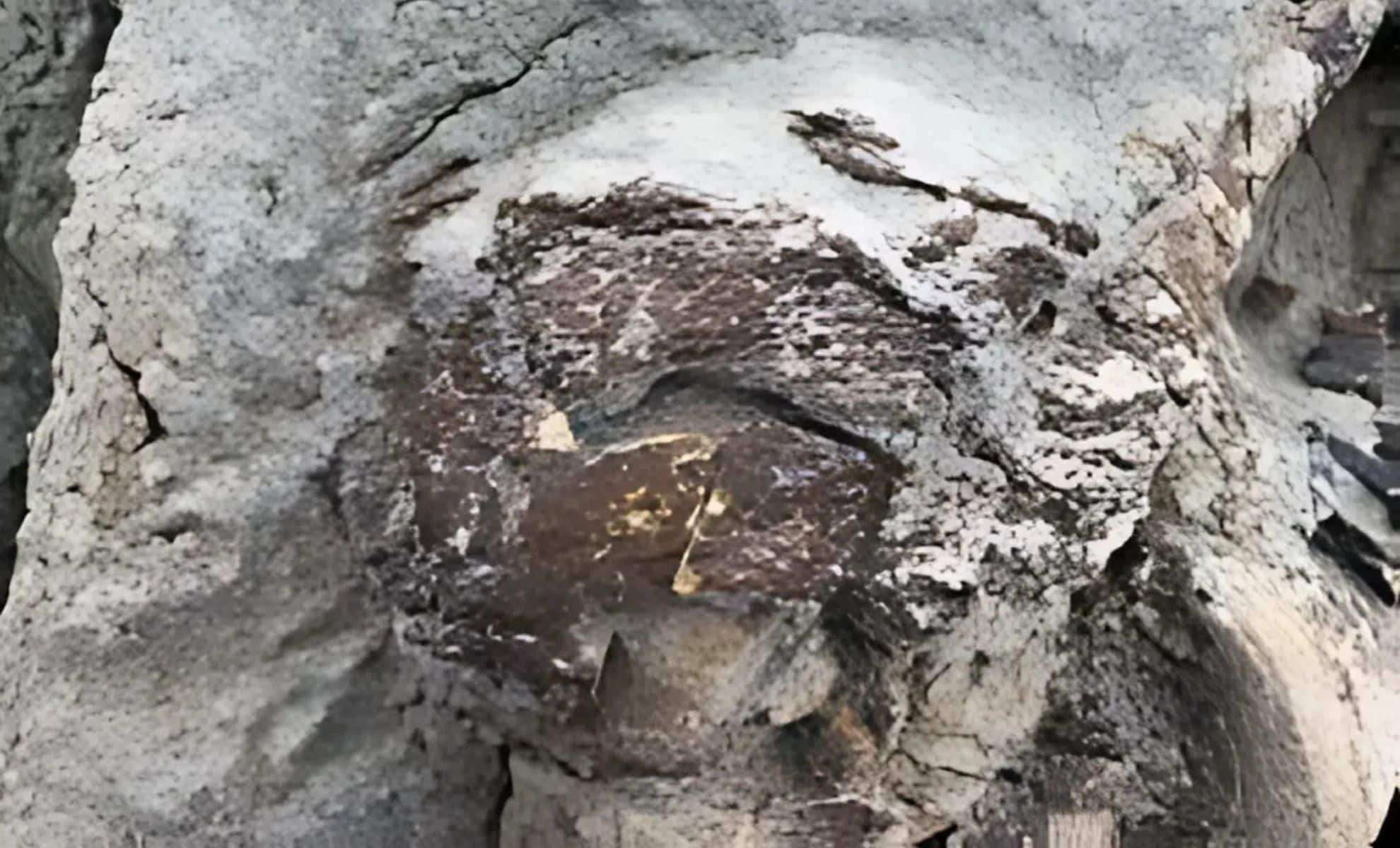
A strikingly intact dinosaur specimen has been discovered in Dinosaur Provincial Park, Alberta, Canada. This find, documented by scientists from the University of Reading and the University of New England and published in partnership with the Royal Tyrrell Museum, features a large segment of a young hadrosaur’s skeleton along with fossilized skin.
Unearthing a Rare Juvenile Hadrosaur
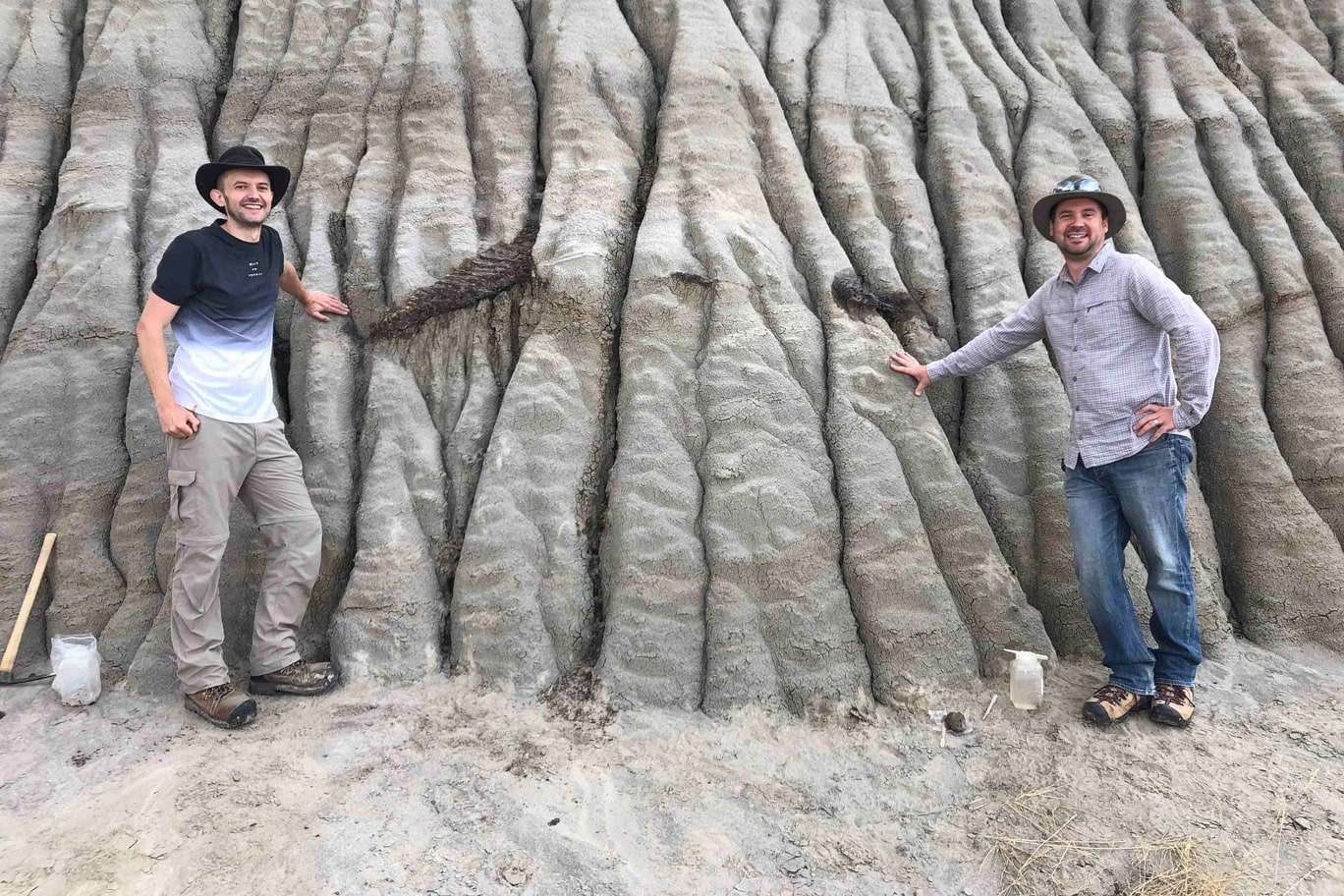
The fossil was initially identified in 2021 during an exploratory field visit led by Dr. Brian Pickles of the University of Reading. Volunteer Teri Kaskie noticed bones protruding from a slope within Dinosaur Provincial Park, a well-known hotspot for dinosaur fossils. The visible remains include parts of the tail and the right hind foot, positioned in a manner suggesting that the full skeleton might still be embedded within the hill.
"We aim to complete excavation across the next two field seasons. Given the small scale of the tail and foot, this appears to be a juvenile specimen. While adult hadrosaurs are commonly found in the fossil record, juvenile fossils are comparatively rare. This discovery could shed light on the growth and development of hadrosaurs," Dr. Pickles explained.

This extraordinary specimen, often dubbed a “dinosaur mummy,” provides a unique insight into the structure and appearance of these ancient reptiles.
Fossilized Skin Offers Rare Insight into Dinosaur Physiology
One of the fossil’s most exceptional features is the preservation of skin covering extensive portions of the skeleton. According to Dr. Caleb Brown from the Royal Tyrrell Museum, such soft tissue preservation is exceptionally rare and scientifically valuable. The skin remains can offer clues about the hadrosaur’s texture, color patterns, and possibly its environmental adaptations or behaviors.
Having access to preserved skin helps scientists reconstruct the hadrosaur’s external characteristics and enhances understanding of its biology. "This discovery hints at even more fossilized skin potentially enclosed within the surrounding rock, promising further revelations about the hadrosaur’s appearance," Dr. Brown added.
Excavation and Study to Reveal Full Story
After thorough excavation, the fossil will be transported to the Royal Tyrrell Museum’s Preparation Lab. Skilled preparators will carefully remove the surrounding rock to expose the fossilized remains fully.
This preparation will determine the skeleton’s completeness, the extent of the fossilized skin, and the exact hadrosaur species identification, which hinges on finding a skull. Due to the fossil’s size and exceptional preservation state, the preparation and study process could span several years.
Providing a Rare Window into Dinosaur Life
This discovery represents an uncommon event where paleontologists uncover a nearly complete dinosaur skeleton with fossilized skin, especially from a juvenile hadrosaur.
It highlights Dinosaur Provincial Park’s significance as a premier paleontology site and showcases the collaborative international research efforts behind such finds. The fossil will deepen scientific understanding and inspire the public by linking us directly to a life form from more than 75 million years ago.
- Categories:
- Science


0 comments
Sign in to Comment