

While refurbishing their historic 17th-century farmhouse in West Dorset, England, a couple uncovered a remarkable treasure dating back to the English Civil War period. The find occurred when they lowered the floor height of their South Poorton property and accidentally struck a ceramic vessel containing close to 100 coins that had been hidden underground for hundreds of years.
A Secret Cache Hidden Beneath the Floor for Centuries
The rare discovery happened about five years ago during renovation work by Robert and Betty Fooks. As Robert dug with a pickaxe, he unexpectedly struck a glazed pottery bowl buried just beneath the surface. Inside were gold and silver coins untouched since the mid-1600s, preserved in the container for nearly four centuries.
“One evening,” Betty recounted to The Guardian, “I was with the children when my husband shouted out that he’d found something. He placed all the coins into a bucket.”

Experts later dated the hoard between 1642 and 1644, corresponding to the turbulent early years of the first English Civil War. This collection, named the Poorton Coin Hoard, featured gold coins issued during the reigns of James I and Charles I, accompanied by silver denominations such as half crowns, shillings, and sixpences. Additionally, some coins extended back further to the eras of Elizabeth I, Phillip, and Mary.

Concealed Due to Civil War Insecurity
After discovering the hoard, the Fooks promptly alerted officials. The coins were sent to the British Museum for assessment and conservation. Researchers concluded the entire stash was likely buried in a single event amidst the chaos of the war, when many households hid valuables to avoid loss amid rampant violence and upheaval.
During the 1600s, raids by combatants—whether Parliamentarians or Royalists—were frequent. Soldiers scavenged homes for supplies or money, leading civilians to conceal assets in secret places like walls or underground spots, hoping to reclaim them when stability returned. Betty reflected, "I imagine the owner intended to recover the coins but was prevented from doing so.”
University College London's historian Waseem Ahmed explained, “Being suspected as a royalist could result in your estates being confiscated by Parliamentarians, and the opposite was also true.” This environment of mutual suspicion and danger meant that political allegiance could mean the difference between survival or ruin.
The Key Role of Dorset in the English Civil War
The rural Dorset area, where the treasure was discovered, held strategic significance during the conflict. Troop movements and shifts in local power were common, with influential families like the Sydenhams and Strangways known to change loyalties tactically.
Nearby Lyme Regis was the site of a notable eight-week Parliamentarian siege in 1644, where brave smugglers breached naval blockades to bring in supplies. These events highlight how even remote communities faced persistent threats of violence throughout the war years.
In villages such as Poorton, residents lived under constant threat of sudden raids, often having minimal time to safeguard belongings. It was under these dire circumstances that the Poorton hoard was hidden —concealed not solely from caution but from urgent desperation.
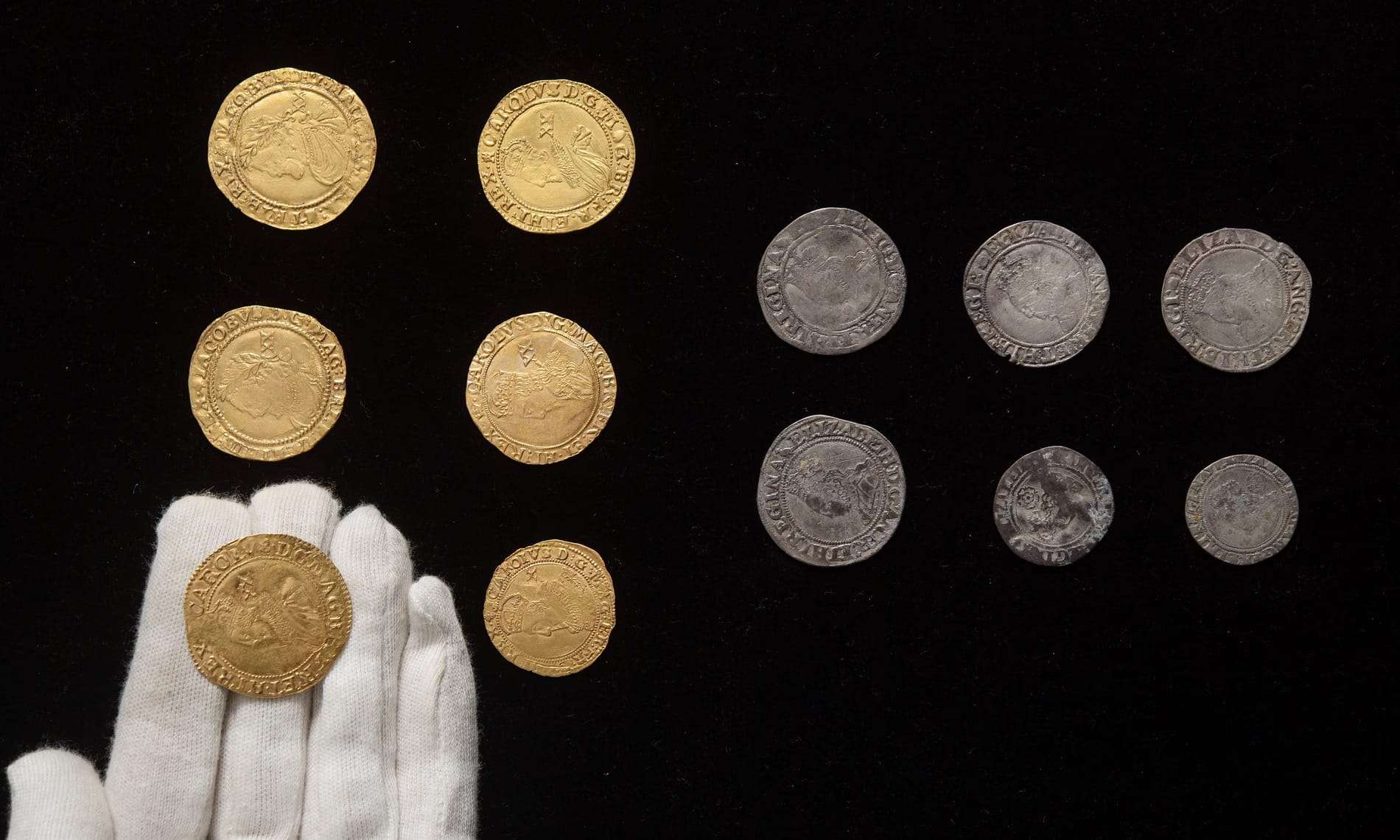
A Priceless Discovery Returns to Light
More than 375 years after being buried, this cache of precious coins reemerged at a tranquil Dorset farm during a typical home improvement project. Preserved beneath the earth through centuries of turmoil, the coins’ unearthing provided a tangible connection to a conflicted past.
The collection was examined by specialists who quickly recognized its rarity and historic importance. After a brief museum display, the coins were auctioned at Duke’s Auction House, fetching $75,000. This sale brought the hidden story of the Poorton hoard from obscurity into the public eye.
“Had we not lowered the floor, this treasure might still be lying undiscovered,” said Betty, whose home renovation led to the extraordinary find. Their accidental uncovering offers a valuable glimpse into England’s turbulent 17th-century history.
- Categories:
- News









0 comments
Sign in to Comment