
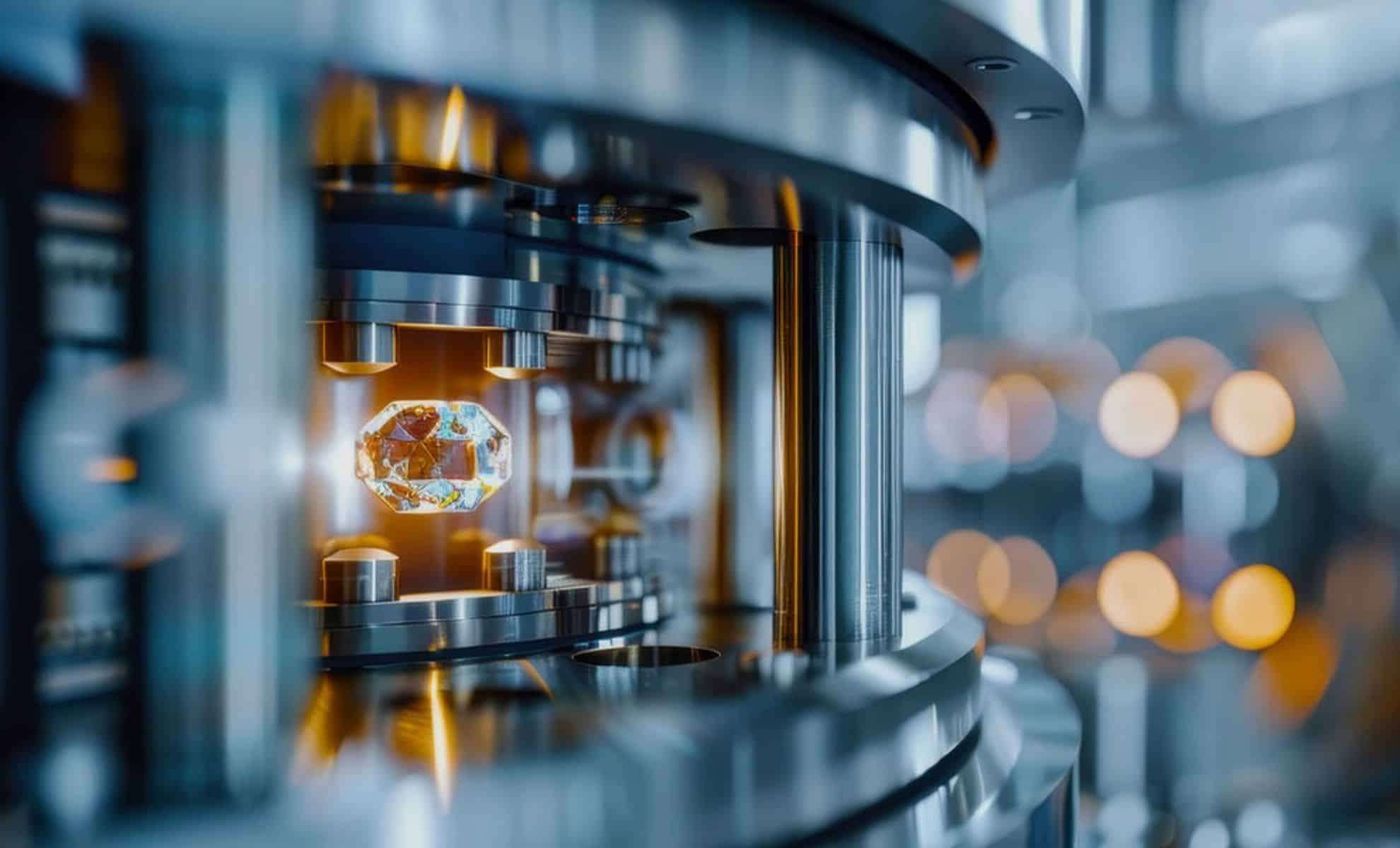
Innovators are crafting a groundbreaking nuclear diamond battery designed to deliver a continuous energy supply across millennia without requiring replacement or recharging. Originating from early experiments at the University of Bristol and currently advanced by enterprises like NDB Inc., this method incorporates radioactive carbon within a synthetic diamond to create a remarkably enduring and safe source of power.
Innovative Power Source Using Radioactive Carbon
The core of this technology is the radioactive isotope carbon-14, which accumulates in graphite blocks used in nuclear reactor processes. With a half-life of roughly 5,730 years, carbon-14 emits a low, steady energy flow during its decay. When embedded within a lab-created diamond, this energy can be converted into electricity while the diamond acts as a natural radiation barrier, ensuring safety.
Dr. Tom Scott, the lead scientist behind early research at Bristol, explained to the BBC that the battery “would have no moving parts, no emissions, and require no maintenance,” highlighting its potential as a secure method to reuse nuclear waste. Despite the modest power levels per cell, its extremely long service life makes it ideal for devices with low energy demands that are difficult to recharge or replace.

Revolutionizing Power Supplies for Space Missions
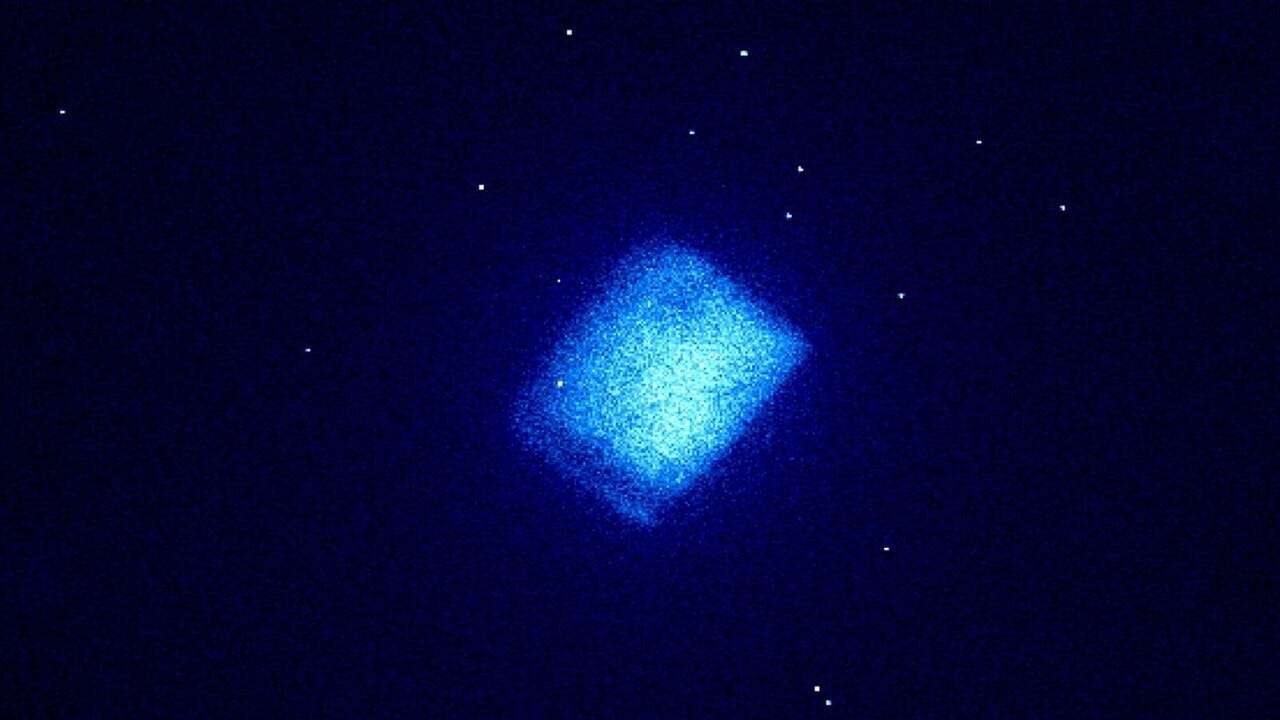
One of the most promising uses is in space exploration. Conventional solar energy systems are unreliable in shadowed areas or far from sunlight, whereas radioisotope thermoelectric generators (RTGs) that power crafts like Voyager and Curiosity depend on scarce and highly controlled plutonium-238. This diamond battery, with its lightweight and stability, could provide energy for spacecraft instruments over centuries, making it a viable option for deep-space and interstellar missions.
NASA has expressed interest in alternative long-duration power technologies, outlined in its radioisotope power systems strategy. Experts suggest that if mass-produced successfully, diamond batteries could significantly reduce dependence on RTGs, although their currently limited power output presents a challenge.
Potential Applications in Medicine and Daily Technology
On Earth, this battery technology generates excitement for applications in consumer gadgets and healthcare devices. For instance, pacemakers powered by these batteries could last decades without replacement surgery. Similarly, environmental monitoring tools placed in remote or dangerous areas could function indefinitely without needing maintenance.
California-based startup NDB Inc. has presented prototypes that might eventually offer increased power, possibly extending the concept to mobile phones or laptops. Nonetheless, independent verification and peer-reviewed results remain scarce, so many experts urge cautious optimism regarding commercial readiness.
Challenges and Societal Acceptance
Although the scientific principles are promising, numerous obstacles remain. The expense involved in producing synthetic diamonds at scale is substantial, and managing radioactive elements—despite safe containment—entails stringent regulatory requirements. Additionally, winning public trust is crucial; even with the diamond effectively blocking radiation, convincing consumers to adopt a "nuclear battery" poses a significant marketing hurdle beyond the science.
Yet, the prospect of a battery lasting for thousands of years continues to attract attention among academics, policymakers, and industry specialists. As Professor Scott pointed out in the initial reports from the University of Bristol: “The amount of radiation escaping from a diamond battery is less than that emitted by the human body.”
- Categories:
- Science








0 comments
Sign in to Comment