
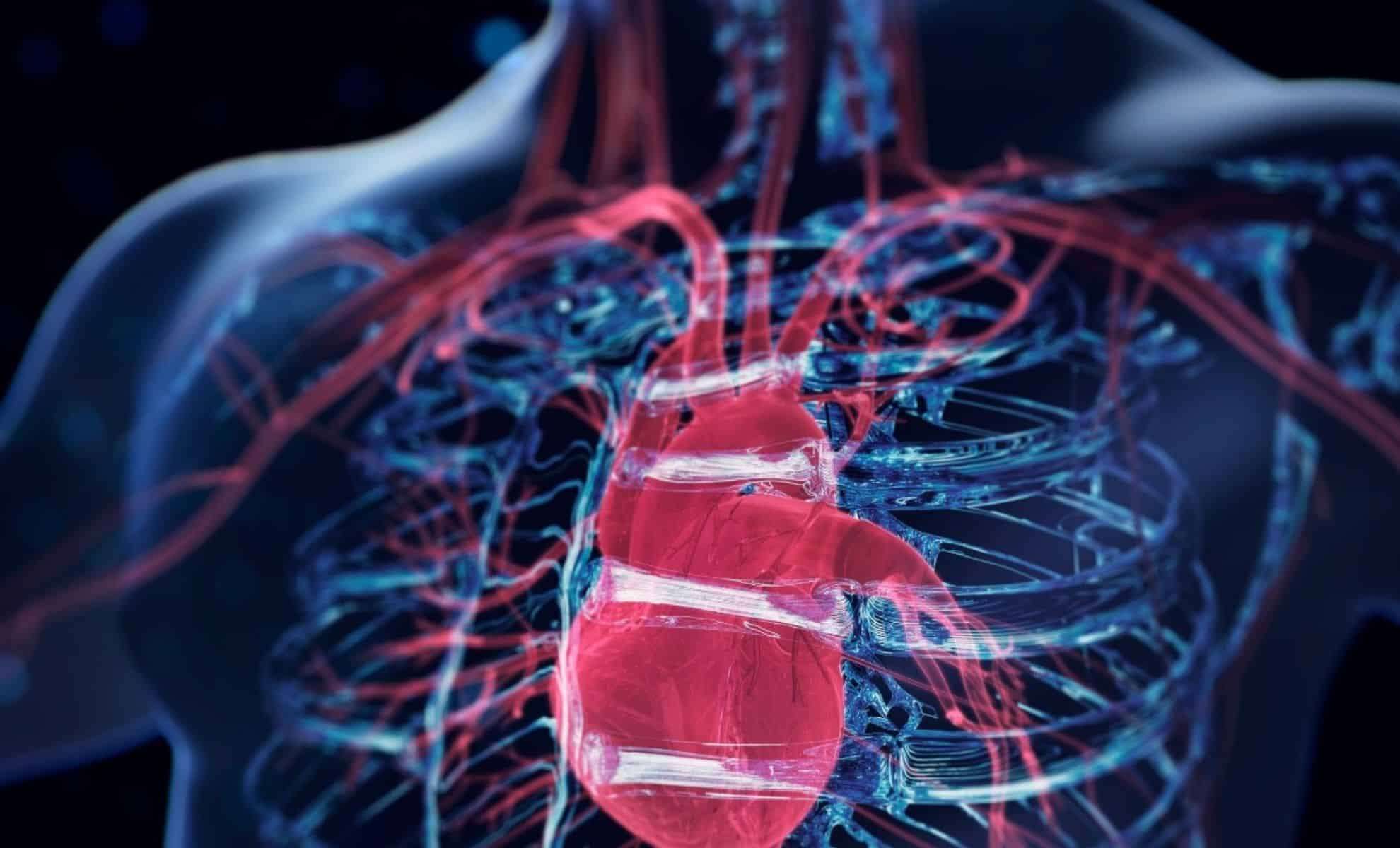
The aorta is a major blood vessel tasked with delivering oxygen-rich blood from the heart to the body’s tissues, playing an essential part in our circulatory system. While its elastic properties have been understood to help buffer pressure changes, new research indicates that the aorta's function is more dynamic than previously believed.
Recent studies reveal that the aorta actively contributes to heart function by producing a wave-pumping effect, which is vital for blood circulation, especially in patients suffering from heart failure.
Unveiling the Wave-Pumping Function of the Aorta
A paper published in the Journal of The Royal Society Interface explores the surprising discovery that the aorta can act as a secondary heart, assisting the main heart by pumping blood.

This mechanism, termed “wave-pumping,” involves the aorta expanding and contracting in response to the heart’s beat cycles. Although initially identified during the embryonic phases of circulation, evidence suggests this process continues throughout adult life, serving a critical role in sustaining blood flow.
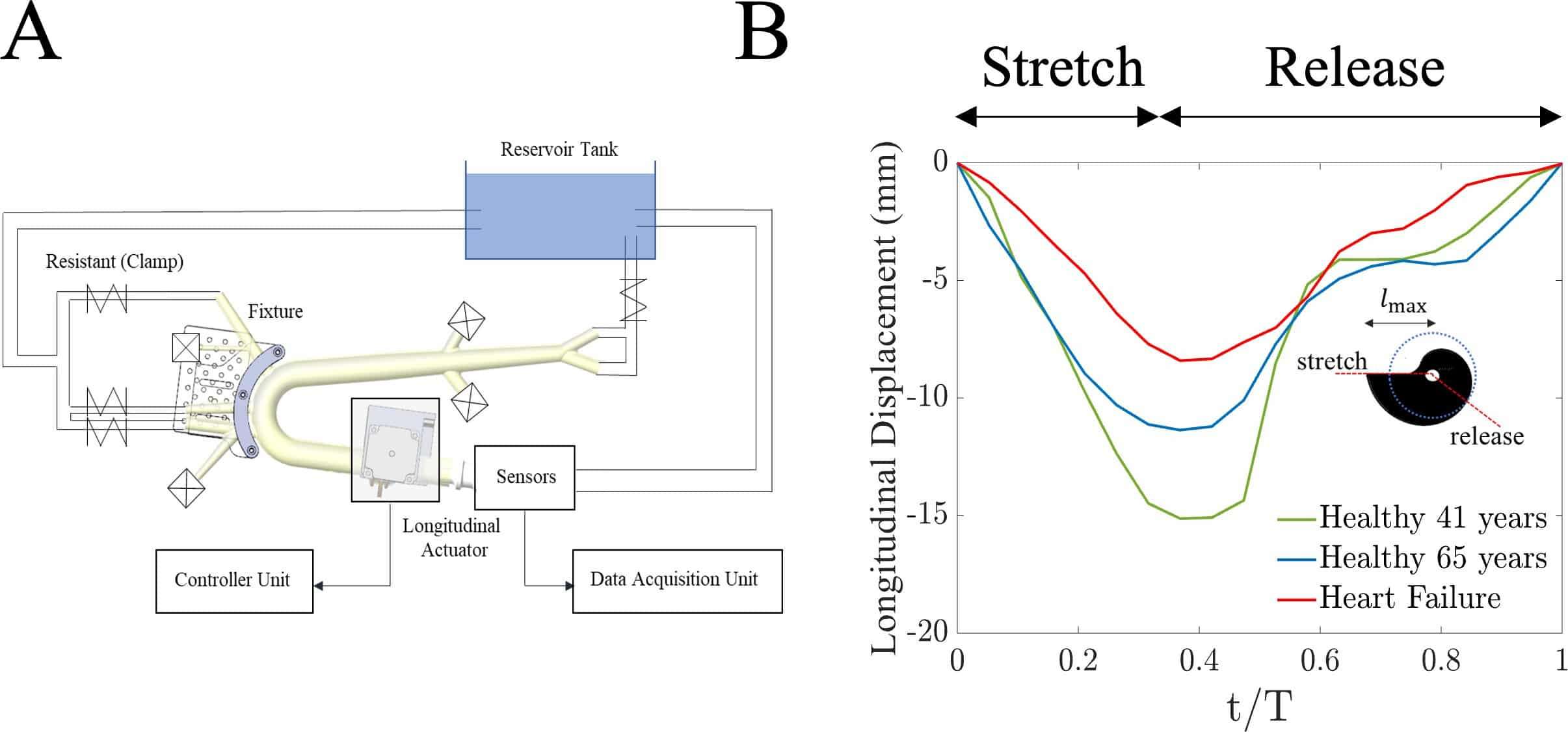
Researchers utilized magnetic resonance imaging (MRI) to examine aortic motion in 159 subjects, including those diagnosed with heart failure. The investigation uncovered distinct variations in aortic displacement patterns between healthy participants and those with heart failure.
Healthy individuals showed more pronounced aortic expansion, whereas this was diminished in heart failure patients. This supports the idea that the aorta’s elastic response may enhance circulation when the heart’s pumping efficiency declines.
The Dynamics Behind Aortic Expansion and Contraction
The wave-pumping effect, also called “impedance pumping,” depends on the aorta’s capacity to accumulate and release energy during the cardiac cycle. During systole (heart contraction), the aorta stretches as it receives blood.
During diastole (heart relaxation), it recoils, releasing the stored energy to maintain blood flow. This wave-pumping mechanism complements the heart’s pumping action, supporting circulation without increasing heartbeats.
This newfound insight sheds light on an underestimated aspect of aortic functionality. For patients with impaired heart function, the aortic wave-pumping may play an essential role in compensating for reduced cardiac output, thereby aiding the distribution of oxygenated blood throughout the body.
Potential Advances in Heart Failure Therapies
These findings have significant implications for heart failure interventions. By targeting the aorta’s supportive role in circulation, new treatments might reduce cardiac workload.
Scientists are investigating ways to improve the elasticity of the aorta to better assist blood flow in heart failure patients. While some antihypertensive drugs already aim to reduce arterial stiffness, how they affect the aorta’s wave-pumping ability remains to be fully understood.
This research also provides insight into why some individuals with compromised heart function can maintain sufficient circulation. The aorta may compensate for diminished cardiac pumping, ensuring continuous delivery of oxygen and nutrients to tissues.
Recognizing the aorta’s wave-pumping contribution opens new avenues for enhancing heart failure management and developing more effective therapies.
- Categories:
- Science













0 comments
Sign in to Comment