
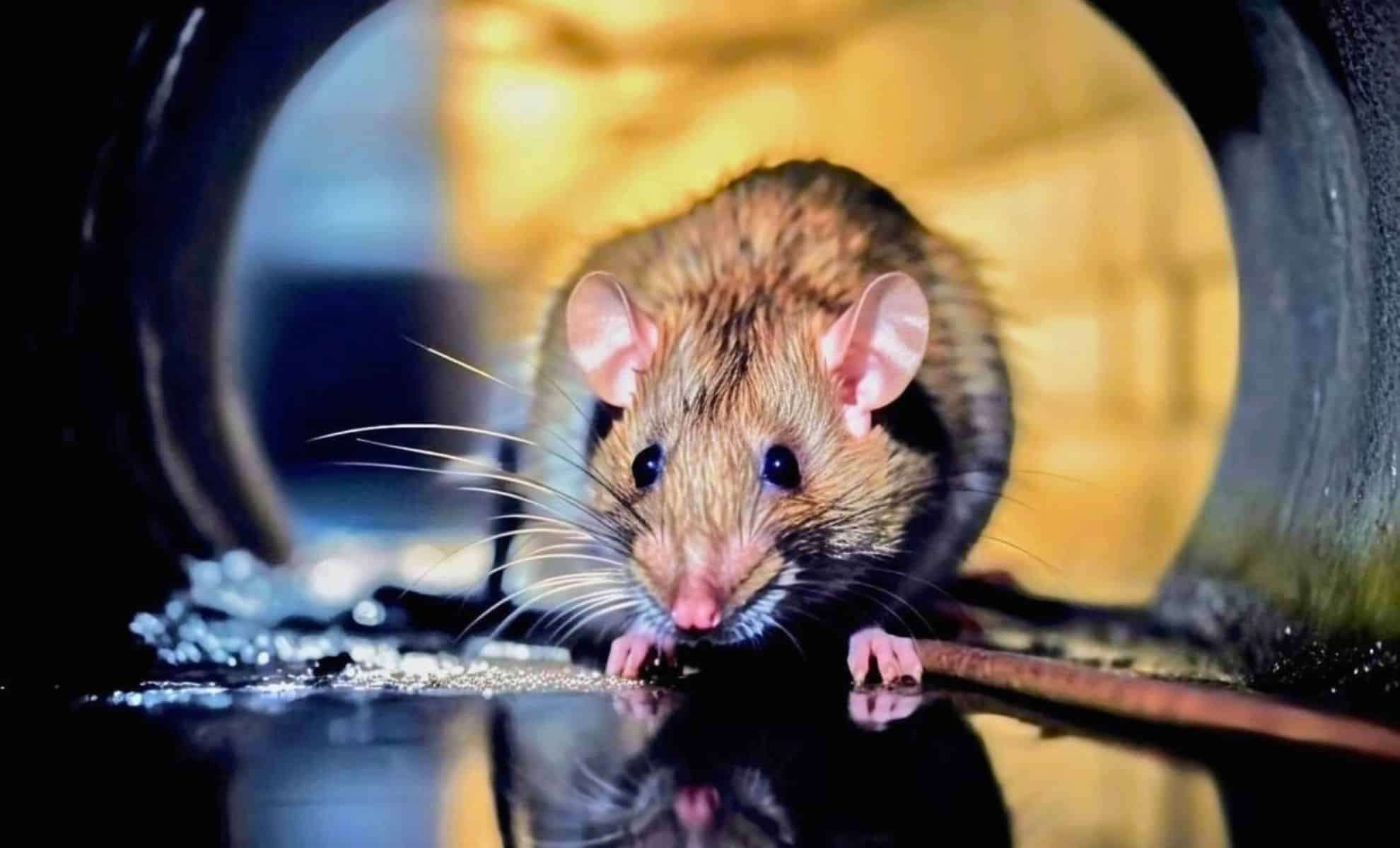
Is it possible that rats possess an extraordinary ability once thought to belong only in science fiction? Scientists from Harvard University and the University at Buffalo have discovered that these animals can seemingly control matter remotely through the use of high-frequency sounds. This remarkable finding challenges prior beliefs about animal physiology and opens up new avenues for exploring the hidden powers within the animal kingdom.
Unveiling the Role of Ultrasonic Sounds in Rat Behavior
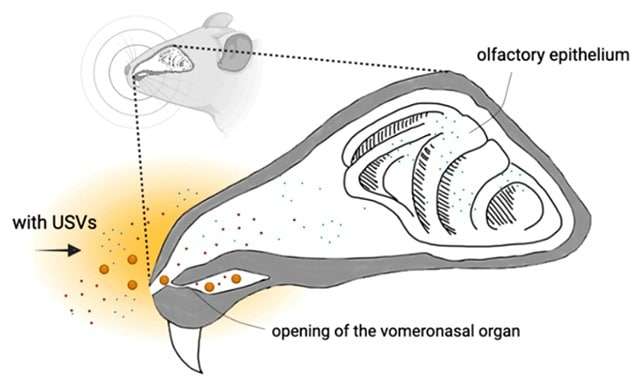
A recent investigation led by Eduardo Mercado III and Jessica Zhuo observed that rats produce ultrasonic vocalizations (USVs), which are sounds emitted at frequencies beyond human hearing, ranging from 22 kHz to 80 kHz. These ultrasounds generate air vibrations strong enough to shift tiny particles, enhancing the rats’ ability to detect pheromones—chemical signals important for social communication.
Unlike other animals that passively perceive scents, rats appear to boost their olfactory detection by releasing these vocalizations and promptly sniffing afterward. This behavior effectively manipulates the air currents to gather more pheromone molecules, supporting:

- Social communication: Sharing information about territory, mating readiness, and social status.
- Sharpened scent perception: Improving efficiency in detecting specific odors.
- Survival perks: Helping rats navigate, find food, and stay safe from predators.
This newly identified ability highlights that rats actively alter their environment to maximize sensory input, exemplifying a sophisticated evolutionary trait.
The Science Behind Ultrasonic Matter Manipulation
The process driving this behavior is intricate and intriguing. Key details include:
- Sound frequency: Rats produce USVs from 22 kHz up to 80 kHz, frequencies inaudible to humans that are highly effective in shifting air particles.
- Particle displacement: These ultrasonic waves move air molecules, assisting in pheromone delivery and detection.
- Coordinated sniffing: Rats follow these vocalizations with sniffing, creating a feedback loop that heightens olfactory sensitivity.
- Contextual use: USVs are emitted strategically during social behaviors like mating and marking territory.
This coupling of sound production and behavioral response forms an innovative mechanism by which rats influence their surroundings without physical contact. While animal vocalizations have typically been linked to communication or emotional expression, this insight shows they also have practical effects on interacting with the physical environment.
From Rats to Revolutionary Technologies
The broad implications of this finding reach well beyond rodent behavior. If ultrasonic vibrations can be harnessed to move particles remotely, this principle could inspire breakthroughs in various technological sectors, such as:
- Healthcare: Using ultrasonic waves to manipulate microscopic particles for precise, non-invasive medical procedures.
- Enhanced detection systems: Creating advanced scent-detection technologies for security, food quality, and environmental monitoring applications.
- Controlled delivery: Developing methods to accurately disperse aerosols or medications through ultrasonic control.
This discovery expands our understanding of biology’s potential to inform innovation. Could the natural ultrasonic abilities of rats spark the next generation of human technology? The scope of possibilities ranges from sensory augmentation to sophisticated diagnostic tools.
- Categories:
- Science










0 comments
Sign in to Comment