
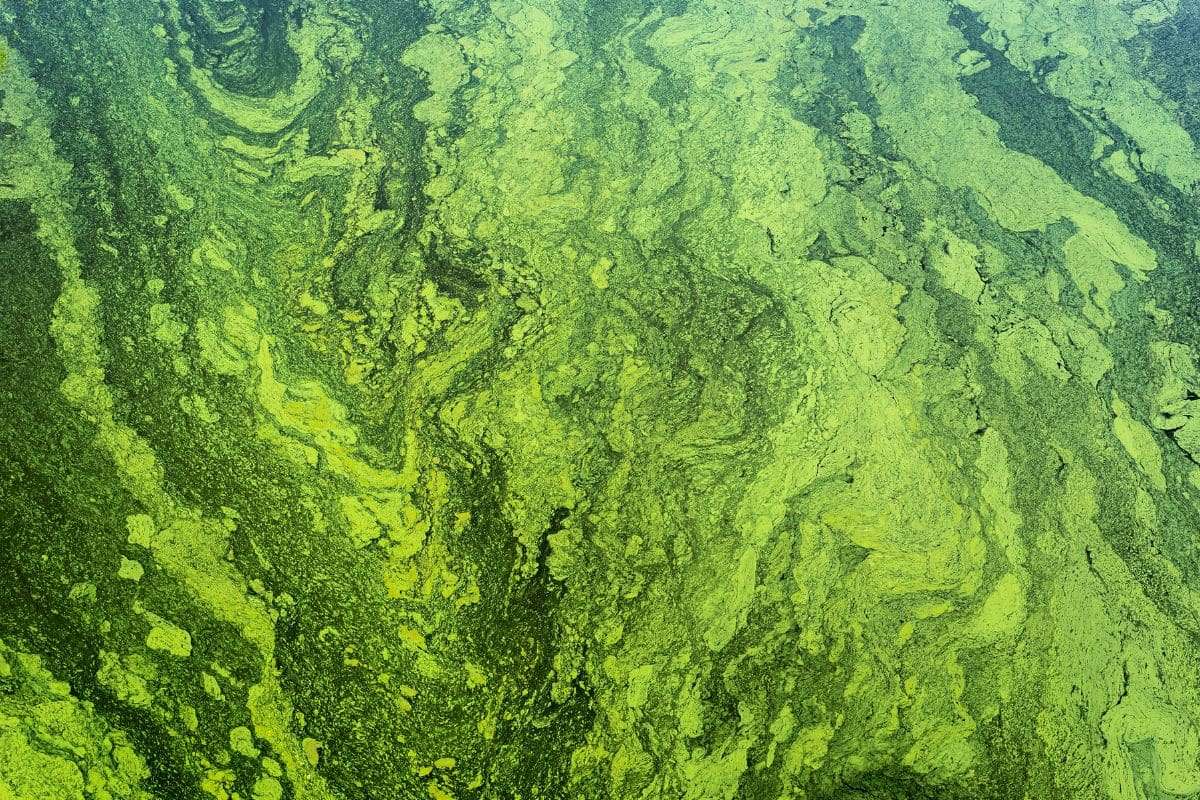
In a groundbreaking achievement, scientists have successfully brought back to life algae that had been trapped beneath the Baltic Sea floor for almost 7,000 years. This finding showcases the remarkable survival capabilities of microscopic organisms and offers new perspectives on Earth's ecological history.
Ancient Archives Hidden in Seabed Sediments
A team from the Leibniz Institute for Baltic Sea Research Warnemünde (IOW) extracted sediment samples from the Eastern Gotland Deep, one of the Baltic Sea’s most profound depths. The collected layers contain preserved biological material dating back millennia.
Within these sediments were dormant stages of Skeletonema marinoi, a prevalent diatom species known for causing spring algal blooms. Without light and oxygen, these algae remained in a suspended state, surviving for thousands of years in a form of biological pause.

In laboratory settings, under carefully replicated light and nutrient conditions, these cells reactivated, resuming growth, photosynthesis, and division.
The Most Ancient Algal Revival Recorded
This accomplishment extends known limits of microbial survival. Researchers managed to revive Skeletonema marinoi from every sediment layer tested, including samples calibrated to be 6,871 years old. Rather than simply surviving, these ancient algae demonstrated biological functions remarkably similar to those of modern strains.
Sarah Bolius, the study’s lead author, explained, “They grow, divide, and photosynthesize just like their present-day relatives.” The team recorded growth rates of 0.31 cell divisions per day and oxygen generation levels comparable to contemporary S. marinoi varieties.
Moreover, notable genetic variation between samples indicated these dormant stages remained evolutionarily isolated for thousands of years.
Advancing Resurrection Ecology
This research marks a leap forward in the field of resurrection ecology. Previously, the oldest aquatic lifeforms revived included limited seeds and crustaceans. These algae are now among the oldest living organisms ever to be reanimated.
“The fact that we were actually able to successfully reactivate such old algae from dormancy is an important first step in the further development of the ‘Resurrection Ecology’ tool in the Baltic Sea,” said Bolius. “This means that it is now possible to conduct ‘time-jump experiments’ into various stages of Baltic Sea development in the lab.”
Tracing Evolution with Living Time Capsules
The ability to study revived algae alongside environmental proxy data opens new avenues for understanding how genetic characteristics have evolved over millennia. By analyzing sediment-based clues about past conditions coupled with living specimens, scientists can track evolutionary changes in real time.
Unlike relying solely on fossil remains or fragmented DNA, this approach provides living organisms that directly connect ancient and modern ecosystems. Bolius described these sediments as “like a time capsule,” preserving essential insights into historical marine populations, genetic shifts, and ecosystem dynamics.
Such living evidence enriches our understanding of marine resilience amid climate challenges.
Implications for Earth's Future
Marine life worldwide is increasingly stressed by rising temperatures, acidification, and oxygen depletion. Examining these ancient algae could offer clues about how microscopic life might adapt or falter in coming environmental shifts.
The PHYTOARK team intends to cultivate these resurrected strains under varied lab conditions simulating changes in salinity, temperature, and nutrient availability. These experiments might illuminate how tiny organisms respond to abrupt climate variations across eras.
- Categories:
- Science


0 comments
Sign in to Comment