
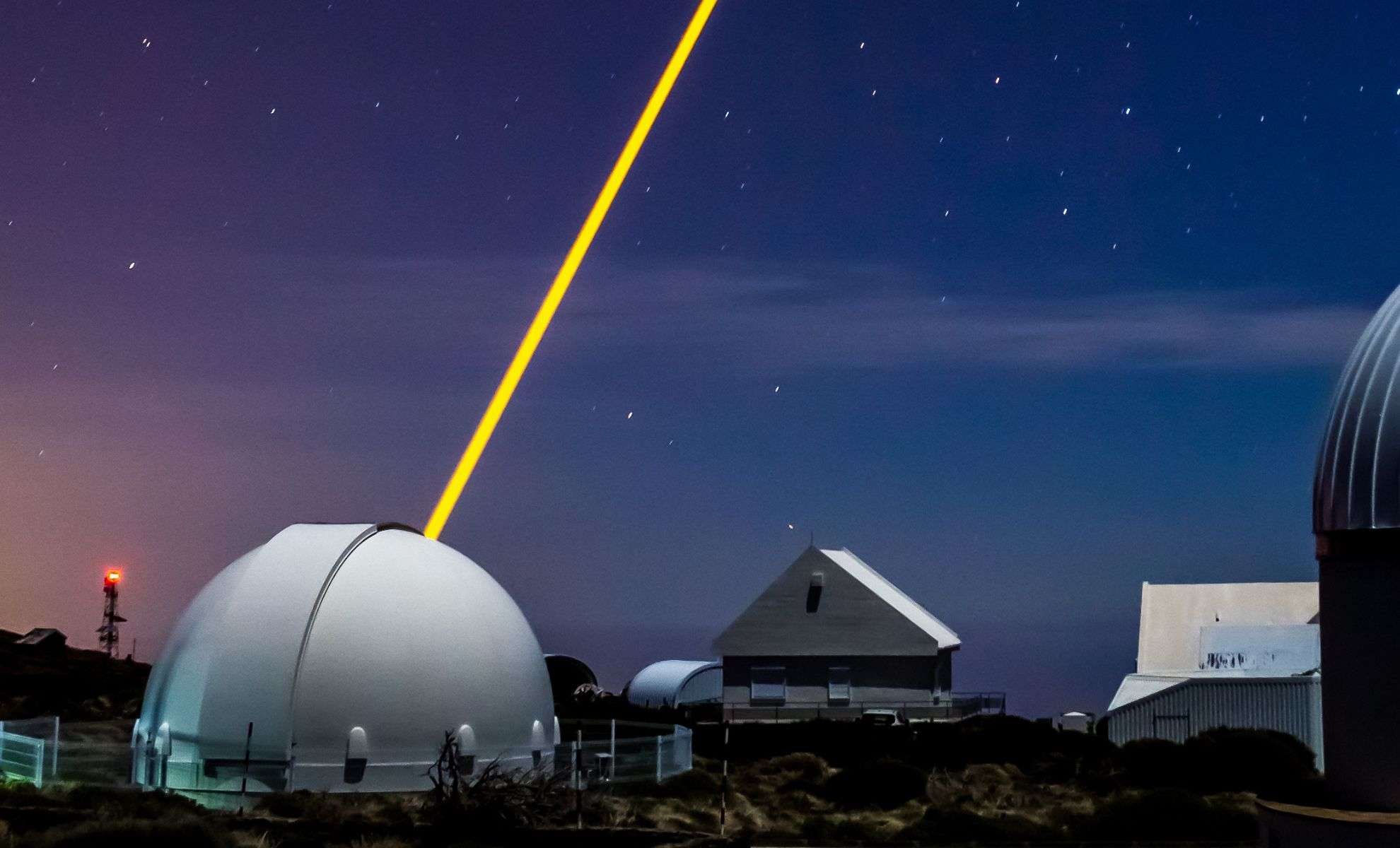
Recent findings highlight an urgent acceleration in global sea level changes, with laser technology detecting that oceans have climbed approximately 3.5 inches since 1993. This groundbreaking study, appearing in the Proceedings of the National Academy of Sciences, reveals how the ocean's rising pace has quickened over the past twenty years. These insights reveal a much faster increase than previously estimated, with the main driver being the melting of terrestrial ice.
Using Laser Ranging to Track Ocean Changes
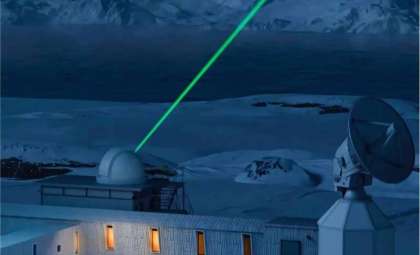
Under the guidance of Dr. Yufeng Nie from Hong Kong Polytechnic University, the researchers utilized satellite laser ranging (SLR) to measure minute variations in Earth's gravitational field caused by the relocation of water and ice masses. Emitting laser beams toward orbiting satellites, this approach achieves millimeter precision in detecting shifts in Earth's water distribution. The technique is integral to the global International Laser Ranging Service (ILRS) initiative.
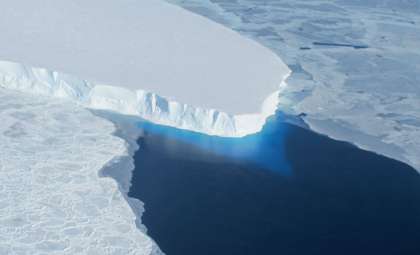
This approach allows for accurate quantification of increases in Earth's water mass, predominantly attributed to melting ice on land. The findings confirm a concerning trend: melting ice plays a major role in climbing sea levels, with its impact intensifying in recent decades.

“This demonstrates that the traditional SLR technique can now serve as a novel and powerful tool for long-term climate change studies,” said Dr. Nie.
The Role of Glaciers in Speeding Up Ocean Rise
The investigation determined that over 60% of the global sea level increase stems from water released by melting ice, with approximately 80% originating from land ice in Greenland and Antarctica. By comparing these laser measurements to NASA’s GRACE satellite mission data tracking water mass changes since 2002, the evidence confirms ice melt as a crucial accelerant of sea rise.
This discovery enhances our comprehension of sea level dynamics. While ocean thermal expansion due to warming remains significant, the influx from melting ice drastically raises the stakes. Elevated sea levels result in higher tides, increased storm intensity, and greater susceptibility to coastal flooding.
Continuous Laser Data Refines Climate Forecasts
A major benefit of SLR technology is its capacity for continuous, long-term monitoring dating back to the early 1990s. Unlike the sometimes interrupted GRACE satellite mission, laser tracking provides a steady stream of accurate data crucial for analyzing sea level acceleration and enhancing climate predictions.
Researchers also leveraged this extensive dataset to evaluate climate models' effectiveness in anticipating both the pace and acceleration of sea level rise. Their findings offer clearer projections of future ice melt under different warming pathways, equipping policymakers with improved resources for coastal adaptation amidst increasing ocean levels.
Rising Tide Impacts Coastal Populations Now
Residents of low-lying coastal regions are already witnessing the tangible effects of increasing sea levels. Flooding events once deemed rare during high tides are now occurring more frequently, with normal tides causing inundation in areas previously unaffected.
In addition, the redistribution of water alters Earth's gravitational field, causing uneven sea level rise across different areas. Factors such as polar ice loss and shifts in ocean currents influence these localized variations.
- Categories:
- News







0 comments
Sign in to Comment