
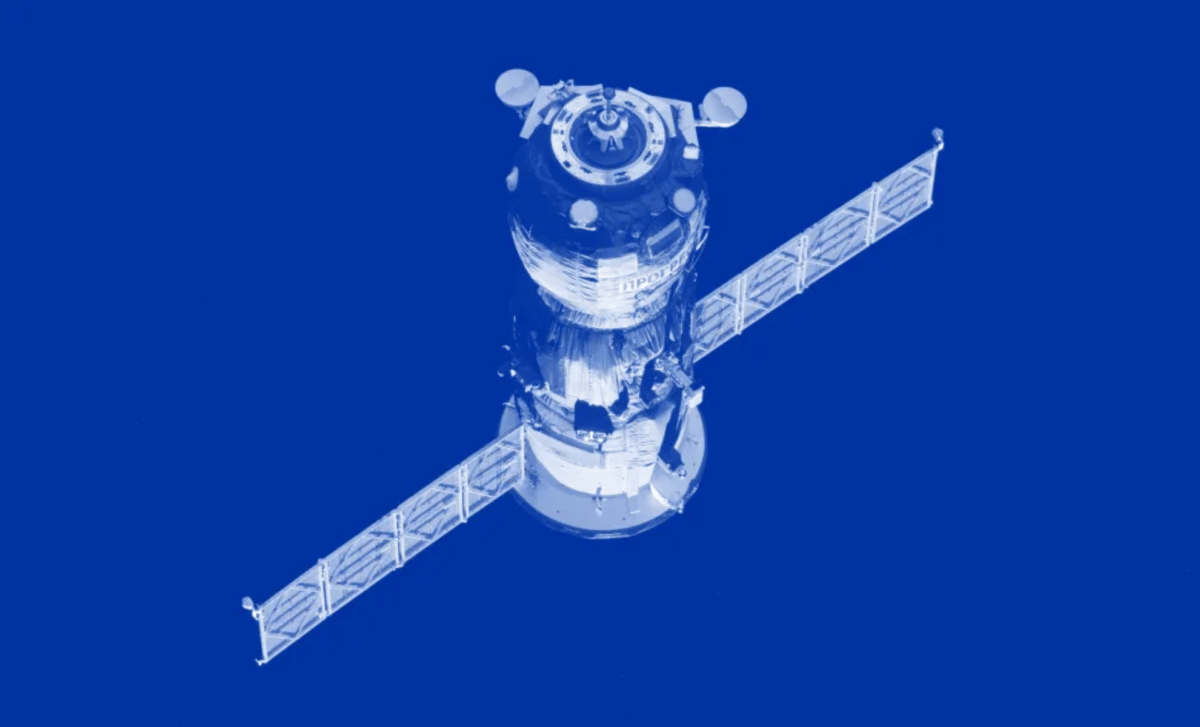
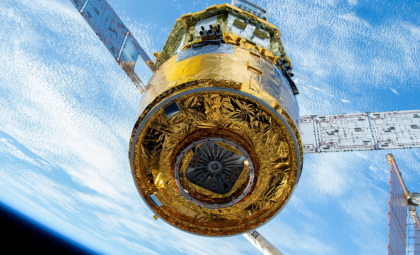
Marking a crucial milestone in orbital supply missions, the Progress 93 cargo spacecraft operated by Roscosmos has safely undocked from the International Space Station (ISS). Carrying essential provisions for the station’s crew, the vehicle executed a precise deorbit burn on April 20, 2026. After separating from the ISS, Progress 93 initiated its controlled descent toward Earth, culminating in a planned fiery re-entry that incinerated the waste collected during its mission. This operation underscores the continuous effort by NASA and its partners to maintain seamless logistics and effective waste management in space.
Vital Support for ISS Operations
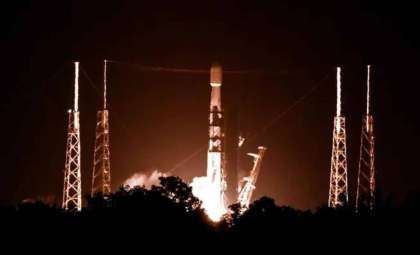
Launched in September 2025, Progress 93 played a fundamental role in enabling the astronauts aboard the ISS to maintain their extended stay in orbit. Delivered via a Soyuz launch vehicle, the spacecraft transported approximately three metric tons of necessities including nourishment, propellant, and essential equipment. Beyond simply resupplying the crew, Progress 93 also functioned as a key element in managing disposal of unwanted materials generated during station operations.
Docked to the Zvezda service module for several months, this port allows for safe spacecraft arrivals and departures. The spacecraft’s recent undocking and destruction signal the conclusion of its service mission while highlighting the ongoing demand for efficient handling of resources and refuse in orbit sustained science missions.

Controlled Deorbit Sequence and Atmospheric Re-Entry
Progress 93’s separation from the ISS involved a carefully orchestrated deorbit maneuver, utilizing thruster firings to reduce orbital altitude and begin a calculated fall back to Earth. This process is essential to guarantee the spacecraft re-enters at an angle and speed that prevents risk to both the crewed station and terrestrial areas.
Its controlled descent concluded with a destructive atmospheric entry designed to safely eliminate the accumulated debris and refuse from the station’s operations. Effective space waste disposal remains a cornerstone of sustainable exploration to avoid the proliferation of hazardous debris in Earth's orbit.
International Teamwork and the Future of Orbital Cargo
The achievement of the Progress 93 mission reflects the significance of multinational cooperation in space endeavors. Operated by Russia’s Roscosmos, this cargo spacecraft exemplifies how collaborative efforts among global agencies are vital for advancing space exploration. As missions increase in complexity and reach, pooling together technological expertise and resources becomes even more critical.
Looking ahead, NASA is focused on enhancing spacecraft technologies, refining waste disposal techniques, and fostering cross-agency partnerships. The successful run of Progress 93 contributes to progressive improvements in orbital logistics, aiming for more reliable and environmentally conscientious missions.
Engaging the Public Through NASA’s Outreach
NASA maintains active communication with the public through its social media channels across platforms like X (formerly Twitter), Facebook, and Instagram. These channels offer timely updates on ISS activities, including spacecraft milestones such as the undocking and re-entry of cargo vessels like Progress 93.
By following NASA’s social media, space enthusiasts and the general population gain insights into the complex science and engineering behind space station operations. This outreach effort cultivates public interest and educational opportunities, fostering a shared connection to humanity’s space exploration achievements.
- Categories:
- Space








0 comments
Sign in to Comment