
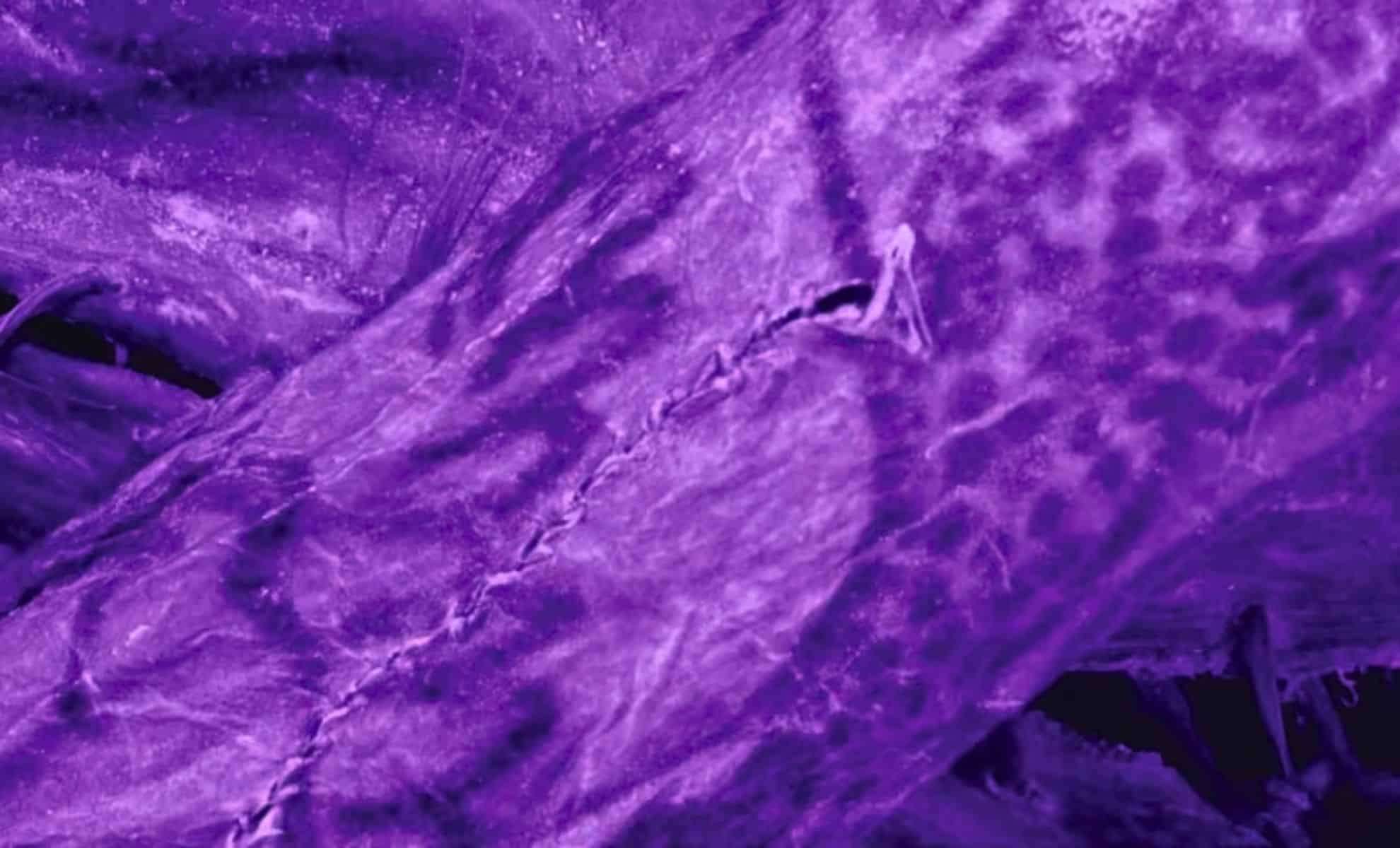
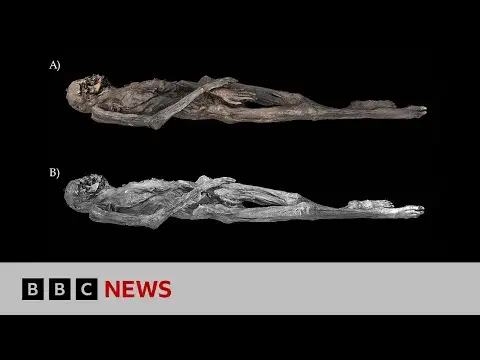
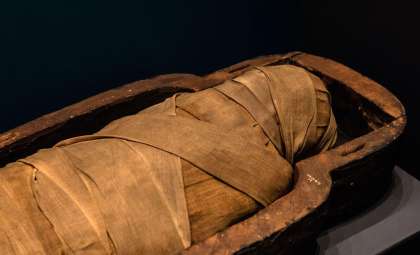
Deep in southern Siberia, a frigid burial site has revealed some of the earliest known tattoo art — hidden beneath the mummy’s skin. Employing cutting-edge infrared imaging, experts have identified intricate tattoos on a female mummy preserved in ice for more than two millennia. This groundbreaking finding appears in a July 30 publication in the journal Antiquity, opening new avenues for understanding ancient tattooing.
A Remarkably Preserved Enigma from the Permafrost
The mummy was located in the Altai Mountains, where the permafrost's cold, arid conditions kept her remains exceptionally intact. She was discovered buried alongside a male companion, nine horses, and several intricately crafted artifacts. Though scholars suspected tattooing, the skin’s darkened hue concealed any visible markings.
“Her tattoos weren’t even visible at the time of her excavation,” explained Gino Caspari, lead author of the study and archaeologist at the Max Planck Institute of Geoanthropology.
Add Cosmo Herald as a Preferred Source

Thanks to advances in near-infrared photography combined with detailed 3D scanning, researchers reconstructed the tattoo patterns in extraordinary detail. These technologies allowed scientists to visualize beneath the surface, unveiling ancient body art invisible to the naked eye.
Bringing Ancient Motifs Back to Life
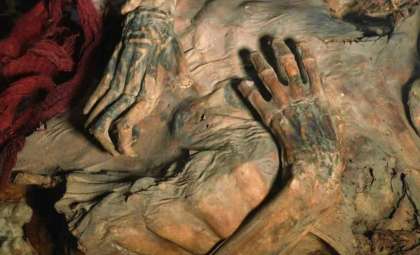
Imaging revealed elaborate designs on the woman’s forearms and hands, featuring animals like reindeer, birds, tigers, snow leopards, and an enigmatic four-legged figure with a beak, potentially a mythical beast. Far from mere sketches, the thoughtful layout implies these images conveyed stories or symbolism.
One arm, the right forearm, displayed sharp, refined lines and carefully crafted symbols. Conversely, the left forearm bore simpler, less detailed work. Researchers speculate this contrast might indicate two different tattoo artists or an evolving skill level in a single artist.
Unlocking Ancient Tattooing Techniques
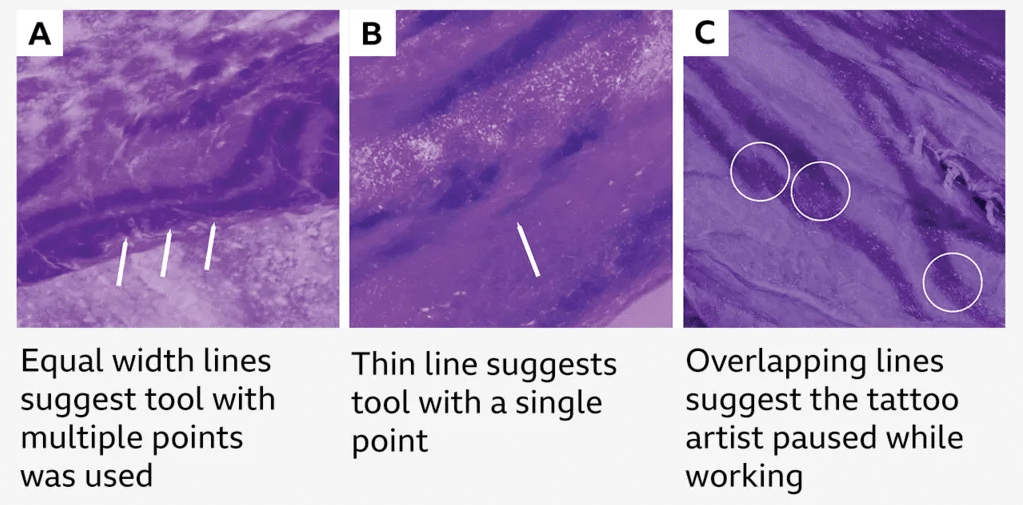
The investigation sheds light on longstanding debates about Iron Age tattoo methods. The team confirmed the use of stick-and-poke techniques, applying pigments manually with sharp tools. Evidence points to both single-point and multi-point devices, suggesting a surprisingly sophisticated tattoo toolkit for the era.
Demonstrating their findings firsthand, a team member replicated these methods by tattooing his leg using archaic techniques. This experiment verified that even complex designs were achievable with primitive tools, requiring precise control and artistry.
Traces of a Forgotten Artistic Tradition
While some tattoo motifs align with known Pazyryk symbols, others are entirely new, never before uncovered in regional digs. This suggests the tattoos held broader significance beyond tribal or ritualistic functions.
“It suggests that tattoos were really something for the living with meaning during life, but that they actually didn’t really play much of a role in the afterlife,” remarked Dr Caspari.
Illinois State University’s David Lane notes the complexity and precision of the tattoos hint that Pazyryk tattoo artists were likely important community figures. The inked symbols probably reflected social status, clan identities, or key life milestones.
For Natalia Polosmak, the archaeologist who first discovered the renowned Ice Maiden in 1993, this revelation doesn’t overturn existing knowledge but highlights how modern technology enhances non-invasive study of ancient remains. She reflects, “It’s gratifying that these mummies and their tattoos continue to inspire a new generation of scientists.” With this rediscovered tattoo art, we glimpse not only the lives of the tattooed but also the skilled hands that crafted each design centuries ago.
- Categories:
- News









0 comments
Sign in to Comment