
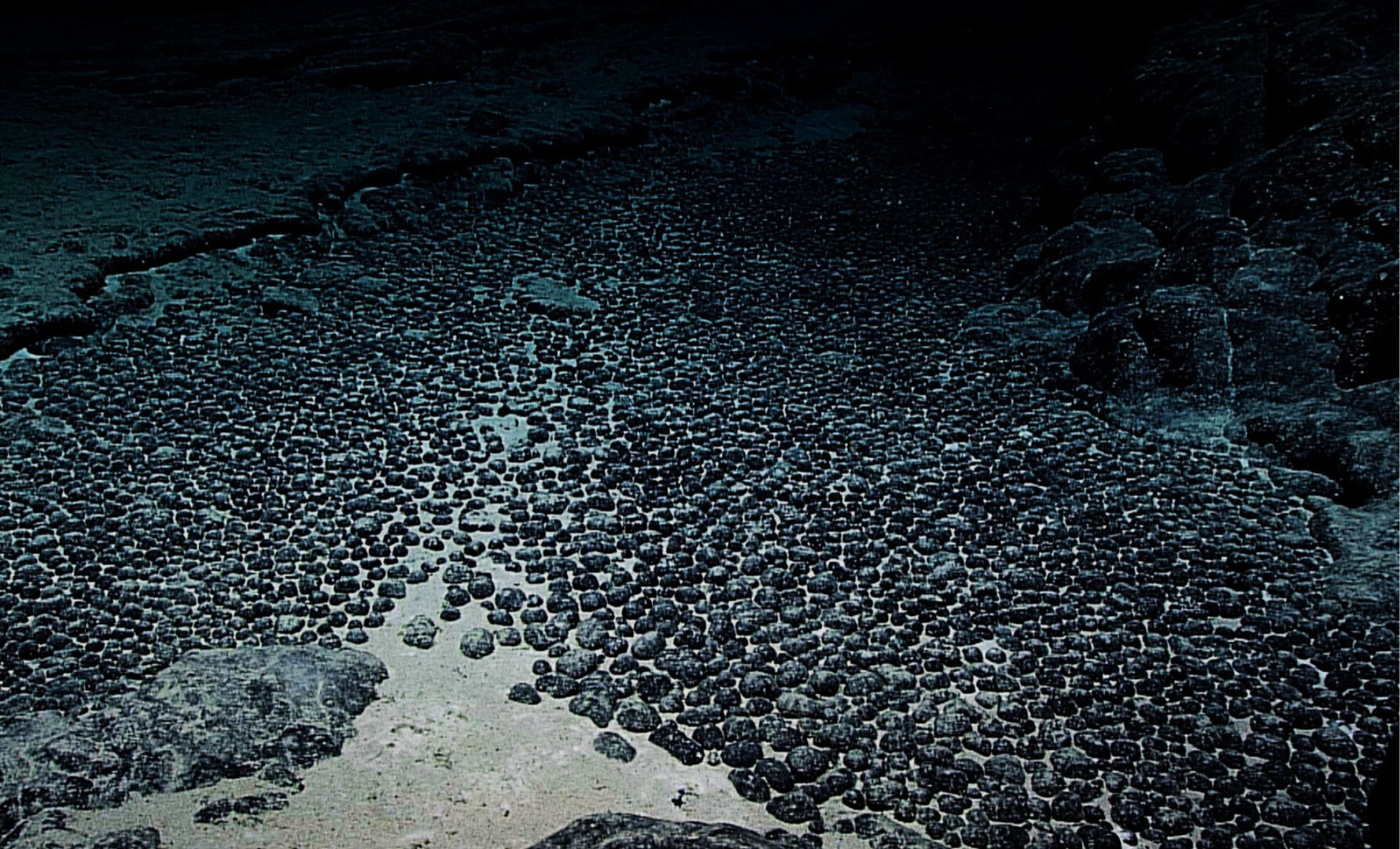
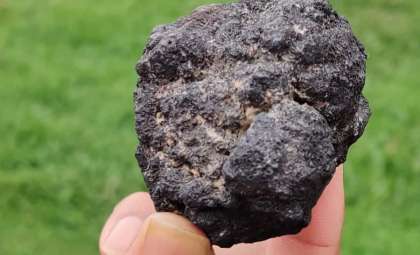
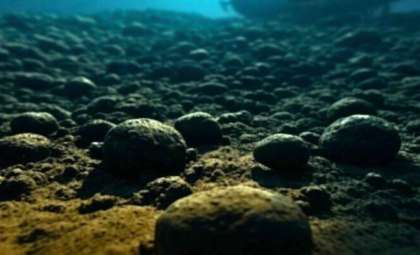
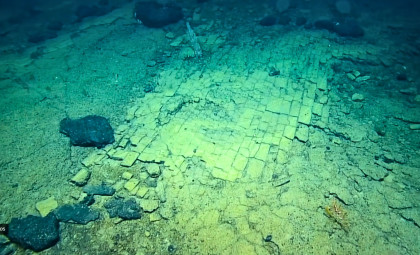
Situated over 4,000 meters beneath the Pacific Ocean’s surface, the environment is pitch black and near freezing. With no sunlight penetration, the ocean floor unfolds as expansive, seemingly lifeless plains. Here, countless smooth, potato-sized rocks known as polymetallic nodules lie embedded in the sediment, untouched for millennia.
These nodules have gained global scientific and industrial attention due to their high concentrations of valuable metals like manganese, nickel, and cobalt, all critical components for modern battery technology and clean energy solutions. The greatest deposits are found in the Clarion-Clipperton Zone, a remote oceanic region stretching between Hawaii and Mexico that is becoming the focus of deep-sea mining discussions.
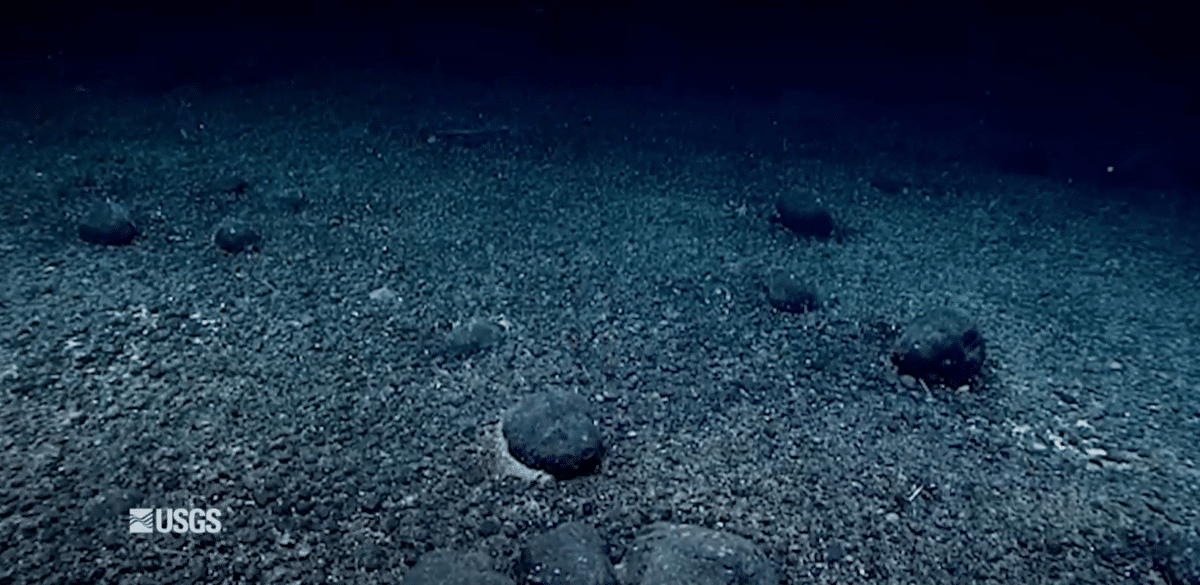
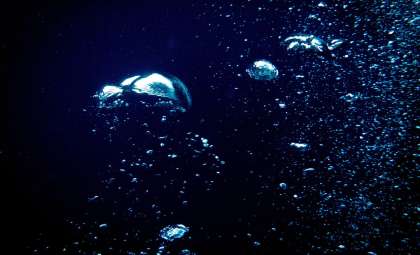
Researchers previously believed that oxygen in these depths slowly descended from surface waters, replenished by ocean circulation, with the seafloor being a zone consuming oxygen rather than generating it. This viewpoint has been challenged by the recent unexpected detection of dark oxygen—oxygen created without sunlight or traditional photosynthesis.

Probing Oxygen Dynamics in the Deep Sea
The breakthrough was achieved by Andrew Sweetman at the Scottish Association for Marine Science and his team, who set out to quantify oxygen consumption by benthic organisms in the Clarion-Clipperton Zone.
Using benthic chambers—devices that isolate a portion of seafloor and monitor chemical shifts over time—the researchers expected oxygen levels inside these enclosures to steadily decline, a measure of respiration in seafloor sediments. These chambers are standard tools in marine research.
Contrary to expectations, oxygen concentrations rose significantly during the experiments—sometimes surpassing levels in the surrounding seawater. The July 2024 publication in Nature Geoscience details repeated controlled measurements confirming this phenomenon.
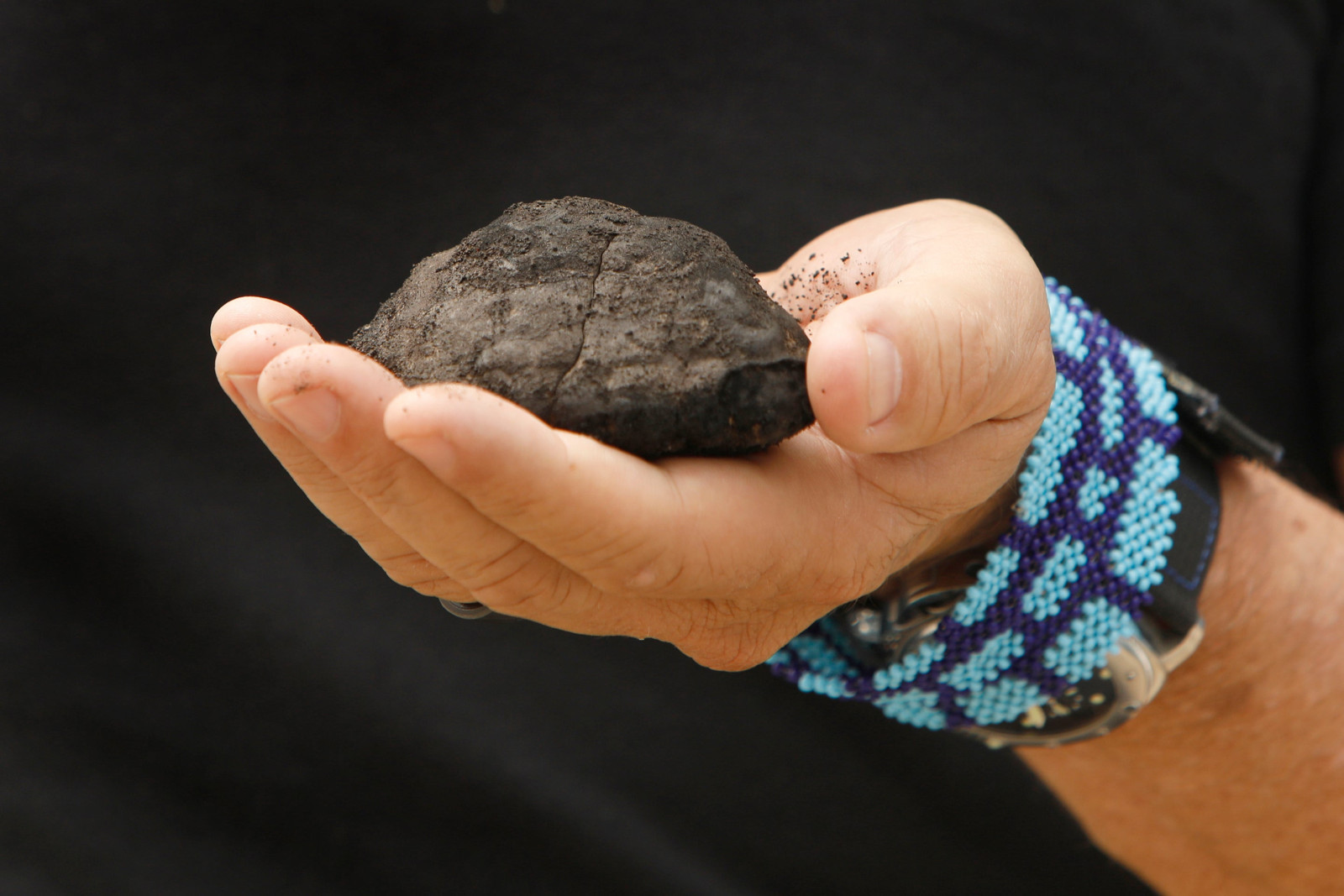
Subsequent analysis revealed that these polymetallic nodules exhibited voltage readings near one volt, suggesting that internal electrical gradients might drive electrolysis—the splitting of seawater molecules into hydrogen and oxygen—in complete darkness.
Natural Geobatteries Beneath the Waves
The unique layered structure of polymetallic nodules, composed of manganese, nickel, and cobalt built up over millions of years, creates chemically intricate, electrically conductive formations on the ocean floor.
Potential minute voltage differences across their mineral layers could facilitate electrolysis without light, setting them apart from photosynthesis, the dominant oxygen-producing process on Earth. This finding proposes a fascinating, previously unconsidered role for rocks in generating oxygen in deep-ocean ecosystems.
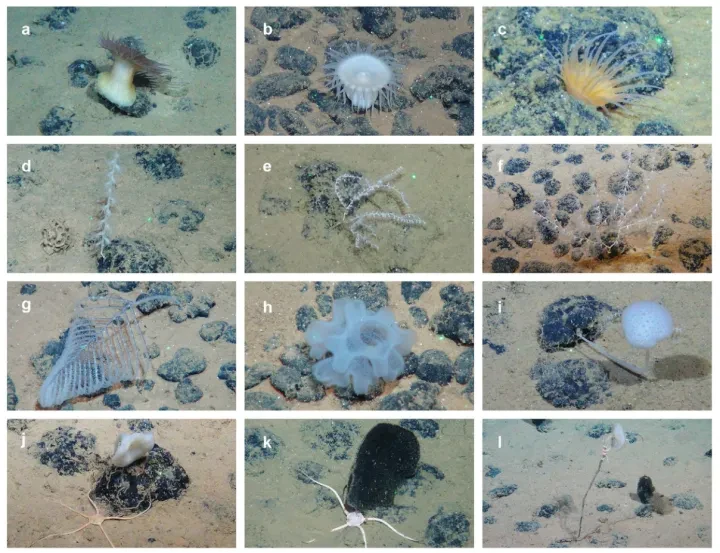
The Deep Sea Conservation Coalition highlights this groundbreaking discovery, emphasizing that polymetallic nodules grow at an extremely slow pace and may play a vital ecological role beyond hosting marine life.
Implications Amid Growing Mining Interests
The Clarion-Clipperton Zone is recognized as one of the most metal-rich seabed regions on the planet. Industry sources like Ocean Mining Intel describe its enormous reserves of manganese, nickel, and cobalt, positioning it as a hotspot for upcoming deep-sea mining ventures.
While companies promote the extraction of these metals to fuel large-scale battery manufacturing, marine ecologists investigate the environmental consequences of disrupting these nodules. The revelation that these rocks may also be generating dark oxygen adds a new dimension to understanding the seafloor ecosystem and informs the debate on sustainable resource extraction.
Certain stakeholders raise concerns about whether the observed oxygen increases result from genuine natural processes or measurement inconsistencies. However, the authors of the Nature Geoscience study affirm the rigor and reproducibility of their results while calling for further investigation to fully unravel the mechanisms behind this oxygen generation.
- Categories:
- Science






0 comments
Sign in to Comment