
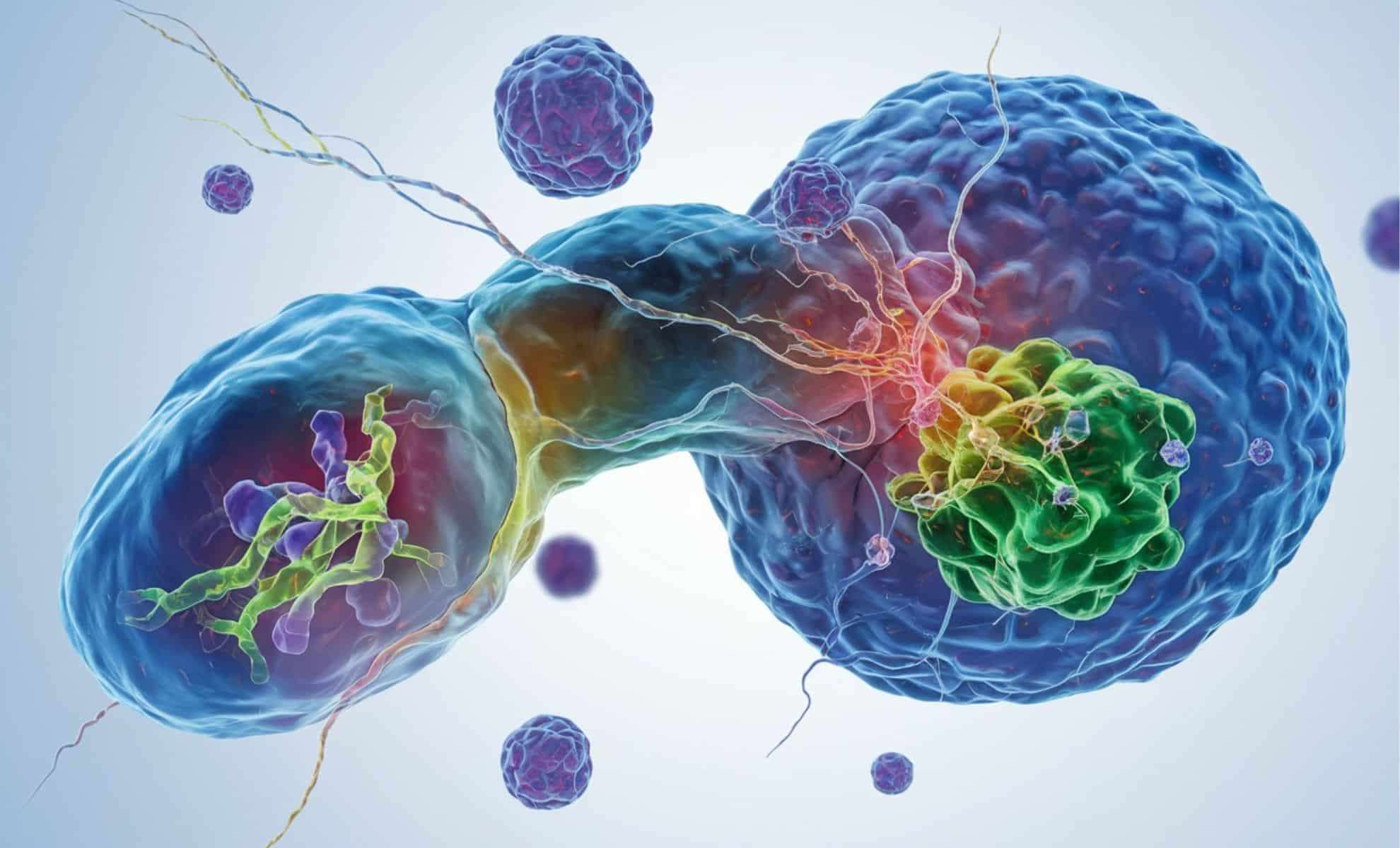
Pancreatic cancer ranks among the deadliest forms of cancer, claiming nearly 50,000 lives each year in the United States, as reported by the National Cancer Institute. Despite ongoing research advances, survival rates remain critically low. A recent investigation led by the University of California, San Diego (UC San Diego) School of Medicine has pinpointed an essential enzyme, MICAL2, that plays a crucial role in the aggressiveness of pancreatic ductal adenocarcinoma (PDAC).
The study, published on January 2, 2025, in Cancer Research, demonstrates how MICAL2 accelerates tumor expansion and spread, positioning it as a promising target for future treatment strategies.
A Significant Advancement in Pancreatic Cancer Understanding
Previously recognized for its function in modulating cell shape and motility, MICAL2 has now been linked to enhanced cancer progression. Scientists discovered that pancreatic tumor cells produce markedly higher quantities of MICAL2 than non-cancerous cells, indicating its role surpasses ordinary cellular maintenance.

Key insights stemming from this discovery include:
- Impact on Patient Outcomes: Among patients having surgical excision of PDAC tumors, those with reduced MICAL2 levels demonstrated nearly double the survival time compared to those with elevated enzyme expression, implying MICAL2 actively shapes disease severity.
- Interaction with KRAS Signaling: MICAL2 enhances the KRAS pathway, a well-known driver of tumor growth, nutrient absorption, and metastatic behavior. Tumor cells lacking MICAL2 exhibited diminished KRAS activity, disrupting mechanisms critical for rapid cancer cell proliferation and invasion.
- Promotion of Tumor Growth and Spread: This enzyme stimulates cancer cell division and facilitates their infiltration into normal tissues, thereby supporting enhanced tumor progression.
Revolutionizing Treatment Approaches for Pancreatic Cancer
These findings challenge current pancreatic cancer treatment methods, which frequently focus on managing advanced-stage symptoms rather than addressing underlying molecular drivers of malignancy. The discovery of MICAL2 as a druggable target offers a fresh avenue for intervention, tapping into a protein family that has been effectively targeted in other conditions.
“Pancreatic cancer remains the most fatal common cancer with a dire need for improved therapies,” noted Dr. Andrew Lowy, faculty member at UC San Diego School of Medicine. Targeting MICAL2 could interrupt essential processes that accelerate tumor growth and metastasis, potentially changing disease outcomes.
Implications Extending Beyond Pancreatic Cancer
This research broadens the understanding of how enzymes like MICAL2 contribute to cancer progression. By uncovering a mechanism where a regulatory protein is hijacked to drive malignancy, it emphasizes exploring non-traditional therapeutic targets in cancer treatment. The marked relationship between MICAL2 and KRAS pathway activity may also offer insights beneficial for combating other KRAS-driven cancers.
Future directions include screening for compounds that inhibit MICAL2, aiming to translate these discoveries into clinical solutions that offer novel hope for patients facing this formidable disease.












0 comments
Sign in to Comment