
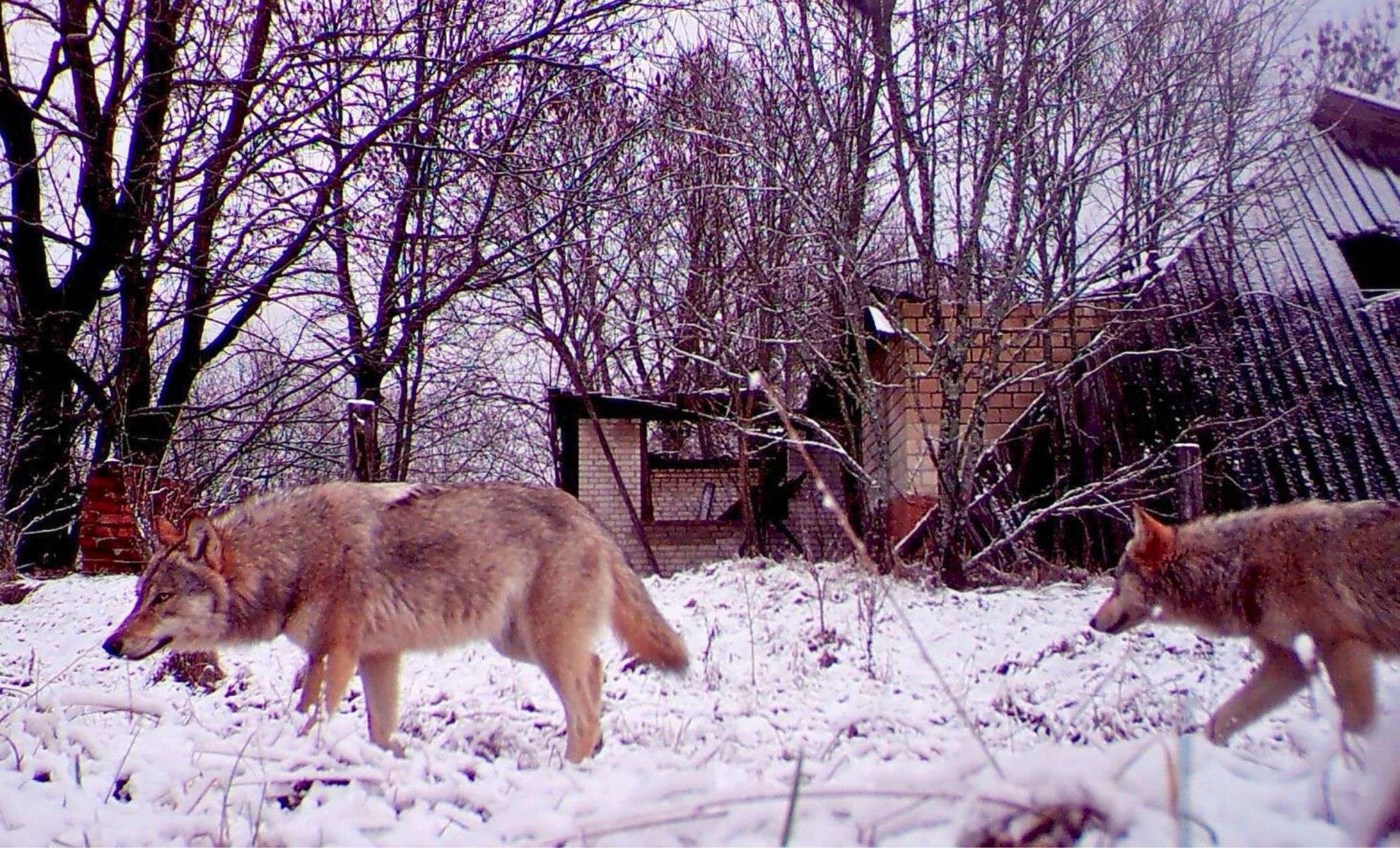
In the radioactive aftermath of the 1986 Chernobyl nuclear catastrophe, the gray wolves inhabiting the affected zone have developed remarkable genetic defenses against cancer. Contrary to expectations for creatures exposed to such intense radiation, these wolves are not only surviving—they are flourishing in an environment that is otherwise deadly to most species.
Evolutionary Transformations in Chernobyl’s Wolves
The Chernobyl Exclusion Zone (CEZ) covers roughly 1,000 square miles surrounding the nuclear facility in northern Ukraine, abandoned shortly after the disaster. Despite the high radioactive contamination, wildlife such as wolves, dogs, deer, and wild boars have adapted and multiplied without the presence of humans.
Scientists have long been fascinated by how these animals cope with the harsh environment. The gray wolves, in particular, have revealed unexpected genetic adaptations that may shield them from the usual cancer risks linked to radiation exposure.

Genetic Changes Driven by Radiation Exposure
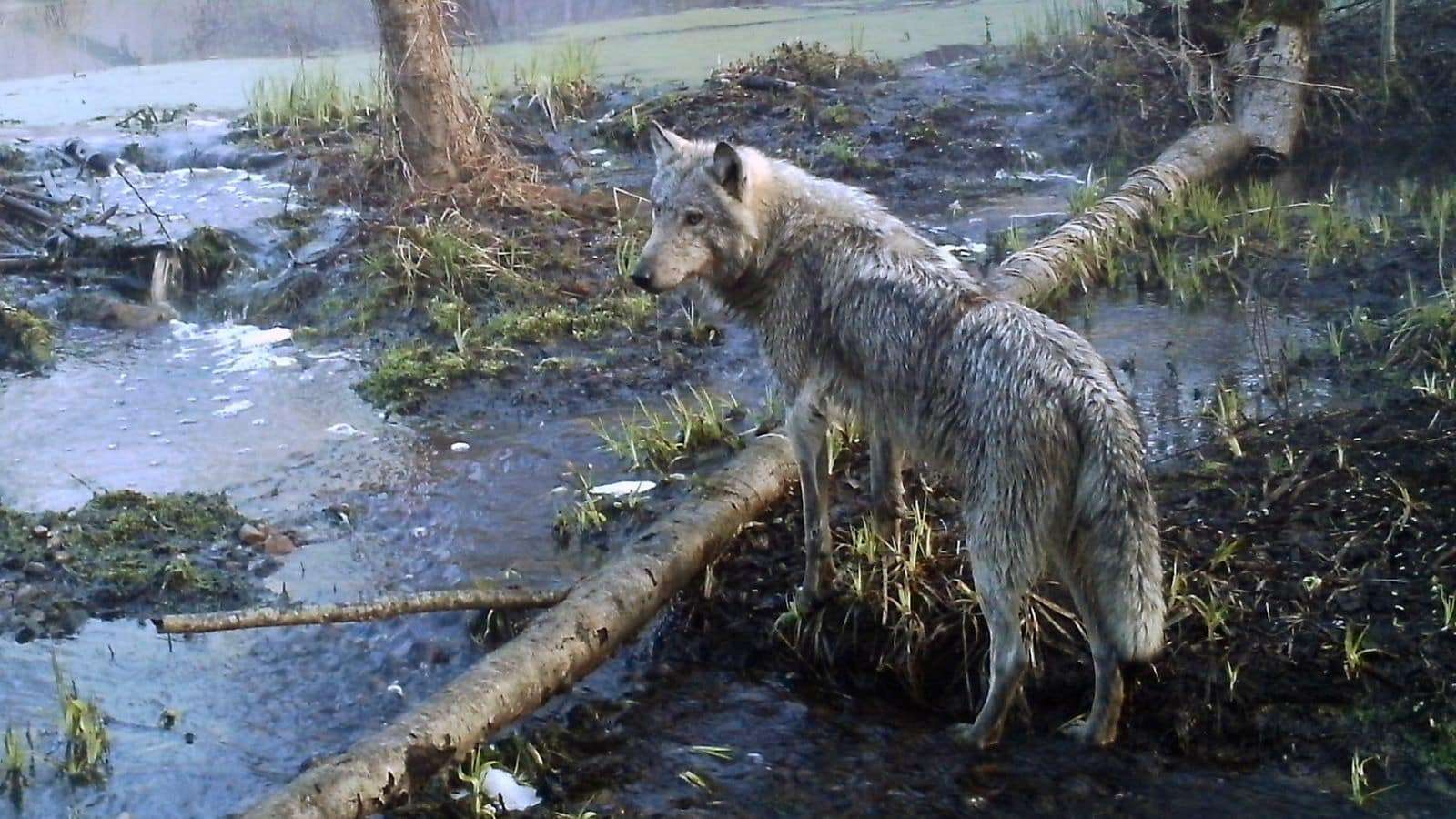
Research teams led by Dr. Cara Love and Dr. Shane Campbell-Stanton from Princeton University have tracked these wolves since 2014, using GPS collars alongside radiation monitoring devices. Their studies uncovered that these wolves possess distinct genetic mutations which potentially confer resistance to cancer.
Effects of Radiation on Wolf Genetics
Radiation in the zone exceeds safe human exposure levels by up to sixfold. Across generations, this persistent radiation has spurred DNA alterations in the wolves. These modifications appear to fortify their immune systems and help prevent cancer development.
- Radiation as a driving force: Constant radiation pressure has selected for wolves with traits that enable resistance to cancer.
- Beneficial genetic modifications: Mutations support enhanced immunity and cancer defense, enabling survival in a toxic habitat.
Natural Selection’s Influence
The data indicate that natural selection has favored wolves possessing cancer-resistant genes, allowing them to thrive despite hazardous conditions. Wolves enduring the highest radiation levels passed on advantageous traits that accumulated within the population.
Dr. Campbell-Stanton commented, “The genes evolving most rapidly relate to cancer immune functions, likely aiding the wolves’ survival under constant radiation stress.”
Unprecedented Pace of Adaptation
The genetic shifts in these wolves are occurring at an unusually fast rate. While evolution is generally a slow process across many generations, the wolves’ rapid adaptation is thought to result directly from the severe radiation environment.
Dr. Campbell-Stanton stated, “Radiation has served as an intense selective pressure, accelerating the pace of evolutionary change in this population.”
Implications for Advancing Human Cancer Therapies
Insights from Chernobyl’s wolves may offer promising avenues for human oncological research. Understanding their unique immune adaptations could inspire new treatments that protect people exposed to radiation, such as astronauts and nuclear industry workers.
Dr. Love remarked, “Mimicking these natural genetic defenses may unlock innovative cancer therapies.”
By unraveling the immune system modifications in the wolves, researchers hope to develop approaches targeting radiation-induced cancers in humans.
Conclusion: Evolution’s Triumph within a Radioactive Realm
The Chernobyl Exclusion Zone has become a unique natural laboratory, revealing how organisms can adapt to extreme environmental challenges. These genetically resilient wolves stand as a testament to life’s enduring adaptability and may hold the key to breakthroughs in radiation and cancer biology.
Dr. Campbell-Stanton concluded, “Despite overwhelming adversity, nature has evolved mechanisms to persevere. We are only starting to explore how these discoveries might benefit mankind.”










0 comments
Sign in to Comment