
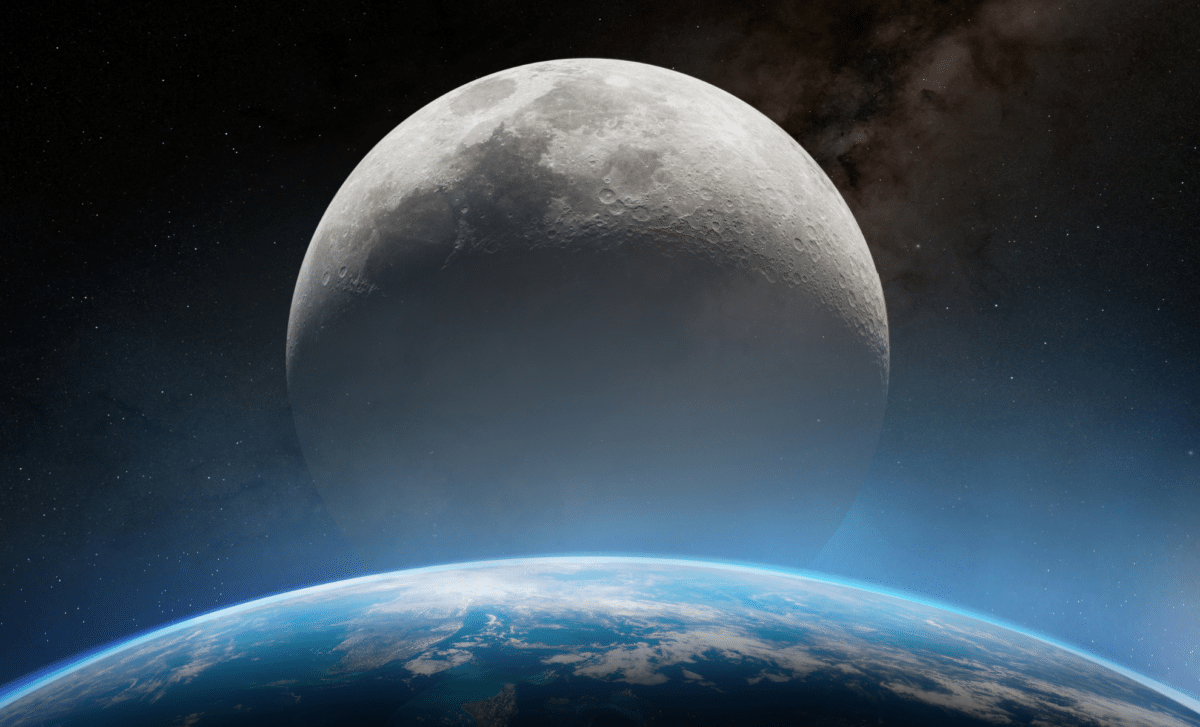
Space radiation presents a major obstacle to long-term human presence on the Moon, whose surface lacks an atmosphere and is exposed to cosmic hazards. However, groundbreaking research published in Science Advances has uncovered a previously unknown space “cavity” connected to Earth’s magnetosphere that lowers radiation exposure on the lunar surface. This revelation could transform strategies for astronaut safety and lunar missions.
An Unexpected Protective Zone in Space
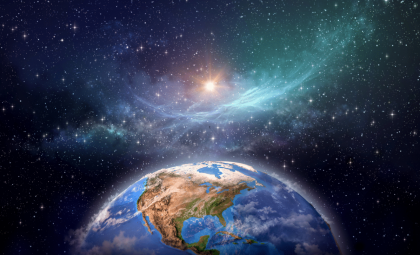
Historically, it was believed that the Moon was fully vulnerable to space radiation once it moved beyond Earth’s magnetic shield, due to its lack of its own magnetic field and atmosphere. This new research reveals a more nuanced picture, identifying a distinctive “cavity” formed by Earth’s magnetosphere that offers additional radiation protection even when the Moon is outside the direct magnetospheric boundary.
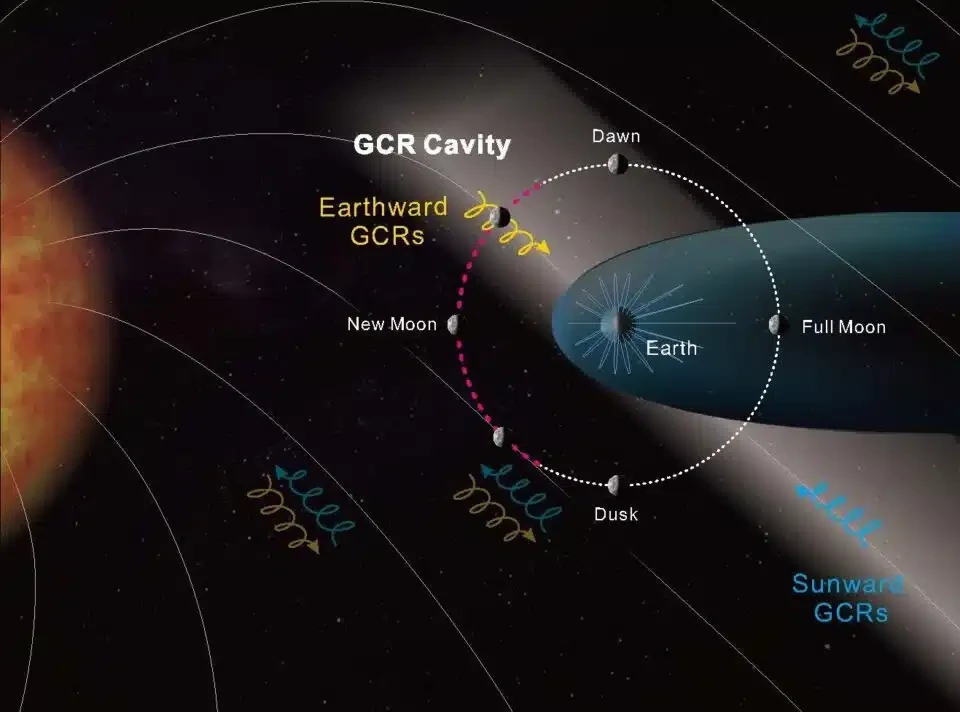
The findings indicate Earth’s magnetic influence extends farther and behaves more complexly than previously understood. Instead of a simple on-and-off barrier, the magnetosphere generates lingering low-radiation areas, subtly influencing lunar exposure throughout its orbit. This discovery carries important implications for improving radiation estimates affecting future robotic and human missions on the Moon.

Unexpected Patterns From Lunar Radiation Data
Published in Science Advances, the study analyzed radiation levels gathered as the Moon passed in and out of Earth's magnetic field. Researchers anticipated clear shifts: lower radiation inside the magnetosphere, higher outside. Instead, measurements showed surprising intervals where radiation remained reduced.
“We had expected that the radiation on the lunar surface would be constant when the Moon is not inside the Earth’s magnetosphere,” Robert Wimmer-Schweingruber, an astrophysicist at Kiel University and the study’s corresponding author, told Gizmodo. “What we found, however, is that the magnetosphere provides some more shielding than expected.”
This puzzling evidence prompted a deeper investigation, leading to identification of a cavity-shaped region shaped by interactions between solar particles and Earth’s magnetic reach. This feature had been missing from earlier theoretical models, underscoring challenges in predicting dynamic space environments.
“We were, in fact, quite surprised when we saw [the additional shielding],” Wimmer-Schweingruber added. “But in retrospect, it makes absolute sense. We found such an effect, which we had not expected—that’s what research is about.”
Consequences for Upcoming Moon Expeditions
Accurately gauging radiation is crucial for ensuring the safety of astronauts and equipment during extended lunar stays. The discovery of this shielding cavity introduces new variables that could influence mission planning, including site selection and timing to take advantage of periods with lower radiation.
Identifying times and orbits when radiation dips due to this cavity could help reduce risks to crew members. It also opens fresh questions about whether similar hidden magnetic phenomena exist around other moons orbiting planets with strong fields.
This new understanding will refine radiation models by integrating secondary protective zones beyond just the magnetosphere, benefiting long-term mission designs and protective technology development.
Shifting the Outlook on Lunar Human Presence
This breakthrough coincides with renewed global efforts, particularly NASA’s collaboration with international partners, aimed at establishing sustainable human outposts on the Moon in the near future.
“I think it is cool that we are preparing to go back to the Moon,” Wimmer-Schweingruber said. “In some years we will be able to look at it and wonder what the astronauts or taikonauts are doing there right now. We will probably even be able to follow their activities remotely. This will give us all the possibility to experience the exploration of our nearest neighbor, the Moon.”
While the Moon remains a harsh environment, this discovery offers a hopeful sign that radiation conditions may be somewhat less severe during certain times. More fundamentally, it reminds us that exploration involves continuously uncovering new details about our cosmic surroundings.
As research delves deeper into Earth-Moon interactions, it becomes clear that even our closest celestial companion holds unexpected mysteries that could redefine how we approach space exploration.
- Categories:
- Space






0 comments
Sign in to Comment