
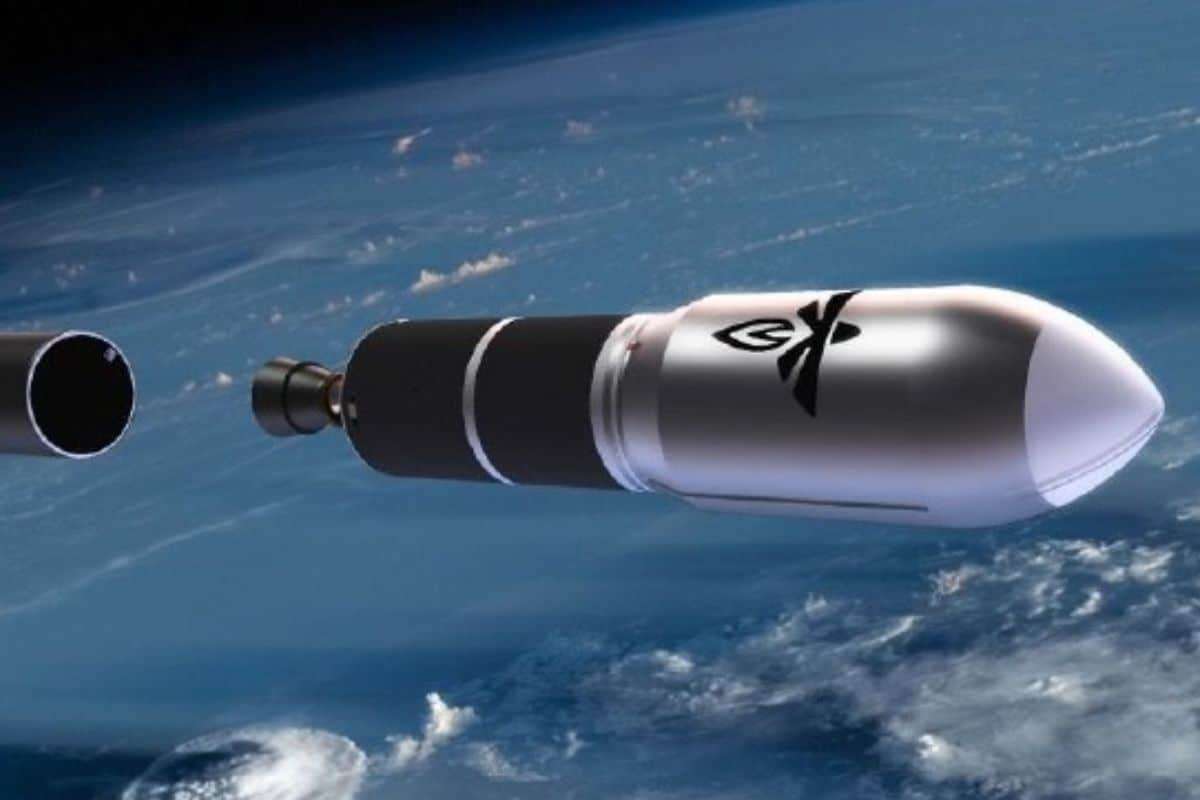
NASA has achieved a landmark success by testing its innovative Electrodynamic Dust Shield (EDS) technology directly on the lunar surface. Designed to tackle the persistent challenge of lunar dust contamination, this advanced system underwent its inaugural real-world demonstration in March 2025. Deployed on Firefly Aerospace’s Blue Ghost lander, this accomplishment marks a major advancement toward NASA’s goal of sustainable Moon habitation.
Revolutionizing Lunar Surface Operations
The EDS was put to the test soon after the Blue Ghost safely landed on the Moon on March 2, 2025. As the first privately funded spacecraft to complete a successful lunar landing, the Blue Ghost carried the dust shield as a key part of its payload.
During its initial operational use, the EDS demonstrated its capability to clear lunar soil, also known as regolith, from various surfaces by harnessing electrodynamic forces. By March 16, the trial had proven successful, highlighting a crucial step forward in NASA’s efforts to mitigate one of the Moon’s most persistent hazards.

The Challenges Posed by Lunar Dust
Lunar dust presents a significant obstacle for extended lunar missions due to its corrosive and clinging properties. This fine particulate material threatens astronaut health and jeopardizes the operation of essential mission hardware. It can erode spacesuits, impede solar cells, and compromise vital equipment such as thermal radiators and optical devices.
Because of its adhesive quality, managing lunar dust has been notoriously difficult. NASA has prioritized developing countermeasures, with the recent success of the EDS symbolizing a pivotal breakthrough in these protective technologies.
Officials at NASA stated, “This achievement represents an important advancement in sustaining lunar and interplanetary missions by reducing dust-related damage to a broad range of surfaces, including thermal radiators, solar panels, camera lenses, and astronaut gear like spacesuits, boots, and helmet visors.”
What’s the latest on lunar research?
NASA's Electrodynamic Dust Shield, developed by teams at Kennedy, successfully demonstrated its ability to remove regolith, or lunar dirt, from various surfaces on the Moon: https://t.co/kvX8qDYf4O pic.twitter.com/cZ8fIm7Pdy
— NASA's Kennedy Space Center (@NASAKennedy) March 30, 2025
Tracing the Development of the Electrodynamic Dust Shield
The concept behind the EDS traces back to 1967, when F.B. Tatum alongside NASA collaborators introduced the idea of an Electrostatic Curtain. This approach proposed using electric fields to create barriers that repel lunar dust from surfaces.
Over the years, this initial idea has evolved into the state-of-the-art EDS technology. Backed by NASA’s Game Changing Development Program, the system was first validated inside vacuum chambers where it effectively removed dust samples collected during Apollo missions.
The first orbital demonstration occurred in 2019 on the International Space Station, integrated within the Materials International Space Station Experiment (MISSE)-11 project.
Empowering NASA’s Artemis Missions and Future Exploration
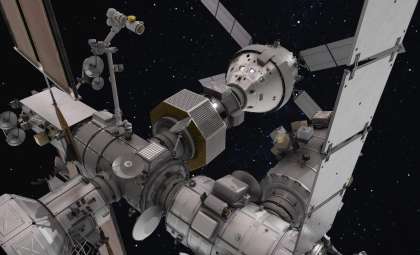
The EDS is anticipated to be a vital technology for NASA’s Artemis program, which seeks to build a permanent human foothold on the Moon and pave the way for voyages to Mars.
Successful mitigation of lunar dust is critical to protecting both equipment and astronauts, addressing one of the primary risks to the Artemis missions’ smooth operation.
“The EDS technology is paving the way for future dust mitigation solutions, supporting NASA’s Artemis campaign and beyond,” NASA officials have noted.
By keeping delicate systems free from dust accumulation, this innovation promises to enhance mission durability and astronaut safety in the Moon’s extreme environment.
- Categories:
- Space






0 comments
Sign in to Comment