
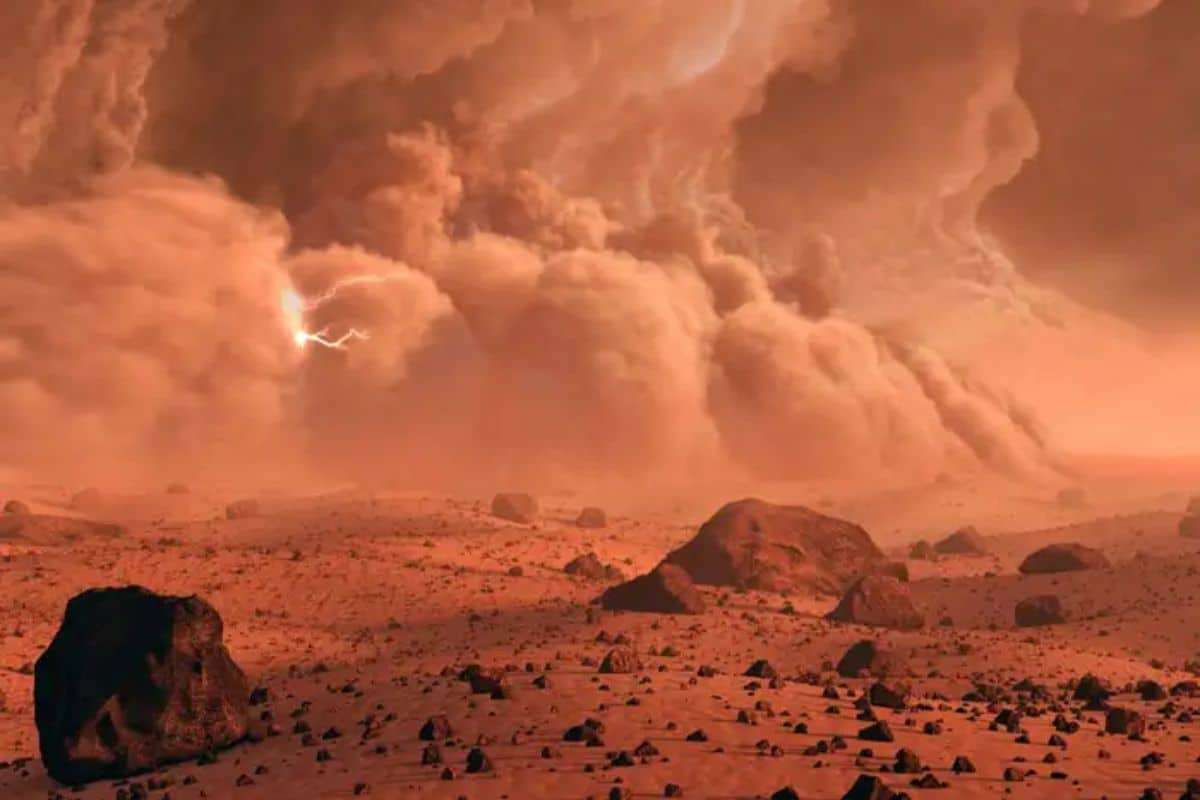
Mars has long fascinated researchers, and recent studies reveal that the planet’s dust devils might pose greater risks than previously understood. These swirling dust storms, familiar from Earth’s deserts, carry electrical charges on Mars that could challenge upcoming missions. In 2021, NASA’s Perseverance rover detected unusual acoustic signals thought to originate from electrical discharges within Martian dust devils.
Understanding Mars' Dust Devils
Similar to Earth’s dust devils, Martian equivalents form when solar heating causes air to rise and rotate, picking up dust particles in their vortex. However, due to Mars' thin atmosphere, these vortexes can last longer and reach higher intensities. While Earth’s dust devils rarely cause harm, their Martian counterparts might generate electric sparks, adding a new hazard dimension to these storms.
Revealing Electromagnetic Phenomena in Martian Dust Storms
In 2021, NASA’s Perseverance rover recorded enigmatic sounds as a dust devil swept over the rover. Scientists soon linked these noises to electromagnetic activity. The investigative team, including Baptiste Chide from the Institute of Research in Astrophysics and Planetology, concluded these signals stemmed from electrostatic discharges.
These bursts occur when the accumulated electric field within the dust devil breaks down, releasing energy akin to terrestrial lightning. This finding suggests that Martian dust devils are not merely dust storms but also electrically charged phenomena.

Mechanics Behind the Electrical Sparks
Electrical charges build up as the dust devil’s vortex lifts and separates particles by size and charge. Larger grains tend to carry a positive charge and settle near the bottom, while finer particles gain negative charges and ascend higher.
This charge separation creates an electric field intense enough to cause sudden discharges, resembling lightning. Mars’s thin atmosphere permits stronger buildup of these charges, leading to more frequent and potent electrical bursts than those seen in Earth’s dust devils.
Implications for Mars Rover Missions
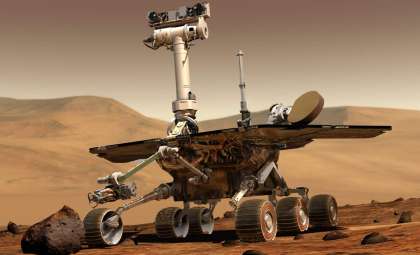
The electrical activity poses a notable risk to robotic explorers like NASA’s Perseverance rover. Sensitive onboard instruments and circuitry could be disrupted or damaged by these unexpected electric shocks.
While rovers are engineered to survive the tough Martian environment, including dust and temperature extremes, the unpredictable nature of these electrical discharges might impact their longevity. Future mission designs will need to factor in this newly recognized threat.
Challenges for Human Exploration
The discovery also raises concerns for future astronauts on Mars. Agencies preparing for human missions must consider how dust devil electrical discharges could affect critical systems such as life support, communications, and energy supply.
Successfully mitigating these risks will be essential to ensure crew safety and maintain operational capabilities on the Martian surface.
- Categories:
- Space






0 comments
Sign in to Comment