
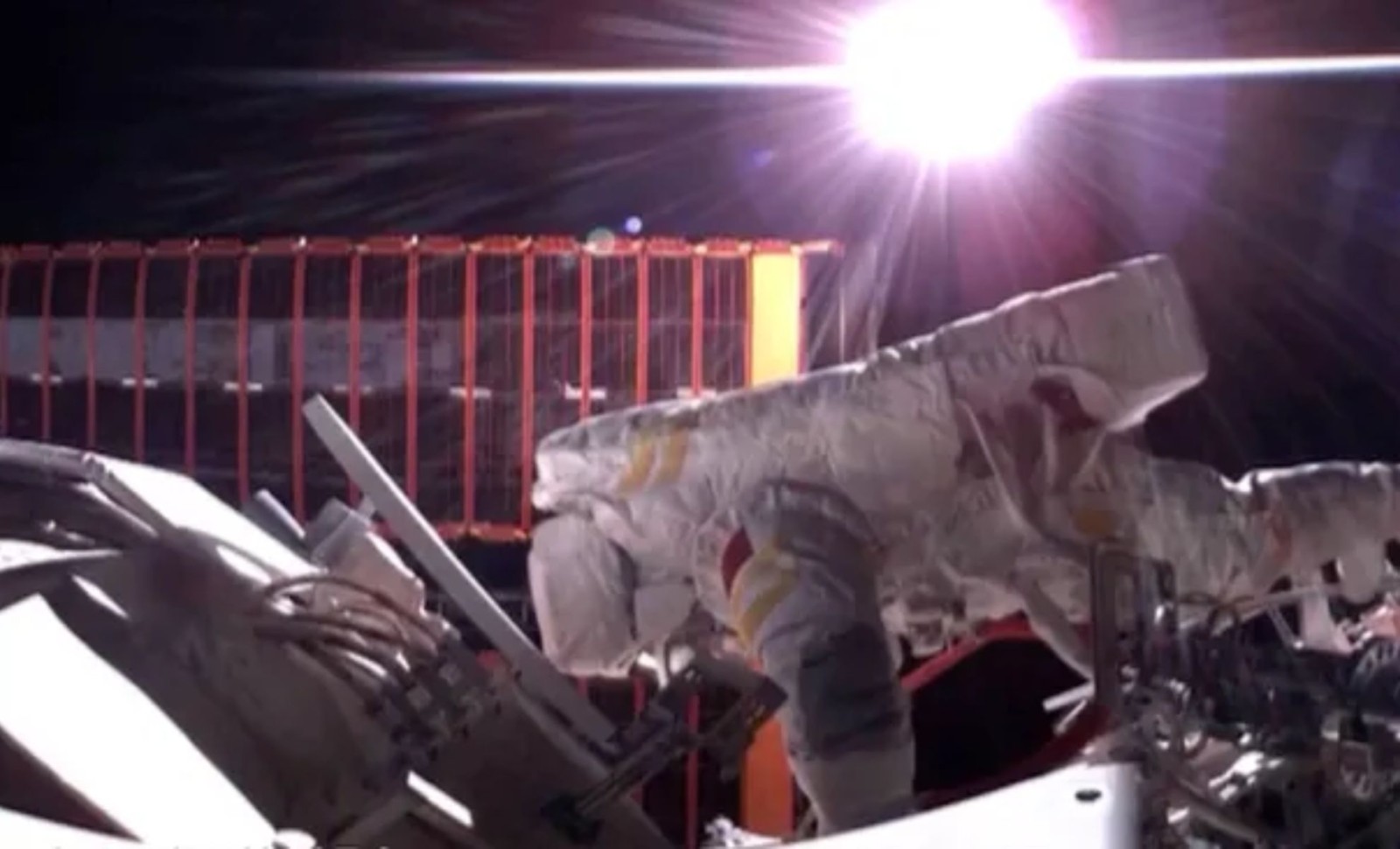
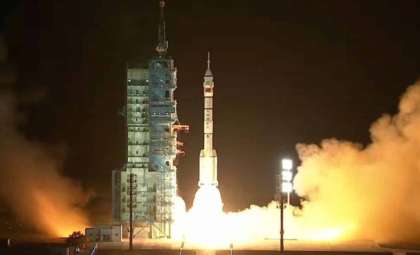
On November 5, 2025, the Shenzhou 20 crew planned to depart from the Tiangong space station, but an unexpected announcement from China’s Manned Spaceflight Agency (CMSA) revealed that their spacecraft had sustained critical damage. A minuscule fragment of space debris, smaller than one millimeter, struck the spacecraft at extreme velocity, causing cracks to form in the vehicle’s viewport.
Due to the severe risk posed by the damage, CMSA officials determined it was unsafe for the astronauts to return inside the compromised vehicle. Consequently, the agency made the exceptional decision to bring the spacecraft back to Earth without any crew aboard.
Significance of the Viewport Damage
As detailed by CMSA, the cracks in the viewport presented a significant hazard, with concerns that they could worsen during the harsh reentry conditions. There was even a risk that the outer layer of the window could detach entirely, causing catastrophic failure of the spacecraft’s structure. To avoid endangering the crew, the decision was made to return Shenzhou 20 uncrewed.

Though often too small to be seen, orbital debris travels at incredible speeds, turning even minute particles into dangerous projectiles. CMSA explained that this tiny shard of debris, measuring under a millimeter, struck hard enough to inflict substantial damage.
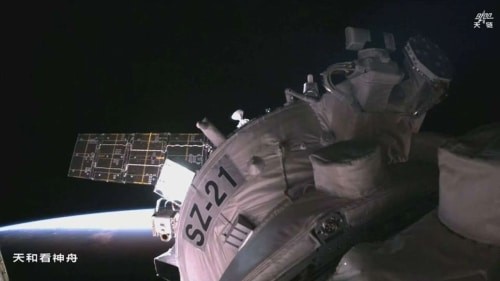
Extended Stay for Tiangong Crew
Due to the setback with Shenzhou 20, astronauts Chen Dong, Chen Zhongrui, and Wang Jie will extend their mission aboard the Tiangong station. Their return was initially scheduled sooner, but they will now remain in orbit for several additional months to complete experiments and station maintenance.
The Shenzhou 21 team will fully carry out their half-year mission, remaining onboard until early 2026. The arrival of the Shenzhou 23 crew in April 2026 will mark the end of this extended journey and allow the current crew to return home safely.
Importance of Improved Space Rescue Operations
According to Space.com, this incident involving Shenzhou 20 highlights the urgent need for dedicated space rescue capabilities. Specialists emphasize that, similar to emergency teams on Earth, such resources are vital for astronaut safety in unforeseen situations.
The CMSA’s choice to return the damaged spacecraft without its crew underscores gaps in current rescue preparedness. Experts concur that with space missions becoming increasingly common, enhancing international cooperation and emergency response plans is essential to safeguard lives beyond Earth.
- Categories:
- Space






0 comments
Sign in to Comment