
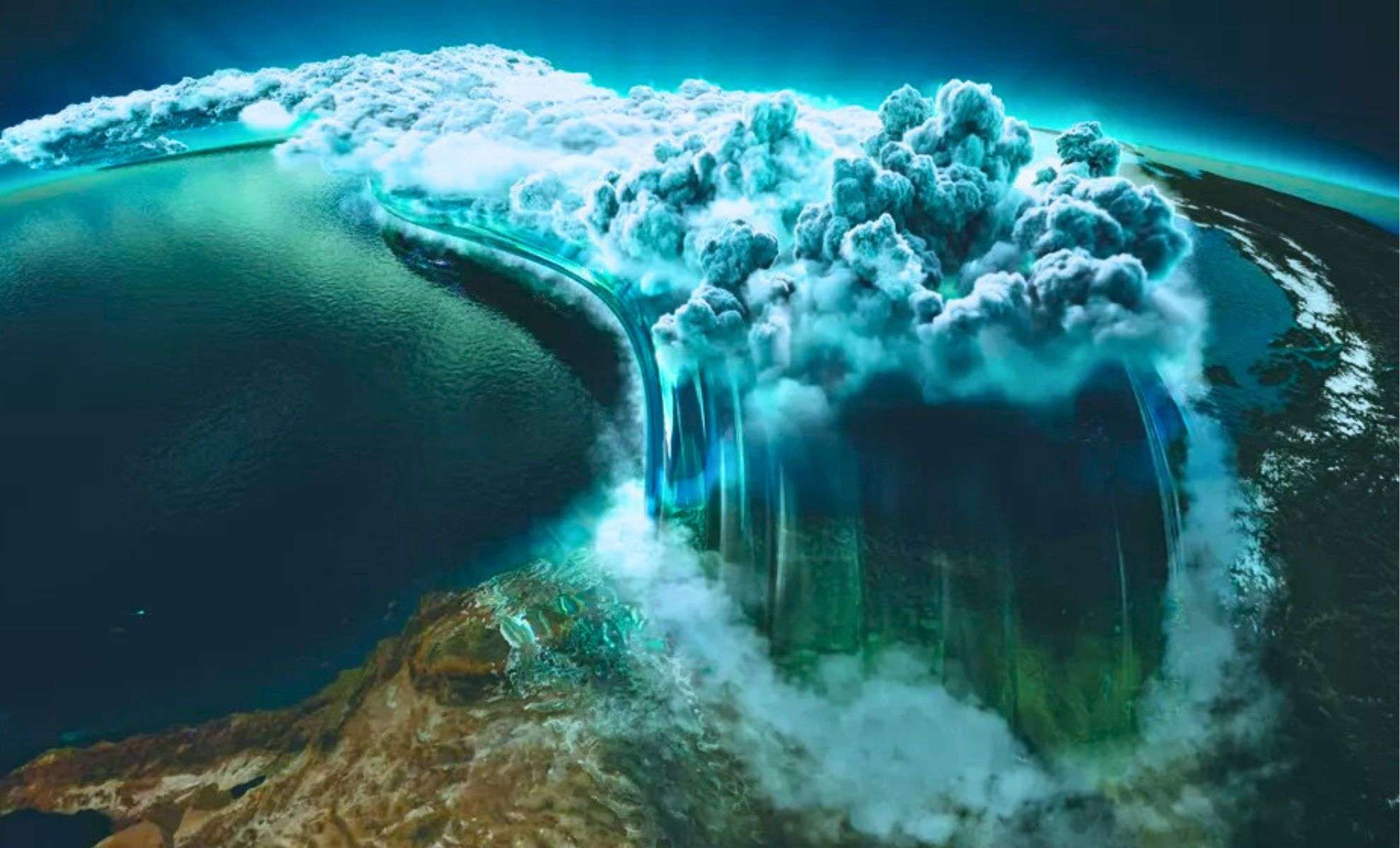
In recent decades, the trajectories of massive streams of airborne moisture, known as atmospheric rivers, have altered significantly. These extensive bands of concentrated water vapor, vital for delivering precipitation to critical farming regions and arid coastlines, are increasingly veering toward higher latitudes. This gradual poleward shift may be accelerating and complicating global climate changes more than previously understood.
Research published in Science Advances reveals that since 1979, atmospheric rivers have moved between six and ten degrees latitude closer to the poles in both hemispheres, especially during boreal winters. Given that places like California depend on these systems for as much as half of their yearly rainfall, even minor fluctuations in atmospheric river patterns can lead to severe droughts or flooding events.
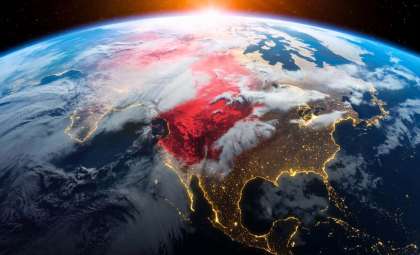
The effects of this migration are unevenly distributed. Some regions are experiencing persistent drying trends, whereas others are witnessing an increase in intense precipitation. Scientists highlight a surge in extreme rainfall occurrences at higher latitudes, notably across Northern Europe and parts of North America, where once-rare storms are becoming more frequent. Simultaneously, subtropical zones historically nourished by these atmospheric rivers are enduring prolonged drought conditions.

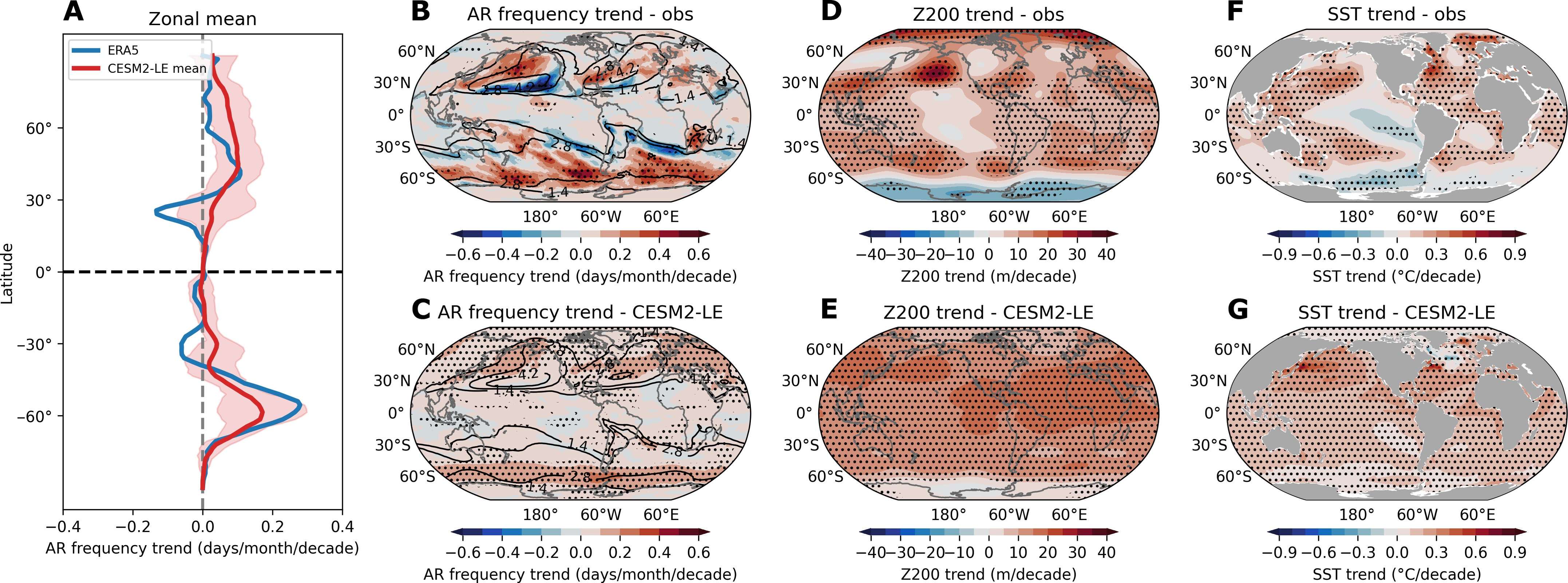
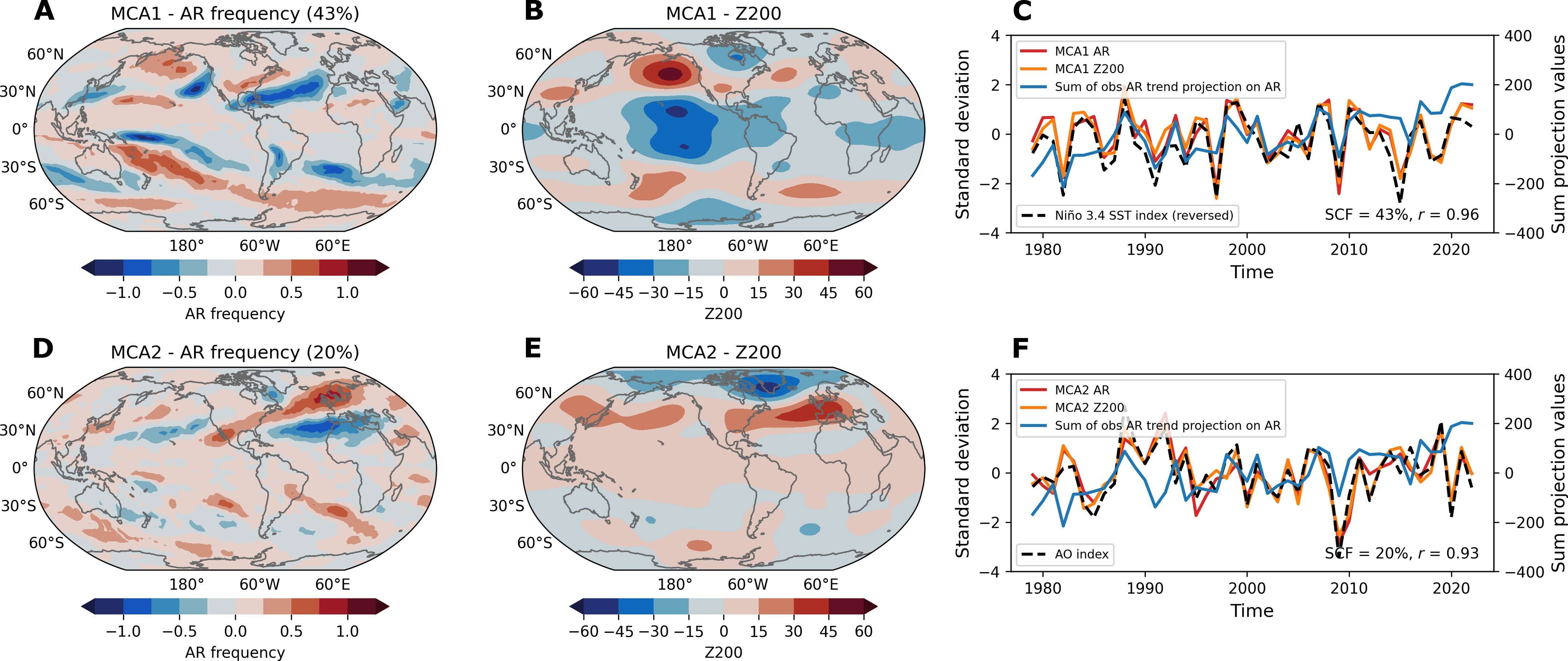
The study attributes this shifting behavior not solely to human-driven warming but also to cooler sea surface temperatures in the eastern tropical Pacific, associated with increased La Niña events. This cooling prompts a sequence of atmospheric adjustments, including changes to jet stream paths and eddy formations, which collectively redirect these moisture streams toward the poles. The result is a realignment of rainfall zones, carrying significant consequences for ecosystems, agriculture, and freshwater availability globally.
The Invisible Drivers Behind Weather Patterns
Defined in the 1990s, atmospheric rivers have since been recognized as essential components of Earth's water cycle. Though unseen by the naked eye, they transport nearly 90% of the water vapor from tropical regions toward mid-latitudes. Upon landing, often against mountainous coastal terrain, they unleash large volumes of precipitation rapidly, sometimes causing heavy rain and snowstorms.
Atmospheric rivers vary in intensity. The strongest, categorized as “AR5 events” on a five-level scale, can carry volumes of water comparable to that of the Amazon River—but in gaseous form. These powerful occurrences have been responsible for flooding urban areas worldwide, deepening valleys, and replenishing critical snowpacks. However, their poleward movement is reshaping entire weather systems, sometimes in unpredictable ways.
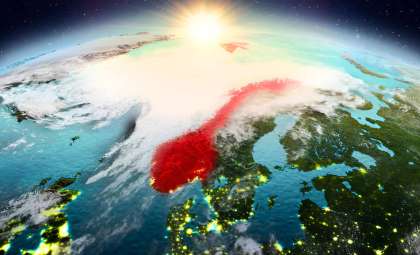
Regions such as Alaska and Scandinavia are now seeing increased activity from atmospheric rivers, which could hasten the melting of glaciers and thawing of permafrost. Conversely, areas like Southern California and Mediterranean nations are experiencing reduced rainfall from these systems, raising alarms over water shortages, crop impacts, and depleting groundwater reserves.
Rain Falling in New Places
This redistribution of atmospheric rivers extends beyond meteorological consequences. Regions now receiving more frequent or intense atmospheric river events may find existing infrastructure inadequate. Flood barriers, drainage networks, and transportation systems, all designed based on historical precipitation norms, face increasing failure risks. For example, the 2021 floods in British Columbia connected to atmospheric river surges caused damage exceeding $9 billion, disrupting supply chains and displacing many residents.
Moreover, these changes affect carbon cycling because ecosystems like rainforests and wetlands rely on stable precipitation to maintain carbon-absorbing plant life. Extended droughts impair this ability, potentially weakening critical global carbon sinks. Scientists warn that diminished atmospheric river activity in vulnerable regions, such as the Sahel or southern Amazon, may indirectly reduce the planet’s capacity to sequester CO₂.
The oceans are also responding to these shifts. Altered deposition patterns of atmospheric river moisture influence sea surface temperature and salinity, subtly modifying major ocean currents. These currents play a pivotal part in regulating global climate and extreme weather events. Recent findings from a NOAA report indicate these oceanic changes are already impacting marine ecosystems and fisheries in the North Pacific.
Distinguishing Natural Patterns from Climate Trends
The core of this study, led by atmospheric scientists Zhe Li and Qinghua Ding at the University of California, Santa Barbara, suggests that the poleward shift arises from a combination of natural climate variability—notably ENSO (El Niño-Southern Oscillation) cycles and Pacific Decadal Oscillations—and human-driven warming. The team noted that many climate models undervalue these natural influences, failing to replicate the observed adjustments unless real-world tropical sea surface temperatures are accurately incorporated.
To investigate, the researchers conducted 40 climate simulations using the CESM2 model, altering only the tropical Pacific temperature data inputs. Only simulations reflecting the observed cooling there successfully reproduced the global atmospheric river shift. This emphasizes the critical role of interactions between tropical and extratropical climates and reveals the limitations of some current climate models when key ocean feedbacks are absent.
- Categories:
- Science







0 comments
Sign in to Comment