
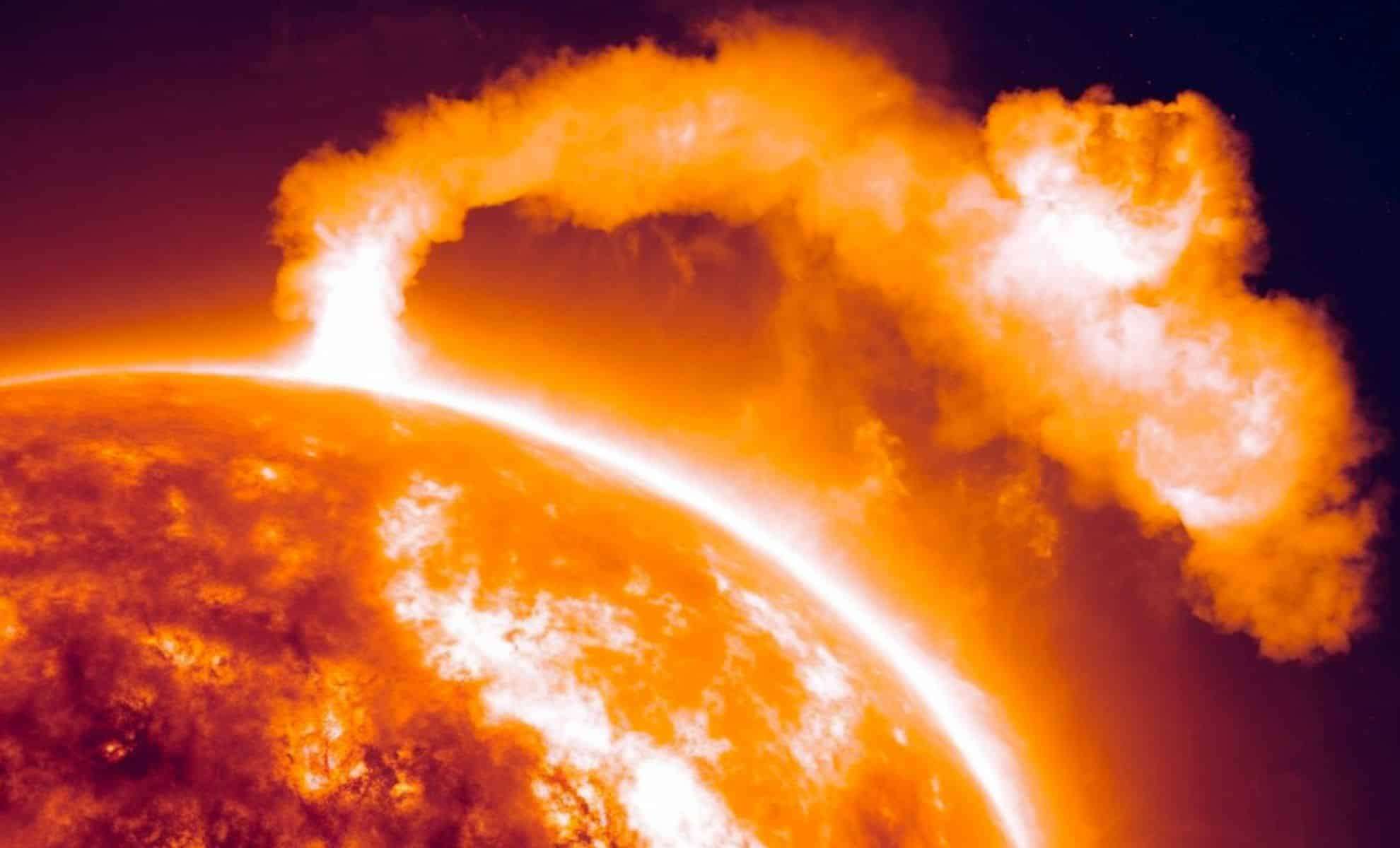
The growing reliance on interconnected digital systems has intensified the risks associated with solar storms. Worldwide infrastructure, which supports instantaneous communications, financial transactions, and international supply chains, faces potential collapse. A failure originating in one country might disrupt internet services worldwide, disrupt banking operations, and impede the delivery of vital goods such as medicines and food.
Regions with outdated infrastructure, notably in parts of Europe and Asia, are especially at risk. These older systems frequently lack modern protective mechanisms against geomagnetic effects, increasing the chances of severe and extended damage.
Vulnerability of Electrical Grids
Electrical grids serve as the foundation of daily life but are alarmingly susceptible to geomagnetic storms. The extensive wiring in these networks can channel geomagnetic currents triggered by solar disturbances. Key components, such as transformers, risk overheating and malfunction.

While repairing a single transformer might take several weeks, a major event could destroy thousands simultaneously. This damage would overwhelm manufacturing and distribution systems, potentially delaying full recovery by months or even years.
Many energy providers prioritize affordability over durability, leaving infrastructure exposed. A substantial solar storm could leave millions without electricity, disrupt water pumping systems, and immobilize transport services reliant on power.
Satellites: The Quiet Vulnerability
Satellites play an essential role in modern society, facilitating everything from GPS to global banking transactions. However, they remain fragile during intense solar activity. Energetic particles from solar flares can damage satellite electronics, cause signal interference, or even alter orbits.
The 2022 Starlink incident highlighted this hazard. A geomagnetic storm increased atmospheric resistance, leading to the destruction of 40 recently deployed satellites. Disruptions of this nature could critically impair global positioning, weather predictions, and satellite-based internet connectivity.
Industries dependent on satellites, including aviation and shipping, could face considerable operational and safety challenges if navigation systems fail. Interruptions might complicate flight paths or necessitate grounding entire fleets.
Lessons from the Past: Are We Better Prepared?
The historic Carrington Event in 1859 illustrated the devastating potential of solar storms. During the event, telegraph equipment sparked and caught fire, despite the era’s primitive technology compared to today’s interconnected world.
More recently, in 1989, a moderate geomagnetic storm caused the Quebec power outage, cutting electricity to millions for over nine hours. This incident raised awareness but failed to prompt widespread infrastructure upgrades globally.
Monitoring Efforts by Global Agencies
Institutions like NASA, NOAA, and the European Space Agency (ESA) continuously observe solar phenomena and forecast geomagnetic disturbances. Tools including the Solar and Heliospheric Observatory (SOHO) and the Parker Solar Probe deliver vital early warnings.
Yet, prediction alone is insufficient. Experts stress that coordinated international strategies and protocols are crucial. There is growing support for establishing a dedicated global organization focused on geomagnetic storm readiness, comparable to the World Health Organization (WHO) in managing health crises.
Urgency for Preparedness and Resilience
As solar activity escalates during the current cycle, the threat of severe geomagnetic storms becomes more pressing. Increasing dependence on advanced technologies means the fallout from such events could be catastrophic.
The imperative is clear: investment in resilient infrastructure is essential. This includes modernizing power grids, reinforcing satellite capabilities, and enhancing global collaboration. Immediate action can significantly lessen the impact of future solar storms.
While solar behavior remains inherently unpredictable, humanity’s response does not have to be. Strategic preparation is key to protecting our technology-reliant civilization.
This piece is based on a press release from the River Reporter.
- Categories:
- Science










0 comments
Sign in to Comment