
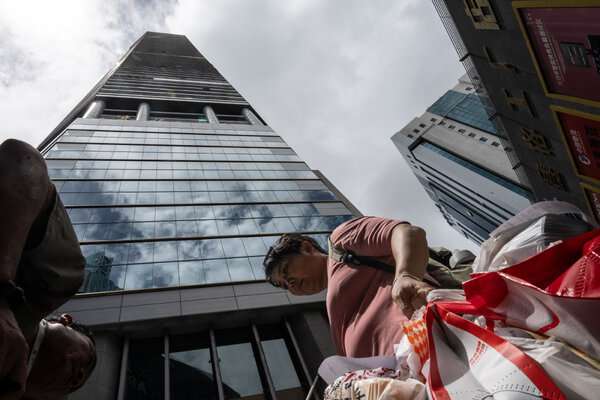
Li Linxing, a young man carrying insulated containers on his back, gazes upward at the towering skyscraper. Unlike a climber or window cleaner, Li works as a delivery courier in Shenzhen, China’s booming southern metropolis. His job: to transport hot meals swiftly to residents perched on floors as high as the 80th, racing against time and gravity in an urban vertical labyrinth.
Within China’s sprawling megacities, a unique occupation has sprung up alongside soaring skylines. These couriers specialize in navigating the final challenge of food delivery—not the chaotic streets below but the complex network of elevators and hallways inside the world’s tallest residential buildings. Their role is a human workaround to the logistical difficulties posed by architectural giants reaching skyward.
The extent of vertical habitation is impressive. Almost half of all skyscrapers taller than 150 meters worldwide are located in China. Shenzhen, once a modest fishing village, now boasts more than 200 such towers. These structures serve as self-contained communities with thousands of residents who rely heavily on instant delivery services for their daily needs. However, this system encounters major hurdles once drivers reach the building lobby, confronted with multiple elevator banks servicing hundreds of residences.

The core issue is an unexpected logistical snarl. Delivery personnel working for platforms like Meituan or Ele.me may handle several orders in one skyscraper. Yet, maneuvering through convoluted floor layouts, waiting for elevators that stop only on select floors, and walking long, uniform corridors can extend delivery times to 30–40 minutes per order.
This time delay directly impacts earnings. Since couriers’ pay is dependent on completing deliveries quickly, a single inefficient run in such a building can drastically reduce their income for the entire shift.
Introducing the Vertical Delivery Specialist
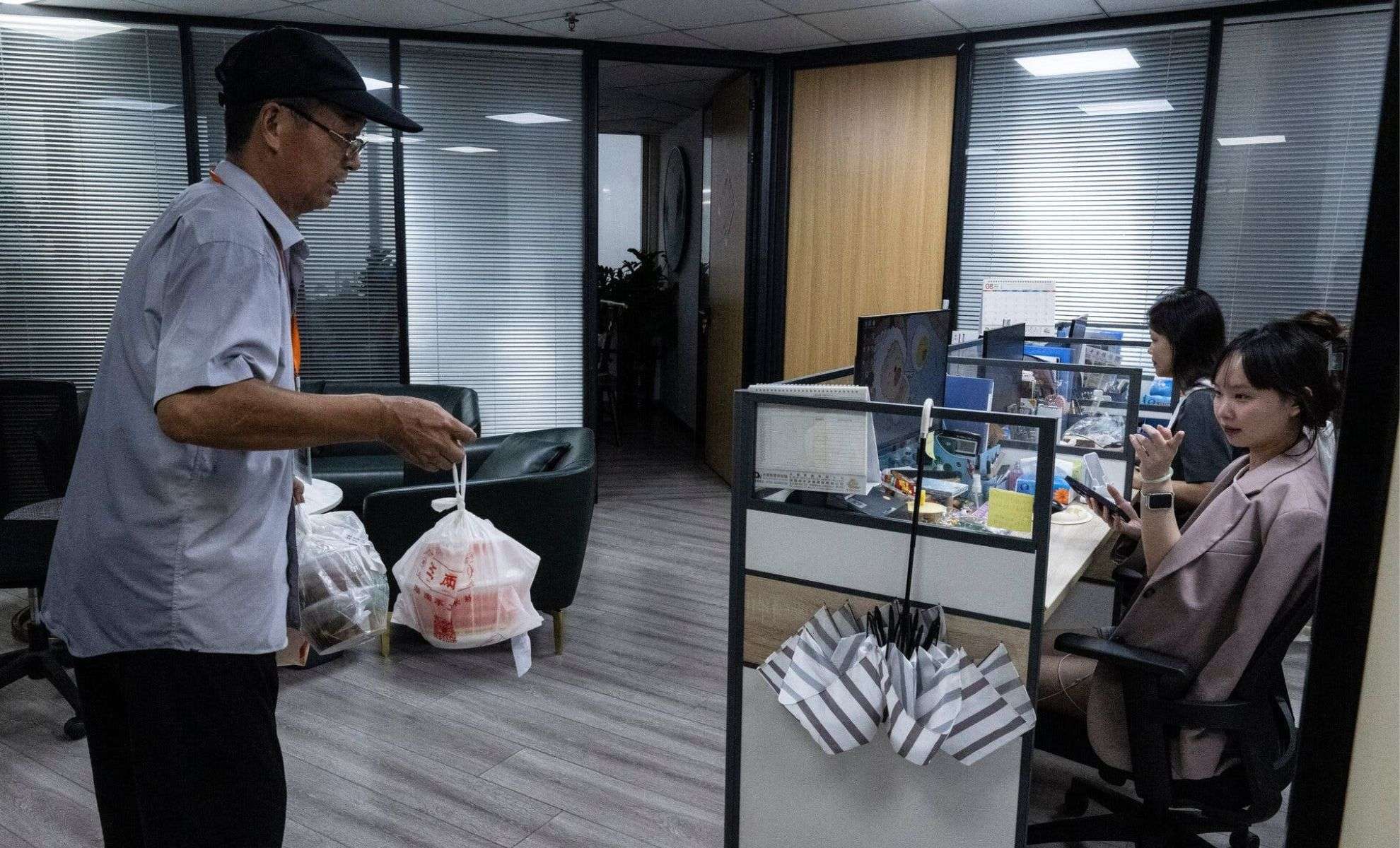
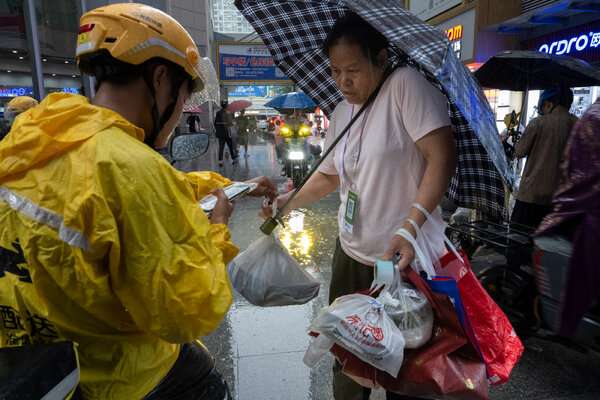
This challenge has given rise to a new layer of logistics professionals akin to Li. For a small fee, original delivery drivers hand off their parcels to these specialists at the building entrance. Leveraging intimate knowledge of elevator schedules, fastest routes, and effective delivery sequences, they handle the time-consuming last leg of the journey. Acting like unseen connectors within the system, they are vital to keeping pace in an urban environment bursting at the seams. This underground role highlights how gig workers adapt to make the system function despite lacking formal support.
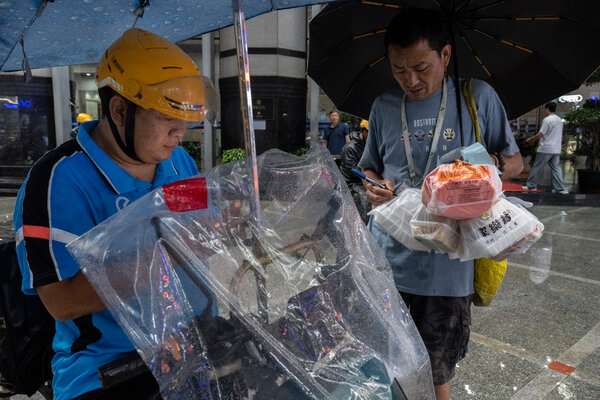
The rise of these specialists sheds light on the enormous physical and economic pressures faced by China’s approximately 70 million delivery personnel. Backbone to a multibillion-dollar digital convenience industry, many of these workers operate on narrow margins. The vertical complexities of skyscraper deliveries intensify their challenges, demanding a blend of endurance and ingenuity.
Urban Design vs. Daily Realities
This innovation also reveals tensions between rapid urban growth and everyday usability. Designers and planners pursuing maximum density and impressive skylines often create towers that function poorly for the service workers supporting them. These buildings frequently fail to accommodate the operational flow required by thousands of deliveries and maintenance tasks.
A University of Oxford study on sustainable city planning highlights how such inefficiencies can carry hidden social and economic costs that undermine urban benefits.

Consequently, an unofficial workforce has emerged to fill the gap left by market forces and developers’ oversights. Their persistence underscores that even in highly digitized societies, the "last mile" of delivery—here, the "last hundred floors"—remains reliant on human effort.
This situation highlights a global urban challenge: as cities grow vertically, the infrastructure to support daily necessities like deliveries and mail must be intentionally designed rather than retrofitted. The Council on Tall Buildings and Urban Habitat acknowledges that operational logistics in supertall buildings represent an underinvestigated frontier.
The Hidden Backbone of Gig Delivery
Although there is no official data tracking these vertical delivery roles, journalists and researchers have chronicled their vital contribution. A detailed New York Times investigation offered an exclusive view into how these specialized workers have become indispensable parts of the delivery system in China’s tallest urban environments, bringing efficiency to otherwise insurmountable challenges.
The saga of these vertical couriers mirrors the wider gig economy: flexible yet fragile. Confronted with systemic obstacles, workers devise alternative solutions, craft new roles, and carve specialized pathways. They are the unseen force guaranteeing that a warm meal can reach consumers high above ground, epitomizing human resilience amid towering constructions of concrete and steel.
- Categories:
- News









0 comments
Sign in to Comment